

SHOP SHEIN'S EXCLUSIVE SUMMER 2026 COLLECTION
Drop into SHEIN's immersive summer pop-up, which transforms the iconic former ZARA storefront on Queen West into a full fashion playground for a few days only. Browse the exclusive Summer 2026 collection in a space designed to feel more like an experience than a shopping trip, with plenty of photo-worthy moments built in throughout. It's a breezy, no-pressure way to spend an afternoon on one of Toronto's best retail strips.

DOORS OPEN "A Glance into The Heavens' at Humber Valley United Church
Step inside Humber Valley United Church and prepare to have your breath taken away by Eric Wesselow's monumental stained glass installation — nine windows and a two-tonne chancel screen exploding with contemporary colour and form. Doors Open makes this Etobicoke hidden gem accessible to everyone, with guided tours, afternoon concerts, and even Zumba demonstrations to keep the energy lively. It's a rare chance to experience serious art in a completely welcoming, community-spirited setting.

BANG YOUR HEAD: Hair Metal & Retro Rock Video Dance Party - NO COVER
Dust off your spandex and tease your hair to the heavens — Bang Your Head is the unabashedly fun hair metal and retro rock video dance party Toronto didn't know it needed. DJ Lazarus and Living On Video take over Ground Control with a wall-to-wall soundtrack of Mötley Crüe, Poison, Twisted Sister, and all the arena anthems that defined an era. No cover, no apologies, just pure ridiculous joy starting at 11PM.

2nd World Congress and Expo on Optics, Photonics & Laser Technology
Worth noting — this isn't a Toronto after-work listing. The 2nd World Congress on Optics, Photonics and Laser Technology is an international expo held in Seoul, South Korea in November 2026. It's a fascinating world for science and tech enthusiasts, but it's not something you can pop into after leaving the office on a Tuesday. We'll flag relevant Toronto-based tech and science events as they come up.

MAGNOLIA IV: THE FASHION GALA
Dress up and settle in for one of Toronto's most theatrical evenings of the year. Magnolia IV brings together a seated runway show, fine dining, and live entertainment under one roof at the beloved Lula Lounge — think fashion week energy with the warmth of a dinner party. Now in its fourth edition, this curated night has built a loyal following for good reason: it's the kind of event that feels genuinely special, blending local designers, great food, and a crowd that actually wants to be there.
 Mon, Nov 9 · 9:00 a.m.
Unhacked 360 Germany: FutureSec Summit
📅 Mon, Nov 9 · 9:00 a.m.
Not quite what we're looking for here — Unhacked 360 Germany: FutureSec Summit is a two-day cybersecurity and AI conference happening in Berlin, Germany in November 2026. It sounds like an exciting space for tech and security professionals, but it's a transatlantic trip away from your Toronto commute home. We'll keep hunting for local cybersecurity meetups and AI evenings closer to home.

Cain Culto
Kick off Pride 2026 with a headline show from Cain Culto at one of Toronto's most beloved queer venues. Buddies in Bad Times Theatre and Buddies Nightlife are joining forces for a maximalist celebration of queerness — expect high energy, bold performances, and a crowd that's fully committed to the moment. Doors open at 7:30PM with the show starting at 9PM; grab early bird tickets before they're gone.

Immersion Festival
Settle into the Betty Oliphant Theatre for Immersion Festival, one of the most thoughtfully programmed celebrations of Canadian dance and performance culture in the city. Three full-scale stage productions sit alongside a dozen hands-on workshops and a dance education roundtable — meaning you can watch world-class artists one hour and move alongside them the next. Whether you're a seasoned practitioner or a first-timer, this is the kind of arts event that reminds you why live performance matters.

AiRTIFICIAL VISIONS
Wander through a world where art and artificial intelligence blur together at AiRTIFICIAL VISIONS, a breathtaking immersive exhibition at Illuminarium Toronto in the Distillery District. Presented as part of the Lavazza IncluCity Festival by ICFF, this large-scale experience gathers leading international AI artists to reimagine the human figure in the digital age. It's the kind of evening that shifts your perspective — visually arresting, intellectually rich, and worth lingering in.

CTRL ALT BASS - Volume 8
Dive into Toronto's thriving underground bass scene at Ctrl Alt Bass Volume 8, a monthly ritual that's earned its devoted following one low-end drop at a time. This special Live-to-Air edition broadcasts straight to the UK via Rhythm Rida Radio, turning the storied basement of 333 Yonge into a global dancefloor. Festival-grade sound, serious selectors, and a crowd that comes to actually listen — this is rave culture with roots.

50/20 Exhbition
Discover five decades of Canadian theatre through the lens of acclaimed photojournalist Racheal McCaig at this striking exhibition housed inside the legendary El Mocambo. Part of the 2026 CONTACT Photography Festival, the show celebrates the 50th anniversary of Canadian Actors' Equity Association with intimate portraits of icons like Martin Short, Catherine O'Hara, and Eugene Levy. It's a rare, moving look backstage at the talent that shaped this country's cultural identity.

DRAKE ICE MAN LISTENING PARTY FT 4 AM LAST CALL AT FOX ON JOHN
Celebrate Toronto's favourite son at this high-energy Drake listening party taking over Fox on John deep into the night. Expect back-to-back anthems, throwback singalongs, and a crowd that knows every word — fuelled by $10 doubles and late-night bites until last call at 4 AM. Steps from the CN Tower, this is downtown Toronto nightlife doing what it does best: loud, proud, and unapologetically fun.

Explore NB Invites You 52 Feet Above the City on the Fundy Belle
Step outside and experience something genuinely unlike anything else happening in the city this spring — a towering 52.5-foot boat installation rising above Front and Spadina, mimicking the legendary tides of the Bay of Fundy. Running May 21–24, 2026, Explore NB's Fundy Belle is equal parts spectacle and education, a striking reminder of the raw, tidal power shaping Canada's East Coast. It's a perfect after-work detour that'll have you reaching for your camera.

Central Connection 33rd Annual Art Show
Wander into Withrow Park Clubhouse for the 33rd edition of Central Connection's beloved annual art show — a neighbourhood tradition that keeps getting better with age. This longstanding Toronto art collective throws open its doors to everyone, making it a genuinely welcoming place to discover new local work, chat with artists, and feel that particular warmth of a community that's been showing up for each other for over three decades. Come curious, leave inspired.

Gussapolooza Music Festival
Pack your tent and head north for Gussapolooza, a beloved independent music and arts festival now in its fifth year just outside the city in Cookstown. Four stages of Canadian rock, folk, country, and alt with 40-plus artists make for a weekend that genuinely earns its reputation — and the new WonderGround arts zone, wellness programming, and Kids Zone mean there's something for everyone you'd want to bring along. Consider this your warm-weather escape done right.

Rub-A-Dub Session @ BSMT 254 - FREE All Night!
Spend your Friday night deep in the basement with some of Toronto's finest selectors spinning strictly vinyl — reggae, dancehall, and dub the way it was always meant to be heard, on a proper sound system. BSMT 254 is one of those rare rooms where the music genuinely takes over, and with no cover all night long, there's zero reason not to show up. Doors open at 9:30pm and the vibes run late, so come ready to move, mingle, and let the bass do its thing.

2026 Toronto Jewish Film Festival
Immerse yourself in one of Toronto's most beloved cultural traditions at the 34th Toronto Jewish Film Festival, running June 4–14, 2026. Spanning 85 films from 22 countries — documentary, narrative, and archival — this is the kind of festival that sparks real conversation long after the credits roll. Whether you catch a screening in person or tune in from anywhere in Ontario, expect thought-provoking storytelling that wrestles with history, identity, and what it means to belong.

High School Crush
Dust off your inner teenager and head to The Painted Lady for High School Crush, a live cover night devoted entirely to the anthems that defined your awkward, glorious youth. From early-2000s pop-punk to 90s alt-rock staples, this band commits fully to the nostalgia trip — and the crowd always sings every word. Grab a drink, find your people, and spend a Tuesday night feeling seventeen again on one of Ossington's most beloved neighbourhood stages.

Neurology Conference 2026 PubScholars Brain Health Summit
Note: this is a virtual and Boston-based international conference, not a local Toronto event. The PubScholars Brain Health Summit is a hybrid neurology gathering for clinicians, researchers, and neuroscience enthusiasts keen to explore breakthroughs in neurotechnology and neurological disease. Toronto-based attendees can join remotely — making it a worthwhile option if you're looking to invest an evening in serious professional development from your home or office.

4th Global Summit on Nursing Education and Healthcare 2026
Note: this event takes place in Tokyo, Japan, and is not a local Toronto activity. The 4th Global Summit on Nursing Education and Healthcare 2026 is an international professional conference bringing together nurses, researchers, and healthcare academics to explore innovations shaping the future of care. If you're a Toronto-based healthcare professional planning to attend, it's worth connecting with local colleagues before you go.

Take Me Away
Wander into Leslie Grove Gallery and let Take Me Away do exactly what the title promises. This exhibition in abstract realism plays with the space between what's real and what's felt — bold colour fields and expressive brushwork pull you somewhere just beyond the everyday. It's the kind of show that rewards slowing down, the perfect after-work reset when your brain needs beauty more than noise.

Taste of Little Jamaica Launches This Summer: Two Beloved Caribbean Food Festivals Unite to Revitalize Little Jamaica
Celebrate the vibrant spirit of Little Jamaica at this landmark outdoor food festival, where two beloved community institutions — Toronto Patty Fest and Taste The Caribbean — join forces for one unforgettable summer weekend. Expect jerk everything, golden patties, rum punch, and live music spilling down Eglinton West as the neighbourhood reclaims its cultural heartbeat. Whether you're a longtime local or a first-timer curious about the community, this is one of the most meaningful and delicious ways to spend a summer evening in Toronto right now.

GETAWAY feat. Jason Palma & Iced Misto with Guest DJ Alister Johnson
Lose yourself on the dancefloor at GETAWAY, the bimonthly basement party that brings together the warmest, most eclectic mix of soul, funk, disco, house, and afrobeats in the city. Resident selectors Jason Palma and Iced Misto have an uncanny chemistry, layering grooves that keep the room moving and grinning in equal measure — and a guest set from DJ Alister Johnson only sweetens the deal. Head to BSMT 254 for a night that feels less like a club and more like the best house party you've ever been invited to.

2nd International Conference on Plant Science and Molecular Biology 2026
This listing appears to be for an international academic conference taking place in Paris, France — not a Toronto after-work activity. It does not fit the AfterWComes platform's local Toronto focus and may have been submitted in error. Consider reaching out to the organizer to verify the listing details before publishing.

Salsa Saturday w Yani Borrell, DJ Van Gogh & Dance to Live
Spend your Saturday night at Lula Lounge, Toronto's beating heart of Latin culture, where salsa flows as freely as the cocktails. Kick things off with dinner and drinks before joining Dance to Live's beginner-friendly salsa lesson — no partner required, no excuses. By the time DJ Van Gogh and the live band take over the floor, you'll already know enough moves to keep the night going until last call.

Unearthing Vindolanda: Footwear from the Edge of the Roman Empire
Step into the ancient world at the Bata Shoe Museum, where over 100 extraordinary artifacts from Vindolanda — a Roman fort just south of Hadrian's Wall — are on view in North America for the very first time. Marvel at remarkably preserved footwear and leather goods that tell intimate, human stories from the edges of a vast empire. It's a rare and quietly thrilling exhibition that proves even the humblest objects can carry centuries of history.

Mermaid Ball - TRENCH EDITION
Dive headfirst into the deep end — the Drake Underground is being transformed into an eerie, otherworldly coral reef for the eighth year of the legendary Mermaid Ball. This year's Trench Edition promises the kind of immersive, theatrical atmosphere that blurs the line between costume party and full-blown art installation, courtesy of the wildly talented Zirco Fish. Dress to haunt the depths and expect dancing, spectacle, and the sort of night that genuinely feels like it existed only in a fever dream.

Hanji: A Thousand Years of Korean Paper Art - Hanji Meets Canada
Discover a material that has shaped Korean culture for over a thousand years — and is now making its Canadian debut. This landmark touring exhibition brings together seven accomplished Korean artists whose work spans the full spectrum of Hanji paper art, from deeply traditional techniques to striking contemporary expressions. Tucked into the elegant Dignam Gallery on Prince Arthur, it's a quietly transporting experience that rewards slow looking and curious minds alike.

EXHIBITION: "Et sa pulpe!" by Jean-Pierre Mot
Discover something unexpected at Le Labo's intimate gallery space tucked inside 401 Richmond, Toronto's beloved arts hub. Jean-Pierre Mot's exhibition "Et sa pulpe!" rounds out the La Jachère cycle with site-specific work that blurs the line between urban environment and artistic intervention. Drop in Wednesday through Friday or catch a Saturday afternoon session — the relaxed hours make it an easy, enriching detour after work without spending a dime.

Afro-Carib Fest 2026
Now in its 14th year, Afro-Carib Fest is one of the GTA's most joyful summer traditions — and it doesn't cost a thing to attend. Spread across a full weekend at Thomson Memorial Park, the festival brings together electrifying live performances, vibrant dance, Afro-Caribbean cuisine, and local artisans celebrating a rich and diverse cultural heritage. Whether you're a longtime regular or discovering it for the first time, the atmosphere is warm, inclusive, and genuinely infectious.

LOVE IS THE ANSWER
Step into an evening where art and cocktails collide in the best possible way. AnthonyInk's latest collection of hand-cut PhotoPop collages transforms archival materials into bold, layered tributes to pop culture's most rebellious icons — all displayed in the intimate warmth of Charles Puma Art Gallery. Whether you're a seasoned art lover or just looking for a genuinely memorable Tuesday night out, this opening soiree brings the kind of creative energy that makes you want to linger.

Casual Comedy: The Late Show
Wind down the week with genuine laughs at Comedy Bar's beloved Late Show, where the city's sharpest comedic voices take the stage. Callum O'Neill headlines a carefully curated lineup of Toronto's rising and established talent, all held together by the effortlessly warm hosting of local favourite Freddy Jan. It's the kind of low-key, high-quality night out that reminds you why Toronto's live comedy scene punches well above its weight.

Reggaeton Long Weekend Party
Lose yourself in the rhythm at one of King West's most electric Latin nights. PLAYA by Tulum's second floor transforms into a full-on reggaeton playground, drawing a passionate crowd ready to dance until the 4AM last call. Whether you're a seasoned salsa stepper or just here for the heat, this long-weekend party delivers the kind of sweaty, joyful energy that makes Toronto nights feel genuinely alive.

Mothers X Women of the Flame 2
Gather for an elegant evening that honours mothers and trailblazing women at this second annual gala hosted by the Canadian Arab International Foundation. Expect inspiring speakers, live music, and a warm family-friendly atmosphere that blends cultural pride with genuine community celebration. It's a meaningful night out that leaves you feeling connected to something larger than yourself — dressy, heartfelt, and worth every moment.

Chocolate Tequila Launch Party
Toast the long weekend at the VIP launch party for Don Adriano 1950 Chocolate Reposado, a smoky-sweet tequila making its Toronto debut in serious style. Guests are treated to complimentary drinks as the night unfolds with live music, dancing, and the kind of luxurious atmosphere that King West does so well. Whether you're a tequila devotee or just love a beautifully produced evening out, this is a launch party worth marking in your calendar.

Canada Day Rooftop Celebration
Celebrate Canada Day the right way — on the rooftop of one of Toronto's most iconic venues. The Drake Hotel throws open its legendary outdoor space for a full-day party running afternoon through last call, with DJs spinning Top 40, R&B, Hip Hop, House, Latin, and all your favourite 90s and 2000s throwbacks. Expect a lively, dressed-up crowd soaking in the summer energy above Queen West. Must be 19+ with valid ID.

Toronto Contra Dance - Spring Thaw - May 8 and 9
Step into the wonderfully welcoming world of contra dancing for a two-day spring celebration featuring live folk musicians and a top-tier caller to guide you through every swing and do-si-do. No partner or experience needed — the Toronto Contra Dance community is famously inclusive, and first-timers are warmly welcomed with a beginner session before the main dance. It's the kind of joyful, low-ego evening that reminds you how good it feels to move with other humans.

Toronto Mandem Comedy Jam
Pull up a stool and let the world argue it out on stage — the Toronto Mandem Comedy Jam pits comics from across the globe against each other in a hilariously spirited battle for international funny supremacy. Comedy Bar's intimate layout makes every punchline land that much harder, and the diverse lineup means the perspectives are as wide-ranging as the laughs. Whether your money's on the home team or a dark-horse challenger, this is an after-work crowd-pleaser you won't stop quoting on Monday.

Caribana Festival Long Weekend Afterparty
Roll straight from the parade into the after-dark heart of Caribana with this long-weekend afterparty that keeps the festival spirit burning well past midnight. Soca, Dancehall, Afrobeats, and Hip Hop collide on the dancefloor at Tulum, drawing a crowd that's here to celebrate culture, movement, and pure collective joy. It's an essential Toronto summer night — the kind that feels like the whole city exhaled at once and decided to dance.

The Sattalites and DJ Jay NuFunk Reggae Night at Hughs Room Live
Settle into one of Toronto's most beloved listening rooms for a night of roots reggae steeped in real history. The Sattalites have been a cornerstone of this city's Little Jamaica scene since the early '80s, earning JUNO recognition along the way, and an evening at Hugh's Room lets you experience that legacy up close. DJ Jay NuFunk keeps the grooves flowing between sets, making this a warm, community-spirited night that's equal parts concert and celebration.

Diva Dance Party: Dua Lipa Edition
Let loose at Handlebar for a night built entirely around pop perfection and unabashed diva energy. The evening kicks off with a full front-to-back performance of Dua Lipa's Future Nostalgia before exploding into a second set of non-stop pop bangers guaranteed to keep the floor packed. Hosted by Gaby Grice and the Glam Squad, this is the kind of unapologetically fun night out that reminds you exactly why you love going out.

House Music Legend Derrick Carter at Groovin' In The Park Launch Party
Catch a true house music pioneer in an intimate Toronto setting before the Groovin' In The Park series officially takes off. Derrick Carter — a Chicago legend whose influence runs through decades of dance music history — brings his trademark warmth and technical brilliance to Sound Machine for a night rooted in the pure joy of the groove. Come ready to move, because this one will run deep from the first beat to the last.

JKriv, Razor-N-Tape, Brooklyn plus Toronto Hustle, Mr Haze and Jay NuFunk
Let Brooklyn come to you as JKriv — the multi-instrumentalist and Razor-N-Tape co-founder behind some of the most beloved deep disco and soulful house releases of the past decade — brings an extended set to Rhythm Toronto. Booty Call Music and Groovin' in the Park have assembled a killer local supporting cast in Toronto Hustle, Mr. Haze, and Jay NuFunk to keep the energy locked in all night. This is the kind of dancefloor night that reminds you why you moved to the city in the first place.

Proper Launch Party ft The Freestylers and Smalltown DJs
Dive into Toronto's underground electronic scene as PROPER makes its debut with a night purpose-built for serious dancefloor devotees. The Freestylers and Smalltown DJs bring decades of Breaks, House, and Drum & Bass credibility to Wiggle Room's intimate space, setting the tone for what this new production company is all about. If you've been craving a night that feels genuinely fresh and uncompromising, this launch is the one to mark in your calendar.

Experience the SKITTLES POP'd Collection
Step inside a surprisingly delightful pop-up tucked into Union Station, where SKITTLES has transformed a corner of your commute into a bold, colour-saturated immersive experience. The limited-run activation celebrates the new POP'd Collection through playful installations and eye-catching design objects that blur the line between candy and décor. It's a cheerful, low-commitment detour that's worth a few extra minutes before or after work — and yes, there will be snacks.

Doors Open at the Aga Khan Museum
Wander freely through one of Toronto's most architecturally stunning institutions during this beloved annual open weekend. The Aga Khan Museum throws open its doors alongside the surrounding park and Ismaili Centre, offering free guided tours, live musical performances, and hands-on family activities that bring Islamic art and culture to vivid life. It's the rare kind of afternoon that feels both effortlessly leisurely and quietly enriching.
 Thu, Nov 19 · 7:00 p.m.
Salon du Chocolat de Toronto
📅 Thu, Nov 19 · 7:00 p.m.
Indulge in a world-class celebration of chocolate as the legendary Salon du Chocolat makes its long-awaited Toronto debut this November. The Toronto Congress Centre becomes a four-day sensory playground where master chocolatiers, pastry chefs, and cocoa artisans from around the globe gather to dazzle, educate, and absolutely delight. If you've ever considered yourself even a casual chocolate lover, this is the event that will thoroughly upgrade your expectations.

Beaches Arts and Crafts
Wander through one of Toronto's most beloved outdoor markets, set against the leafy backdrop of Kew Gardens on Queen Street East. Over 140 Canadian makers bring their best work — think hand-thrown ceramics, one-of-a-kind jewellery, artisan foods, and beautifully crafted home goods — all free to browse on a summer weekend. It's the kind of afternoon that turns into an unexpected treasure hunt, and you'll almost certainly leave with something you didn't know you needed.

Ink the 6ix Toronto Tattoo Expo 2026
Dive into three days of living, breathing tattoo culture at Ink the 6ix, Toronto's fastest-growing tattoo expo taking over the Enercare Centre this July. Watch world-renowned artists work live, sit in on candid seminars, and explore an art show that proves tattooing is one of the most technically demanding creative disciplines around. Whether you're booked for fresh ink or just there to absorb the energy, it's a genuinely inspiring weekend inside a community that takes its craft seriously.

Tribute to Willie Colon w Son D'Aqui, Baila Boogaloo & DJ Van Gogh!
Lose yourself in the rhythms of salsa at Lula Lounge's electric tribute to Latin music legend Willie Colon — one of Toronto's most beloved nights out for good reason. Arrive early for dinner and drinks, then ease into the evening with a beginner-friendly salsa lesson before the live bands take over and the dance floor heats up. With Son D'Aqui, Baila Boogaloo, and DJ Van Gogh all on the bill, this is the kind of night that turns strangers into dance partners and leaves you grinning on the streetcar home.

TORONTO COIN EXPO - Canada's Coin Show & Auction
Wander through Canada's premier coin and banknote show tucked inside the grand Toronto Reference Library, where over 50 international dealers bring rare currency, medals, and militaria under one roof. Whether you're a seasoned collector chasing a specific find or simply curious about the stories embedded in old coins, the atmosphere is surprisingly welcoming and unhurried. A genuinely niche afternoon out that scratches a very particular itch — and you might just leave with something worth keeping.

Pub Crawl Toronto
Hit the ground running through the Entertainment District on one of Toronto's most celebrated pub crawls, with a TripAdvisor Badge of Excellence to back up the hype. Three buzzing venues, a crowd of fellow adventurers, and enough energy to turn a random Friday into a genuinely great night — this is the kind of evening where you arrive not knowing anyone and leave with a group chat. Ideal for newcomers to the city or anyone craving a no-fuss, high-fun social reset.

Global Late Night with Lexxicon and DJ Uncle Debo
Roll into Lula Lounge after 11 PM and let the global beats take over — this beloved Dundas West institution turns its weekly Friday into a full-on late-night party once the salsa sets wrap up. Lexxicon and DJ Uncle Debo bring the kind of high-energy, genre-crossing programming that keeps the dance floor locked in until the early hours, with a light menu on hand if you need to refuel. Think of it as Toronto's best-kept weekly secret for people who actually like to move.

A Velour Underground Residency - Lou Reed Covers
Step into something wonderfully strange every Tuesday at The Baby G, where Toronto's own Flowers of Hell transform into The Velour Underground for a residency that pays deep, loving homage to Lou Reed's iconic catalogue. Expect two full sets of Velvet Underground material — fan favourites alongside rotating deep cuts — wrapped in an immersive light show that sets the mood just right. Tickets are limited, so grab yours in advance and secure your spot at one of the most atmospheric live music experiences happening in the city right now.
 Thu, Dec 10 · 8:00 a.m.
16th World Gastroenterology, IBD, Hepatology Conference and Exhibition
📅 Thu, Dec 10 · 8:00 a.m.
Note: this event is taking place in Kuala Lumpur, Malaysia — not Toronto — and may not be the right fit for a local after-work listing. The conference gathers international specialists to explore emerging treatments and advances in gastroenterology and hepatology across two focused days of programming. Best suited for medical professionals and researchers looking to connect with a global clinical community.

T-Girl Parties
Head to The Imp for T-Girl Parties, a welcoming and low-key bar night centred around trans women, their friends, and open-minded folks who just want a good evening out. The vibe is relaxed and social, with spontaneous stage moments popping up throughout the night to keep things lively. There's no dress code and a genuine sense of community here — the kind of night where you show up not knowing anyone and leave with new people you actually want to see again.

Rednersville Road Art Tour
Venture out along the scenic stretch of County Road 3 in Prince Edward County for a self-guided open studio tour that feels like the most inspiring Sunday drive you've ever taken. Local artists open their doors over Labour Day weekend, inviting you to wander, browse original works, and chat directly with the makers behind them. It's an unhurried, soul-refreshing way to discover art outside the gallery walls.

Visible Labour - Group Show Featuring Five Women Artists
Step into Leslie Grove Gallery for Visible Labour, a thoughtful group exhibition from five women artists who have been sharing, challenging, and inspiring one another's practices in an ongoing creative dialogue. The show spans a rich range of techniques and mediums, united by a spirit of mutual generosity and artistic rigour. It's the kind of exhibition that rewards slow looking — come ready to be moved by work that clearly means something to the people who made it.

Canada Literature Festival 2026
Spend an afternoon immersed in the kind of conversations that make you feel genuinely smarter and more connected to the world. The Canada Literature Festival brings together novelists, poets, scholars, and storytellers from across the globe to dig into how literature shapes culture, memory, and human understanding. Whether you're a devoted reader or just curious about big ideas, this is a rare chance to brush shoulders with some extraordinary voices in an open, celebratory atmosphere.

#30: We Might Need Therapy @ Comedy Bar
Let loose on a weeknight with one of Toronto's most reliably unhinged comedy lineups at the beloved Comedy Bar. We Might Need Therapy delivers exactly what it promises — sharp, dark, delightfully weird stand-up from comics who've earned their stripes on Netflix, Just For Laughs, and beyond. It sells out regularly for good reason, so grab your ticket early, find a seat close to the stage, and prepare to laugh at things you probably shouldn't.

Spotlight at The Second City
Make your way down to The Second City's Theatre '73 for Spotlight, the monthly showcase that puts Toronto's freshest sketch comedy talent front and centre. This edition features solo comedian Janelle McGuinness and the sharp trio Debit-Cash-Or-Credit — two very different acts, one reliably electric evening. Hosted by the warm and witty Taylor Hreljac and Gabe Meacher, it's the kind of show that reminds you just how much comedic talent is quietly brewing in this city.

Breaking Sound Photography Exhibition
Step into a coffee-and-vinyl shop turned gallery for one of the more quietly electric exhibitions running through the CONTACT Photography Festival this year. Toronto artist Rhandy Adolphe translates the energy of dance and DJ culture into stunning visual sound waves — images that practically pulse off the wall. Grab a coffee, flip through some records, and let the work wash over you; it's the kind of neighbourhood art moment that reminds you why you love this city.

World Conference on Cardiology and Cardiovascular Research
Skip this one — it's actually taking place in Osaka, Japan, and isn't a Toronto after-work activity. The World Conference on Cardiology and Cardiovascular Research is a major international medical gathering bringing together cardiovascular professionals from across the globe for three days of research, innovation, and collaboration. If you're a clinician or researcher in the field, it's worth bookmarking for 2026 — just plan that flight well in advance.

TANGO x TANGO - May Tablao 2026 "An Encounter Between Argentine Tango and Flamenco"
Discover the passionate overlap between two of the world's most expressive dance traditions at this intimate tablao-style evening on Queen West. Hosted at the iconic Rivoli, TANGO x TANGO pairs the sultry improvisation of Argentine Tango with the fire and footwork of Flamenco — a collision rooted in shared histories of immigrant communities and raw emotion. Whether you're a dance devotee or simply curious, this is a rare, transportive night out that feels nothing like a typical Tuesday.

Carbon Confessions Toronto
Step into one of the most thought-provoking exhibitions hitting Toronto this year — Carbon Confessions, a travelling showcase by acclaimed Dutch architecture firm MVRDV, asks hard questions about how the built world contributes to climate change and what the future of construction could look like. Nestled inside the creative hub at 401 Richmond, Urbanspace Gallery is the perfect setting to absorb big ideas after work. Running through late August 2026, there's no rush — but you'll want to linger.

29th International Conference on Dentistry &OralCare
Connect with dental and oral health professionals from around the world at this major international conference taking place in Rome, Italy in April 2026. Spanning two full days, the event brings together clinicians, researchers, and innovators to share the latest advances in oral and dental medicine. A meaningful opportunity to expand your global network and return home with fresh clinical perspectives.

Saddle Up! Friday April 24th
Dust off your boots and head to the Owls Club for Toronto's beloved classic country dance night, back for another spirited spring edition. The Easy Rider Band kicks things off live at 10 PM before the floor opens up to all the Dolly, Shania, and Johnny you can handle. Bring cash, bring friends, and come ready to two-step until your legs give out — this one's a proper good time.

Global Late Night featuring BRASA
Keep the night going at Lula Lounge, where every Friday at 11 PM the dance floor shifts into full global party mode. Following the earlier live Latin set, BRASA and a rotating cast of local and international DJs bring high-energy world beats that will have you moving until the early hours. Grab something from the late-night menu, find your rhythm, and let this Dundas West institution remind you why Toronto's nightlife scene is genuinely world-class.

Toronto Coin Expo - Canada's Coin Show on 01 May 2026 - 02 May 2026
Spend a Friday afternoon diving into the surprisingly absorbing world of numismatics at the Toronto Coin Expo, held inside the iconic Toronto Reference Library just north of Bloor. Whether you're a seasoned collector chasing a rare banknote or simply curious about the stories embedded in old coins and medals, there's genuine treasure to be found — and knowledgeable dealers happy to chat. An accompanying auction adds an extra layer of excitement for anyone looking to buy or appraise something special.

CTRL ALT BASS - Volume 7 - Toronto's Finest Drum and Bass
Toronto's bass scene gets a full system reboot at CTRL ALT BASS Volume 7 — a high-energy night of drum and bass, dubstep, jungle, and UKG that runs from 9PM to 3AM at Raven on Yonge. This edition goes global, broadcasting live to air on UK's Rhythm Rida Radio, so the crowd at the door is part of something bigger than just a local night out. Snag early bird tickets while they last and come ready to move.

Mother's Day Little Me Experience
Treat the mom — or mom-like person — in your life to something genuinely delightful at Little Canada, where the entire country is recreated in miniature with jaw-dropping detail. Wander through tiny cities, sweeping landscapes, and iconic Canadian scenes together, then make it truly unforgettable with the Little Me Experience: get 3D-scanned as a duo and walk away with a miniature version of yourselves to keep. It's whimsical, warm, and surprisingly moving.

1 night only with DAVID TORT of Spain for his songs Release Party on Wiggle Room Records
Head to Wiggle Room for a one-night-only release party that feels deeply personal — Spanish tribal house heavyweight David Tort returns to the very dancefloor that reignited his creative spark, this time armed with brand-new music on Wiggle Room Records. An extended set from Tort alongside a stacked supporting lineup means the energy builds early and doesn't let up until 3am. If you love house music with soul and a room that genuinely moves, clear your Saturday.

Fierce & Fabulous Expo
Step into Canada's first major drag and music convention — a two-day extravaganza where sequins, live performances, and queer community energy collide in the grandest possible way. From show-stopping drag acts to fashion moments along Lavender Lane, Fierce & Fabulous Expo is a full-on celebration of artistry and self-expression, all in support of the You Do You Foundation. Come ready to cheer loudly, dress boldly, and leave feeling genuinely seen.

ICRACSIT 2027 - International Conference on Recent Advances in Computer Science and Information Technology!
Connect with researchers, engineers, and innovators from around the world at ICRACSIT 2027, an international conference dedicated to the latest breakthroughs in computer science and information technology. Held in Toronto, the event brings together academics and industry professionals for a concentrated exchange of ideas, published papers, and forward-looking discussion. Whether you're presenting original research or simply looking to expand your network, it's a rare chance to engage with the global tech community without leaving the city.

Toronto Fabric Swap
Dig through your fabric stash, pack up the pieces you've been hoarding, and head to this warm community swap celebrating the start of Me Made May. Connect with fellow sewists, trade materials you'll actually use, and leave inspired by makers who turn cloth into something personal. It's the kind of low-key, high-vibe gathering where you'll swap yardage and probably make a new friend or two.

AVANT MUTEK in Toronto in collaboration with LINK MUSIC LAB
Lose yourself in a night where sound becomes spectacle — AVANT MUTEK Toronto brings the boundary-pushing spirit of Montréal's legendary MUTEK festival to a single electrifying evening at MOOI Space. Curated by Link Music Lab, expect cutting-edge electronic artists and immersive audiovisual performances that blur the line between club night and art installation. If you've ever wanted to experience the future of music culture without hopping on a train to Montréal, this is your moment.

Pussywhipped Wednesdays presents Dances The Cramps Taught Us
Dust off your dancing shoes and embrace the beautiful chaos of Pussywhipped Wednesdays, Toronto's self-proclaimed trashiest party, now celebrating nearly 12 years of gloriously unhinged fun at the legendary Bovine Sex Club. This special edition brings back Dances The Cramps Taught Us for one last blowout of the season, complete with burlesque performances, go-go dancers, special guests, and DJ sets that refuse to play it safe. If you've ever wanted to let loose on a Wednesday night, this is your sign.

Breaking Sound Photography Exhibition
Step into a space where sound becomes something you can see at this evocative exhibition by multidisciplinary Toronto artist Rhandy Adolphe. Part of the 2026 CONTACT Photography Festival, the show transforms the energy of dance and DJ culture into striking visual compositions that pulse with rhythm and movement. Hosted inside the intimate, vinyl-loving High Notes Coffee + Vinyl, it's the kind of discovery that lingers long after you've left.

Seascapes - Sandi Stahlbrand
Wander into Leslie Grove Gallery and let Sandi Stahlbrand's luminous exploration of water slow your pace right down. Working across acrylics, watercolours, pastels, photography, and digital painting, Stahlbrand captures the way light dances on and through water with a quiet, almost meditative precision. On view from April 15 to 26 with Wednesday-to-Sunday afternoon hours, it's the kind of neighbourhood gallery discovery that reminds you why you love this city.

2026 Summer Art Camp at Palette Art School
Unleash your inner artist across a full week of hands-on exploration at Palette Art School's summer camp. Young creators get to experiment with graphite, paint, and clay — sketching, painting, and sculpting their way through each day under the guidance of experienced instructors who genuinely love what they do. It's the kind of week where kids come home covered in paint and beaming with pride over something they made entirely from scratch.

9 May with Manzone n Strong TYLER HILL RandomDoug and Cozmic Cat
Lose yourself on the dance floor at Wiggle Room, Toronto's beloved home of bouncy beats, for a stacked night featuring four heavy-hitting selectors. Cozmic Cat opens the evening before RandomDoug, Manzone & Strong, and Tyler Hill take the energy to another level well into the early hours. Grab an advance ticket at the early-bird price and settle in for one of the city's most reliably fun late-night experiences.

Bealtaine Theatre Festival
Immerse yourself in the richness of Irish theatrical tradition at the Canada Ireland Foundation's annual Bealtaine Theatre Festival, running May 21 through June 7 on Toronto's waterfront. This year's edition is extra special — performances take place at the brand-new Corleck venue, giving audiences a rare first glimpse inside a stunning cultural space that won't officially open until late 2026. It's a genuinely rare chance to experience world-class storytelling in a setting that feels like a discovery.

ALL REQUEST Video Dance Party - May Long Weekend Sunday - NO COVER
Dust off your danciest fits and head to Ground Control for one of Toronto's most genuinely fun nights out — a fully request-driven video dance party with no cover and zero gatekeeping on genre. DJ Lazarus and the Living On Video crew have built something rare: a club night where you can actually hear the weird deep cut you've always wanted to dance to, whether that's Bauhaus, Blur, or early Depeche Mode. Show up with a song in mind and stay way later than you planned.

The Yacht Rock Show - Live Tribute w/DJ JChameleon
Step aboard for a smooth sailing night at the legendary El Mocambo, where The Yacht Rock Show Canada delivers a lovingly faithful tribute to the silky, sun-soaked sounds of the 70s and 80s. Think Toto, The Doobie Brothers, and Christopher Cross performed live with full-band conviction, plus DJ JChameleon keeping the vibes going between sets. It's a night that's equal parts nostalgia and pure, unapologetic fun — dress the part if you're feeling it.

World Goth Day Dance Party - Celebrating 50 Years of Dark Music w/ DJ Lazarus
Mark your calendar in blackest ink — World Goth Day deserves a proper Toronto celebration, and DJ Lazarus is delivering exactly that. Pull out your most dramatic ensemble and join a crowd that actually appreciates the effort, dancing the night away to 50 years of essential dark music across goth, industrial, and post-punk. Ground Control opens its doors at 10pm for this 19+ affair, and the vibe is equal parts reverent and joyfully unhinged.

SPELLBOUND: Goth Darkwave Post-Punk Video Dance w/ Gary Numan Spotlight plus MODELE Live Performance
Dust off your darkest outfit and surrender to the night at Spellbound, Canada's only dark music video dance party. DJ Lazarus guides you through a brooding landscape of goth, darkwave, and post-punk visuals, while post-punk outfit MODELE takes the stage live for a full performance. A Gary Numan spotlight seals the deal — and if you show up fully gothed out, there's a $100 prize and custom trophy waiting for the most committed creature of the dark.

DJ SPINALL LIVE IN TORONTO
Experience the full force of Afrobeats royalty when DJ Spinall touches down in Toronto as part of his sweeping Motion Tour. One of Africa's most iconic DJs and producers, Spinall is known for transforming any room into a Lagos-style celebration — high energy, impeccable selection, and a crowd that moves as one. Head to Rebel's Noir space on Polson Street for a night of premium sounds that will absolutely spill into the early hours.

HEY YA! 2000s Video Dance Party - POP / INDIE / DANCE / ROCK / ELECTRONIC / HIP HOP / EMO
Rewind to the decade that gave us flip phones, frosted tips, and genuinely excellent pop music — all playing on the big screen while you dance. DJs Lazarus and Be Kind Rewind curate a feel-good tornado of 2000s bangers spanning OutKast to Daft Punk, Missy Elliott to Green Day, with music videos rolling all night. At just $10 in advance, Hey Ya! is the easiest yes you'll make all week.

1 night only with CJ JEFF from Greece
Catch a rare Toronto appearance from CJ Jeff — the Greek house heavyweight known for electrifying dancefloors from Ibiza to Athens — making his debut at Wiggle Room on Dundas West. Expect bouncy, high-energy grooves layered over deep driving rhythms, with local support from Barroness, Shannon Young, and Cozmic Cat warming up the room just right. This is the kind of one-night-only bill that regulars will be talking about for months afterward.

MINISO's Hello Kitty and Friends Pop-Up in Canada at Scarborough Town Centre
Discover a Sanrio lover's dream at MINISO's first-ever Hello Kitty and Friends Pop-Up in Canada, running through May 24th at Scarborough Town Centre's Centre Court. Browse over 500 exclusive products — including the coveted Racing Club Collection — in a bright, immersive space that's equal parts nostalgia and novelty. Whether you're a lifelong fan or shopping for someone special, it's a genuinely fun detour worth making on your way home.

Solid Garage 28 Year Party w/ Barbara Tucker Live
Celebrate 28 years of Solid Garage with United Soul at Revival, one of Toronto's most beloved house music nights returning with a seriously stacked lineup. The centrepiece is a live performance from house music royalty Barbara Tucker — the voice behind classics like Beautiful People and I Get Lifted — joined by DJ Q, Groove Institute, and more. This is a night for true believers: wear comfortable shoes and arrive ready to dance until you remember why you fell in love with house music.

Break For LOVE ft. DJs Kenny Glasgow, DJ Yogi, Dave Campbell
Lose yourself on a Victoria Day Sunday at Break For LOVE, a house music institution that keeps the spirit of rare groove and deep house very much alive in Toronto. Head up to the Portland Room on the second floor of 600 King West where DJs Kenny Glasgow, Dave Campbell, and DJ Yogi trade off sets guaranteed to move you from the first beat. Doors open at 10PM — consider it the perfect long-weekend send-off.

Crazy Stupid Comedy Stand-Up
Settle into one of Toronto's most beloved comedy rooms for a night of sharp punchlines and genuine surprises. Crazy Stupid Comedy packs the stage with a rotating cast of local favourites — from rising open-micers to seasoned circuit comics — making every Friday feel like a discovery. Whether you're unwinding solo or dragging the whole crew, Comedy Bar on Bloor is the kind of place that has you crying-laughing before your first drink is done.

4 th annual CARNIVAL
Feel the bass in your chest and let the live percussion pull you onto the floor at CARNIVAL vol. 4 — an annual late-night celebration that's become a genuine Toronto underground staple. A stacked lineup including TAKiN, Junior Lopez, GMONEY, Paolo, and Corrado Q keeps the energy moving from 10 PM well into the early hours, with VJ SEKS painting the room in colour. Grab an early bird ticket, wear something you can dance in, and come ready to move.
 Mon, Nov 23 · 9:00 a.m.
4th World Congress on Recycling & Waste Management
📅 Mon, Nov 23 · 9:00 a.m.
Connect with global thinkers tackling some of the most urgent environmental challenges of our time at this international congress focused on recycling innovation and circular economy strategy. Joining virtually means you can tune in from anywhere — your couch, your office, or a quiet café — and still access cutting-edge conversations about waste-to-energy systems and sustainable resource recovery. A solid option if you care about where the world is headed and want to learn from the people actively steering it.
14th World Congress and Expo on Applied Microbiology
Connect with a global community of microbiologists, biotech innovators, and sustainability researchers at this prestigious international congress taking place in Berlin in August 2026. The event dives deep into the cutting-edge intersections of microbial science, human health, and industrial application — making it a rare opportunity to hear from leading minds shaping the future of life sciences. If your after-work curiosity runs toward the microscopic and the monumental, this one belongs on your radar.

Nanotechnology 2026
Plug into the frontier of materials science at Nanotechnology 2026, an international gathering of researchers and engineers converging in Singapore this October to explore what's possible at the atomic scale. From nanomedicine to advanced manufacturing, the sessions are designed to spark real cross-disciplinary dialogue among the brightest minds in the field. If you're working in science, tech, or innovation and hungry for what's next, this global stage is worth the journey.
 Mon, Nov 23 · 9:00 a.m.
4th World Congress on Recycling & Waste Management
📅 Mon, Nov 23 · 9:00 a.m.
Join sustainability champions, waste management researchers, and policy leaders from around the world at this landmark congress landing in Paris in November 2026. The 4th World Congress on Recycling & Waste Management brings fresh urgency to the global conversation around circular economies, innovative recycling technologies, and actionable environmental solutions. With both in-person and virtual options, it's an accessible way to engage with the ideas actively reshaping how our cities handle tomorrow's challenges.

Beaches Library
Wander into a piece of Toronto's architectural and literary history at the Beaches Library, one of three Carnegie-funded branches that opened simultaneously across the city in 1916. The charming building carries a quiet dignity that makes browsing its shelves feel like a small adventure. Whether you're grabbing a new read or simply soaking in the old-world atmosphere, it's a lovely way to decompress after a long workday.

From Here Right Now
Step into Bayview Station and let your eyes wander — artist Panya Clark Espinal has hidden 24 oversized, wonderfully distorted drawings of everyday objects across the walls and floors. The trick is in the perspective: wander to just the right spot and the stretched, surreal shapes suddenly snap into perfect clarity. It's a playful, low-key adventure that rewards the curious and turns a transit stop into a genuine gallery experience.

Immersion Land
Built from an astonishing 1.5 million tiles, the panoramic mural at Sheppard-Yonge Station wraps you in the sweeping landscapes of southern Ontario before you've even stepped outside. Artist Stacey Spiegel stitched together 150 photographs taken along Ontario's roadways to craft this immersive, horizon-stretching scene that feels more like a countryside escape than a subway platform. Give yourself a few extra minutes here — it genuinely earns them.

Breaking Ground
Slow down at York Mills Station and spend a moment with Breaking Ground, a striking textile artwork by artist Laurie Swim that honours five Italian immigrant workers who lost their lives constructing a tunnel near this very spot in March 1960. Crafted as a commemorative quilt, it transforms a piece of forgotten local history into something tender and tangible. It's a reminder that the city we move through every day was built on real sacrifice — and real people.

Dance
Wander up to North York and let this striking public artwork stop you in your tracks. Robert Sprachman's 1998 installation features 14 larger-than-life ballet silhouettes alongside 124 smaller figures, all inspired by the kinetic energy of Yonge Street. It's a quietly powerful reminder that art lives beyond gallery walls — and that a simple after-work detour can feel unexpectedly moving.

Birds in Flight
Swing by the North York Civic Centre to discover this luminous 1978 work by celebrated Canadian artist Micheline Beauchemin. Known for blending fibres and aluminum into something almost ethereal, Beauchemin brings a textile sensibility to public space in a way that feels rare and considered. It's the kind of piece that rewards a slow look — perfect for unwinding after a long day with a little culture on the side.

Green Between
Take a moment to appreciate Peter Hide's commanding steel sculpture anchored along Yonge Street. The interplay of curved plates against angular beams and cylinders creates a satisfying tension — raw industrial material transformed into something contemplative and alive. It's an easy add-on to an after-work walk, and the kind of overlooked gem that makes you feel like a true Toronto insider.

One Hundred Links - 1 Chain
Explore this thoughtful site-specific installation by Stephen Cruise, commissioned in 1997 to honour the legacy of David Gibson and the rich history of the surrounding area. Scattered across the park like quiet chapter markers, the various sculptural elements reward curious visitors who take the time to connect the dots between art and local history. It's a slow, reflective experience — the kind of after-work detour that leaves you feeling grounded.

Gibson Memorial Mural
Discover this quietly moving black granite memorial mural etched with photographs of the Gibson family, offering a rare window into early settler life in what is now North York. The detailed imagery draws from real family archives, grounding an otherwise ordinary streetscape in genuine local history. It's the kind of after-work detour that leaves you walking away with a richer sense of the layers beneath the city you think you know.

Beach Hebrew Institute
Discover a cornerstone of the Beach neighbourhood's cultural history, a building that has quietly reinvented itself across more than a century — from Baptist church to warehouse to the heart of a thriving Jewish community. The Beach Hebrew Institute is a testament to how communities claim and transform spaces over generations, and its presence along Kenilworth Avenue is both architecturally striking and historically rich. Drop by to appreciate a piece of Toronto's layered past that often flies under the radar for newcomers to the east end.

Timetrack
Wander through Dempsey Park and discover Timetrack, a quietly captivating bronze installation that surfaces the land's history as part of the Gibson family farm. Created by artists Millie Chen and Warren Quigley, the cast symbols appear at unexpected moments along the pathways, rewarding curious walkers. It's the kind of understated public art that makes an ordinary evening stroll feel like a gentle conversation with the past.

Nigel Martin & Rowell Soller Bell Box Mural (2014)
Seek out this vibrant street-level mural by local artists Nigel Martin and Rowell Soller, brought to life as part of Toronto's Bell Box Mural Project. Tucked at the corner of Tapscott Road and Crow Trail, it transforms an everyday utility box into a small burst of neighbourhood colour and creativity. A perfect micro-discovery for anyone who loves finding art hiding in plain sight during an after-work wander.

Ashbridges Estate
Wander through one of Toronto's most historically layered properties, where the story stretches back a thousand years to Indigenous settlements long before the city took shape. Ashbridges Estate sits quietly along Queen Street East, offering a rare chance to connect with the deep human history embedded in this part of the lakeshore. It's the kind of place that rewards a slow, curious stroll — equal parts green escape and living reminder of how much has unfolded on this particular stretch of land.

Metamorphosis
Discover Metamorphosis, a striking community mural anchoring the entrance of the Warden Woods Community Centre with its vivid celebration of change. Led by artist Tara Dorey in collaboration with Mural Routes, local youth used stencil-making workshops to bring the lifecycle of a butterfly to life across the building's facade. Stop by after work to soak in the artistry and the hopeful energy it radiates into the surrounding neighbourhood.

The Amazing Ted's Restaurant
Step into a piece of living Toronto history at the site of Ted's Restaurant in Highland Creek, a beloved landmark that traces the story of an Eastern European immigrant who built a community institution from the ground up. The mural pays tribute to Ted Petkoff's journey and the generations of locals who gathered here over coffee and conversation. It's a beautiful reminder that some of the city's richest stories are found well beyond the downtown core.

Doris McCarthy Gallery
Tuck this gem into your after-work rotation: the Doris McCarthy Gallery on the University of Toronto Scarborough campus brings thoughtful, beautifully curated contemporary art to an often-overlooked part of the city. Expect a rotating mix of Canadian and international artists spanning all career stages and backgrounds, presented with real curatorial intention. Whether you're a seasoned gallery-goer or just art-curious, it's a genuinely rewarding way to decompress and see something unexpected.

Frank P. Wood
Discover the elegant limestone facade of the Frank P. Wood Estate, a 1930 masterpiece designed by celebrated New York architects Delano and Aldrich. Wood was a financier and passionate art collector whose generosity helped shape the Art Gallery of Ontario's storied collection. Strolling past this Bayview Avenue gem offers a quiet, architectural thrill — a reminder that Toronto's cultural legacy is written right into its streetscapes.

Historical Mini Tour Grand Estates of North York
Take a leisurely drive or bike through North York's storied estate country and uncover the elegant remnants of grand private properties that once shaped the city's upper reaches. The tree-lined streets around Bayview Avenue and Country Lane offer a surprisingly cinematic backdrop for an after-work escape that feels miles away from downtown hustle. Think of it as a self-guided history tour with beautiful scenery as your reward.

Windfields
Wander the storied grounds of Windfields Estate, once home to E.P. Taylor — the Canadian businessman behind Canadian Breweries and the visionary who shaped the Don Mills neighbourhood. Horse racing fans will appreciate the deep connection to Northern Dancer, one of the most legendary thoroughbreds in history. It's a quietly fascinating slice of Toronto's past, perfect for a contemplative evening stroll with a curious friend in tow.

Clifford Sifton Estate
Step back into Canada's political and architectural history at the former Clifford Sifton Estate, now home to the Toronto French School on Lawrence Avenue East. The grounds feature three distinct heritage houses, each with its own story tied to one of Laurier-era Canada's most influential cabinet ministers. It's a surprisingly rich destination for a post-work wander — where history, architecture, and a leafy neighbourhood setting come together effortlessly.

Ted Hamer Bell Box (2014)
Seek out Ted Hamer's striking bell box mural on Tapscott Road, where a vivid painted woman releases a cascade of colourful birds from an open palm — a small but arresting moment of street art in an unexpected corner of the city. It's the kind of find that rewards the curious wanderer, tucking beauty into everyday infrastructure. Add it to your after-work art walk and let it spark a little wonder on an otherwise ordinary evening.

Bomb Girls and Scarboro Junction
Seek out one of Toronto's most meaningful street murals, painted by celebrated Canadian artist Omen as part of the StreetARToronto and Mural Routes collaboration. The north-facing Bomb Girls panel offers a powerful tribute to the women who kept a nearby Scarborough munitions plant running during the Second World War — a piece of local history rendered in vivid colour. It's the kind of public art that stops you mid-step and sends you down a rabbit hole of fascinating stories.

Development and the Don
Explore the layered history of the Don Valley on this immersive walking tour that traces the region's transformation from wild ravine to industrial corridor to beloved urban greenspace. You'll encounter remnants of the industries that once defined the valley, alongside the natural habitats that have quietly reclaimed their place. It's equal parts ecology lesson and Toronto origin story — ideal for the after-work explorer who wants fresh air with a side of local knowledge.

Rowell Soller Bell Box Mural (2014)
Seek out this vivid abstract mural by Toronto artist Rowell Soller, painted as part of the city's beloved Bell Box Mural Project. Splashed across an ordinary utility box, it transforms a quiet Scarborough corner into a small gallery moment worth pausing for. A perfect low-key detour on an after-work wander when you want art without the gallery price tag.

Neilson Park Creative Centre (NPCC)
Plug into Etobicoke's creative heartbeat at Neilson Park Creative Centre, a welcoming community arts hub that runs classes, free exhibitions, and seasonal festivals for all ages and skill levels. Home to six resident artisan groups — from weavers and quilters to rugcrafters — it's the kind of place where curiosity is always welcome and you might leave inspired to pick up a new craft entirely. Drop in for a free show or explore which workshops might become your new after-work ritual.
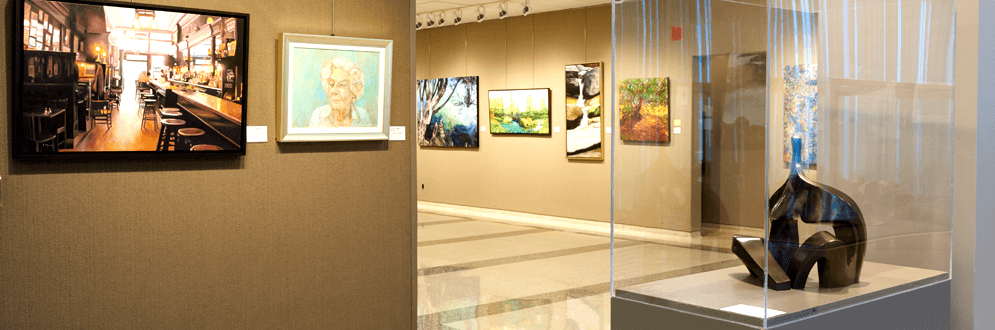
Etobicoke Civic Centre Art Gallery
Wander into the Etobicoke Civic Centre Art Gallery for a no-pressure dose of local and national art — the kind of place where you might stumble onto a juried show that genuinely surprises you. Running since 1976, this community-rooted gallery lines the hallways of the civic centre with rotating exhibitions from artist collectives across the province and beyond. It's free, unhurried, and a lovely way to decompress after work.

Postwar Housing
Wander over to Warden and Civic Road and let the streetscape tell a story of postwar resilience. This area once housed returning soldiers and their growing families during the late 1940s housing boom — a neighbourhood shaped by necessity and hope in equal measure. It's a fascinating open-air history lesson for anyone curious about how Toronto quietly reinvented itself after the Second World War.

Etobicoke Civic Centre (ECC)
The Etobicoke Civic Centre is a mid-century architectural gem worth a closer look on your next west-end wander — opened in 1958, it carried the weight of an entire city's governance before amalgamation folded Etobicoke into Toronto's fold. Today it still hums with civic life, hosting community councils and public meetings that keep local democracy tangible and accessible. A grounding reminder that great cities are built in rooms like these.

Elmcrest Creek
Wander along one of Toronto's quieter ravine corridors, where Elmcrest Creek winds through Bloordale Park and connects to the creative heart of Neilson Park. As a tributary of Etobicoke Creek, this lush greenway offers a genuine escape from city noise — shaded paths, natural scenery, and a sense of discovery around every bend. It's the kind of after-work trail that reminds you just how much wild green space is hiding within the city limits.

Evergreen Brickworks
Wander through one of Toronto's most inspiring reclamations of industrial heritage — the former Don Valley Brick Works, now a thriving urban nature and community hub run by Evergreen. Trails wind past heritage kilns, native gardens, and a bustling farmers' market on weekends, making it equally great for a solo decompression stroll or a casual meetup with friends. Few spots in the city blend ecology, history, and community energy quite this effortlessly.

Don River Valley
Step into a glacially carved landscape that quietly tells 12,000 years of Toronto's geological story. The Don River Valley trails offer a surprisingly wild escape from the city grid, with lush ravine paths, birdwatching, and a sense of genuine wilderness just minutes from downtown. Lace up after work and let the valley's ancient contours remind you that Toronto runs a lot deeper than its skyline suggests.

Christina Mazzula Bell Box Mural (2014)
Stumble upon this charming space-themed utility box mural by artist Christina Mazzula, tucked along McLevin Ave near Hupfield Trail. It's the kind of small, unexpected discovery that makes an ordinary evening walk feel a little more like a neighbourhood treasure hunt. Part of the city's ongoing Bell Box Mural Project, it's proof that great public art doesn't need a frame or a fee.

Centennial Park Conservatory
Escape into a lush indoor oasis at Centennial Park Conservatory, a sprawling 2,400-square-metre greenhouse that has been delighting Torontonians since 1970. Wander through distinct wings showcasing everything from native Ontario flora to vibrant tropical plants, and let the warm, humid air and riot of greenery genuinely reset your mood. Whether you're a devoted plant lover or simply need a beautiful, unhurried space to decompress, this hidden gem delivers every time.

Great Depression in the Don River Valley
Wander the Lower Don River Trail and step into one of Toronto's most overlooked chapters of history. During the Great Depression, hundreds of unemployed men built an entire makeshift community along these very banks — a raw, resilient story etched into the landscape beneath your feet. This self-guided walk pairs fresh air and river views with a surprisingly moving sense of the city's human past, making it a meaningful way to decompress after work.

Pottery Road Underpass Mural
Detour under the Pottery Road overpass and discover one of the Don Valley's most joyful public art moments. Drew Mosley's sweeping mural transforms the concrete pillars into a fantastical bestiary, celebrating the wildlife that calls this urban ravine home. Backed by StreetARToronto, it's the kind of find that makes you feel like a local in your own city — snap a photo, linger a little, and let the colour reset your evening.

Todmorden Mills Heritage Site
Slip away to Todmorden Mills and find yourself surrounded by some of the oldest surviving structures in Toronto. This beautifully preserved heritage site traces back to the Helliwell family's 1821 brewery and distillery, offering a quiet, walkable slice of the city's industrial origins. It's equal parts history lesson and peaceful escape — the kind of after-work detour that leaves you genuinely knowing your city a little better.

Lower Don River Trail
Lace up and follow the Lower Don River Trail for one of Toronto's most surprisingly lush after-work escapes. Stretching from Pottery Road all the way down to the Keating Channel at the lakeshore, this multi-use path winds through the Lower Don Parklands and Crothers Woods — a rare stretch of Carolinian forest teeming with wildlife just minutes from downtown. Whether you're running, cycling, or simply walking off the day, the trail has a way of making the city feel wonderfully far away.
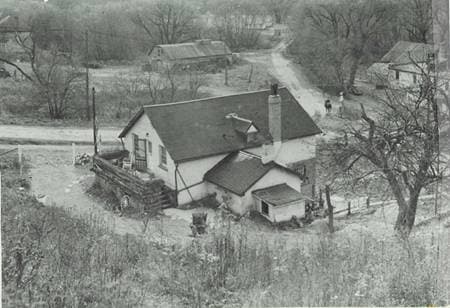
Second World War POW Camp Site
Tucked within the Wildflower Preserve, this quietly significant site marks where a small German prisoner-of-war camp once stood during the Second World War. Many of the POWs held here were put to work at nearby brickyards, including the iconic Don Valley Brick Works — an unexpected layer of global history hidden in a Toronto ravine. Visit as part of a broader wander through the Todmorden Mills area and leave with a richer, more nuanced sense of the landscape around you.

Playter Farmhouse
Wander past one of East York's most quietly remarkable landmarks — a mid-1870s farmhouse that has somehow survived more than a century of the city growing up around it. The Playter family shaped the neighbourhood through farming, commerce, and local politics for generations, and this modest structure carries all of that history in its weathered façade. It's a perfect stop on an evening stroll through the area, offering a grounding reminder of how deeply layered Toronto's story really is.

Danforth Church
Step into a welcoming community space that has been evolving since its founding in 1884 — today the Danforth Church is as progressive and inclusive as it gets, openly affirming to LGBTQ+ members and rooted in a spirit of genuine belonging. Whether you're curious about its striking historic architecture or looking to connect with one of the neighbourhood's most community-minded gatherings, this is a space worth knowing. Check their calendar for events that often extend well beyond Sunday mornings.

Prince Edward Viaduct
Walk or cycle across the Bloor Street Viaduct at golden hour and you'll understand why Torontonians have a soft spot for this century-old engineering marvel. Stretching nearly 500 metres over the Don Valley — 40 metres above the valley floor — it connects neighbourhoods while offering sweeping views of the ravine below and the skyline beyond. Famously forward-thinking in its design, the bridge was built to carry a subway line decades before one was even planned, which feels very Toronto in the best possible way.

William Peyton Hubbard House
Discover one of Toronto's most overlooked historical landmarks on a self-guided stop along Broadview Avenue. This modest house was once home to William Peyton Hubbard, a trailblazing politician who became the first African-Canadian elected to Toronto City Council in 1894 — and went on to serve 15 terms. Standing outside, you get a quiet but powerful reminder of the city's layered past and the individuals who shaped it long before the history books caught up.

William Peyton Hubbard Award for Race Relations
Learn about one of Toronto's most meaningful civic honours on a reflective walk through the neighbourhood where Hubbard once lived. Established in 1989, the William Peyton Hubbard Award for Race Relations celebrates individuals and organizations advancing equity in the city — with past recipients spanning poets, lawyers, activists, and community leaders. It's a chance to connect with Toronto's ongoing story of social progress, and feel genuinely proud of the people who call this city home.

Owen Staples House
Wander past this charming house on Hogarth Avenue, once the home and studio of Owen Staples, an artist whose detailed watercolours and etchings captured Toronto at the turn of the century. His work lives on in the collections of the Art Gallery of Ontario, the Royal Ontario Museum, and the National Gallery of Canada — making this quiet residential stop feel surprisingly significant. It's the kind of neighbourhood detail that makes a post-work stroll feel like a mini art history lesson.

Monica Wickeler (2012)
Seek out Monica Wickeler's charming Bell Box mural on Wolverleigh Boulevard, one of many artist-designed gems scattered across Toronto's residential streets through this beloved public art initiative. These colourful, detail-rich works turn a mundane walk into something genuinely delightful, especially when you stumble across one unexpectedly. Bring a friend, make an afternoon of it, and see just how much art is hiding in plain sight across the east end.

John Cox Cottage
Take a slow detour past one of Toronto's oldest surviving residences, a remarkable log cottage that has quietly stood on Broadview since around 1807. It's an easy addition to an evening walk through the neighbourhood, and it offers a genuinely surprising glimpse into pre-Victorian Toronto that most locals have never noticed. Seeing a structure this old still in residential use feels rare and a little magical — bring your curiosity and maybe a coffee for the stroll.

Don Jail
Seek out the striking Italianate façade of the Don Jail, a building that looms large in Toronto's architectural and social history since opening in 1864 as the largest jail on the continent. Designed by William Thomas — the same architect behind St. Lawrence Hall — the exterior is genuinely impressive, full of dramatic stonework and grand ambition that feels almost at odds with its grim purpose. It's the kind of landmark that rewards a closer look and sparks a great conversation on the walk home.
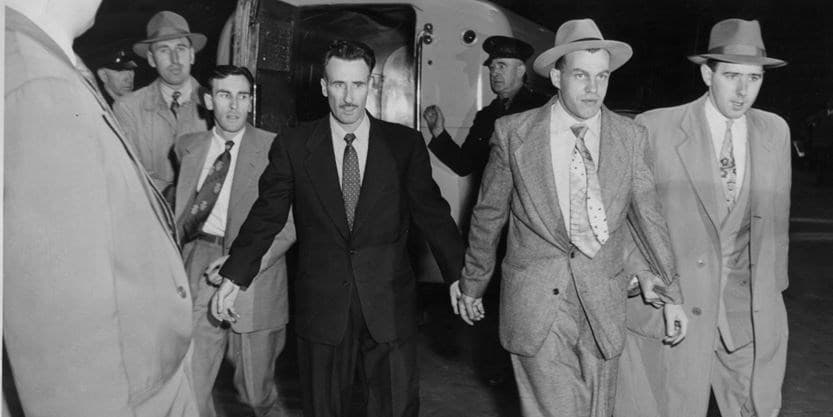
Boyd Gang
Stand outside the Don Jail and let the legend of the Boyd Gang sink in — in 1952, this was the scene of one of the most audacious prison breaks in Canadian history, sparking the country's largest-ever manhunt. It's a fascinating piece of true crime history hiding in plain sight on an otherwise quiet stretch of the city, and well worth a visit if you love Toronto's grittier, stranger stories. Come with a friend, look up the details beforehand, and turn it into a spirited after-work history walk.
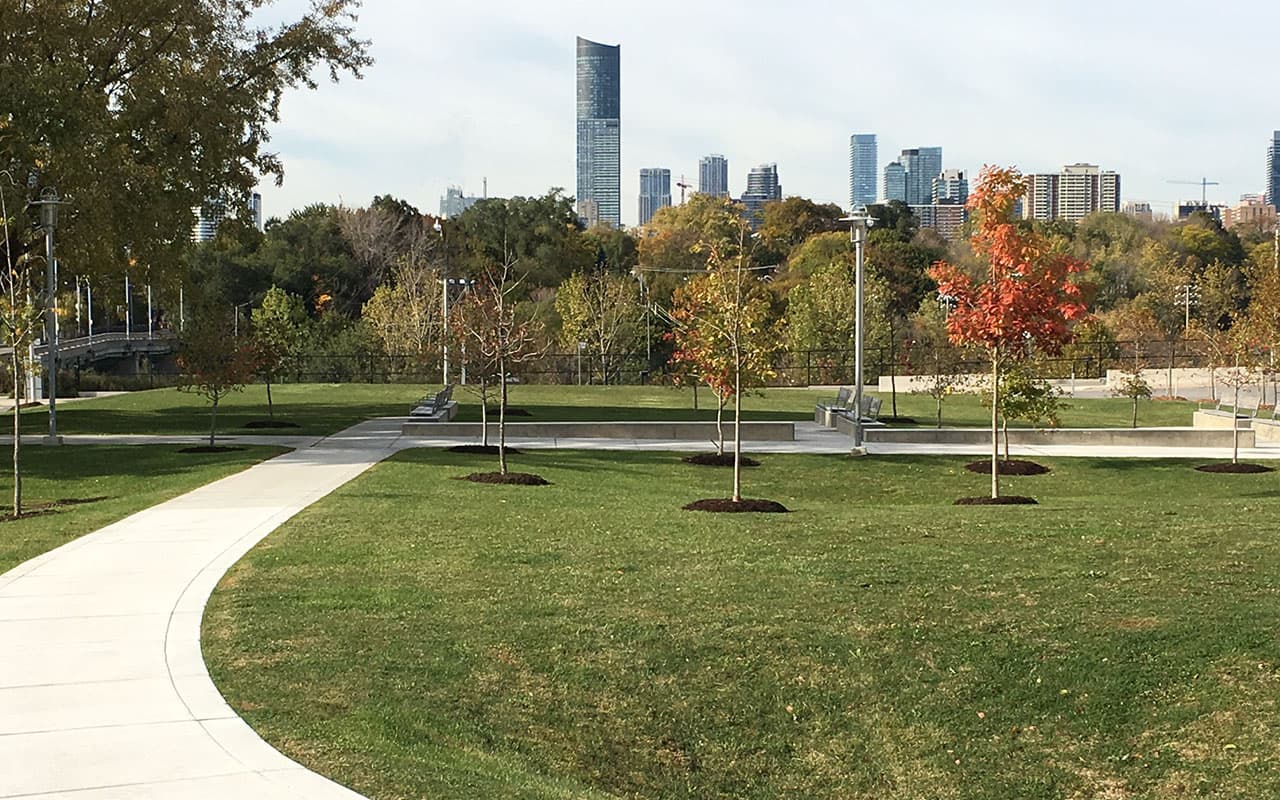
Hubbard Park
Step into one of Toronto's most meaningful green spaces, dedicated to William Peyton Hubbard — the city's first elected African-Canadian politician. Opened in 2016 near the site of the historic Don Jail, this park carries deep roots and a powerful story worth knowing. Bring a coffee, take a slow walk, and let the history of the neighbourhood settle around you. It's a quiet, grounding way to end the day.

Governor's House
Wander up to one of Toronto's most architecturally charming historic structures — the Governor's House, built in 1888 for the Don Jail's first warden. Its Queen Anne Revival details, asymmetrical roofline, and ornate brickwork feel almost fairy-tale-like against the jail's stern backdrop. It's a fascinating free detour for anyone who loves the city's layered, often overlooked history.

Gatekeeper's House
Tucked at the former entranceway of the historic Don Jail, the Gatekeeper's House is a quietly compelling relic of Toronto's 19th-century past. Once a literal threshold between the outside world and the city's most notorious prison, the building now serves the Phillip Aziz Centre. It's a small but evocative stop on any self-guided heritage walk through the east end.

Pods Through Time Mosaic Mural
Pause in front of this stunning mosaic mural on Danforth Avenue and let it pull you in — it's a vibrant, layered love letter to the Coxwell and Danforth community. Through the imagery of pods and seeds, it weaves together East York's history, its present-day culture, and the neighbourhood's evolving future. A perfect, unhurried stop on an evening stroll along the Danforth.

First Branch of the East York Public Library
Step back in time at the site of East York's very first public library, a humble little building on Coxwell that quietly changed the neighbourhood when it opened its doors in 1950. It's a wonderful spot for history buffs and curious wanderers alike, offering a tangible connection to how a postwar community chose to invest in itself. Wander by, read the heritage markers, and imagine the shelves that once served a township hungry for books.

Jennifer Rogers (2012)
Discover Jennifer Rogers' vibrant contribution to Toronto's beloved Bell Box Murals Project, tucked right into the everyday streetscape of Danforth Avenue. These small-scale public artworks transform ordinary utility boxes into unexpected galleries, rewarding anyone who slows down enough to notice them. It's a perfect excuse to take a leisurely stroll along the Danforth and see the neighbourhood through an artist's eyes.

Wishing Well Woods
Wander into Wishing Well Woods and feel the city noise drop away almost immediately — this small but ancient woodlot has been standing since long before Scarborough's suburbs arrived around it. Named for a well dug by settler Christopher Thomson back in 1827, the site carries a quiet, almost storybook quality that makes it a genuinely restorative after-work escape. It's the kind of green pocket that reminds you how much history is tucked into ordinary-looking neighbourhoods.

Jean Gertude (True) Davidson
Pay homage to one of Toronto's most unforgettable political figures by visiting the True Davidson Chambers, named for East York's trailblazing first mayor whose sharp wit and 25-year career left a permanent mark on the city. Jean Gertrude 'True' Davidson was the kind of local legend who made municipal politics genuinely compelling — frank, fearless, and deeply beloved. Swing by the Civic Centre and tip your hat to a woman who helped shape the borough.

Greek Pontian Memorial
Take a quiet moment at this deeply moving memorial honouring the victims and survivors of the Pontic genocide — a chapter of history that deserves far more recognition. The Panagia Soumela monument combines an ionic column with polished black granite in a way that feels both dignified and powerful. It sits within Memorial Park, making it a meaningful stop on any thoughtful after-work wander through East York's layered cultural landscape.

Donlands Theatre
Discover a piece of Toronto's golden age of neighbourhood cinema with a visit to the historic Donlands Theatre building, a 1948 gem designed by architect Herbert Duerr. Once one of the city's beloved "nabe" theatres, this East York landmark carries decades of community storytelling within its walls. Even as a heritage façade today, it's a wonderful reminder of how local cinemas once anchored neighbourhoods — and a great stop for architecture lovers on an evening walk.
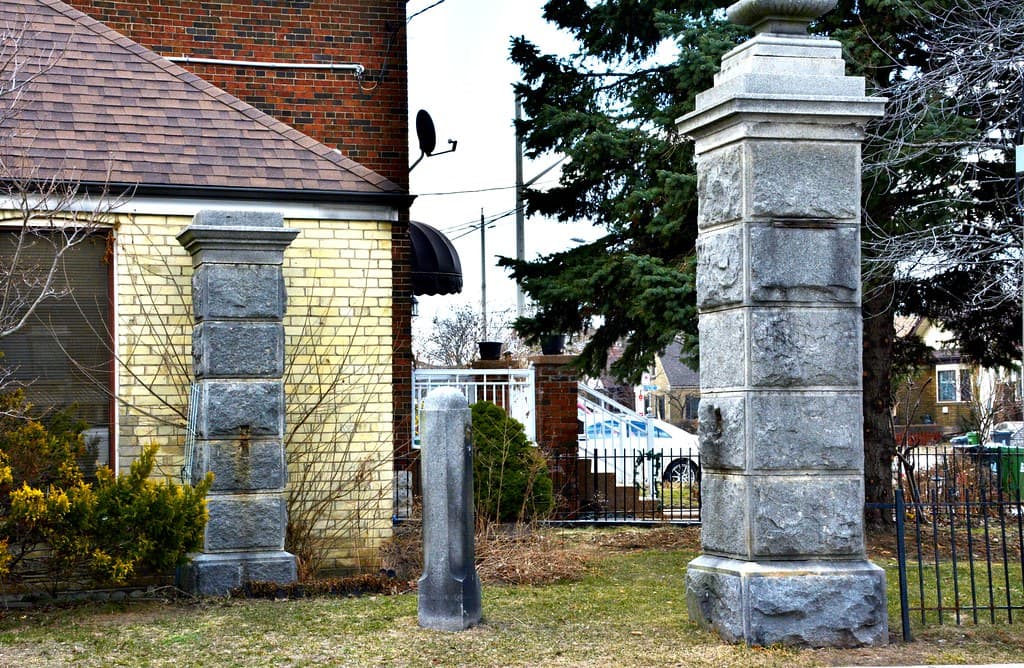
Rivercourt Pillars
Step through the Rivercourt Pillars and into a fascinating slice of Toronto's unrealized ambitions — these stately entrance columns were designed to welcome residents to a grand post-WWI planned community that the Great Depression ultimately halted. Standing at the corner of Rivercourt Boulevard and O'Connor Drive, they're a striking, bittersweet remnant of civic optimism. An ideal detour for anyone who loves discovering the quiet, layered histories hiding in plain sight across the city.

East York Community Centre Children's Mural
Seek out this delightful community mural tucked along Pape Ave and let it stop you in your tracks. Created by VIBE Arts alongside local elementary school kids, the whimsical artwork bursts with colour and youthful imagination — a genuine neighbourhood gem. It's the kind of public art that reminds you why community-led creativity matters, and makes for a lovely detour on an after-work stroll through East York.

Discovering Lakeshore Grounds
Wander the storied Lakeshore Grounds and feel 12,000 years of history beneath your feet. This south Etobicoke landscape — shaped by retreating glaciers and deeply rooted in Anishinaabe tradition — sits alongside the Humber River Trail, one of the city's most scenic pathways. Whether you're after a reflective solo walk or a slow evening bike ride, this green corridor offers rare breathing room just beyond the downtown hustle.

Church Built in a Day
Pause at this unassuming heritage site on Pape Ave and uncover one of Toronto's more remarkable neighbourhood stories. In 1906, a group of determined volunteers raised an entire wooden church in a single day — completing it just in time for evening service. Now a local landmark with deep community roots, it's the perfect excuse to slow down, look up, and appreciate the quietly extraordinary history woven into everyday Toronto streets.

Tak Bui (2012)
Spot this vibrant utility box mural by artist Tak Bui, part of Toronto's beloved Bell Box Murals Project that turned ordinary street infrastructure into a citywide open-air gallery. Small in scale but big on personality, it's the kind of find that rewards those who actually look at their surroundings during an after-work walk. A quick, satisfying detour that adds a little colour to your commute home.

Stanley G. Grizzle Park
Discover a quiet green pocket in East York dedicated to Stanley G. Grizzle, a Toronto-born civil rights champion and labour activist whose story is as inspiring as the space bearing his name. Tucked away on Chisholm Ave., this park offers a peaceful after-work retreat with real historical weight — a place to decompress, reflect, and connect with a lesser-known chapter of Toronto's rich community history. Bring a book, find a bench, and let the neighbourhood slow you down.

Main Square
Wander over to Main Square, a once-ordinary apartment complex that's been transformed into one of East Toronto's most surprising community hubs. Local groups have breathed new life into this public space through art installations, programming, and grassroots energy that makes it feel genuinely alive. Whether you stumble upon an event or simply take in the creative atmosphere on your commute home, it's a reminder that great neighbourhood culture can grow anywhere.

Alleyway of Dreams
Slip off Danforth into the Alleyway of Dreams, an open-air mural gallery tucked behind local businesses near Barrington Ave. that's easy to miss and impossible to forget. Championed by the Danforth Village BIA and brought to life by neighbourhood residents, the rotating collection of large-scale works transforms a functional back alley into a genuine outdoor gallery. It's the perfect spontaneous detour after work — vibrant, community-rooted, and completely free.

Bangladeshi-Canadian Community Services
Connect with a warm and welcoming community hub that has been supporting South Asian newcomers, youth, women, and seniors for years. Whether you're new to Toronto or looking to give back, Bangladeshi-Canadian Community Services offers programs that foster belonging and real human connection. Drop in after work and discover resources, cultural programming, and a genuine sense of neighbourhood pride.
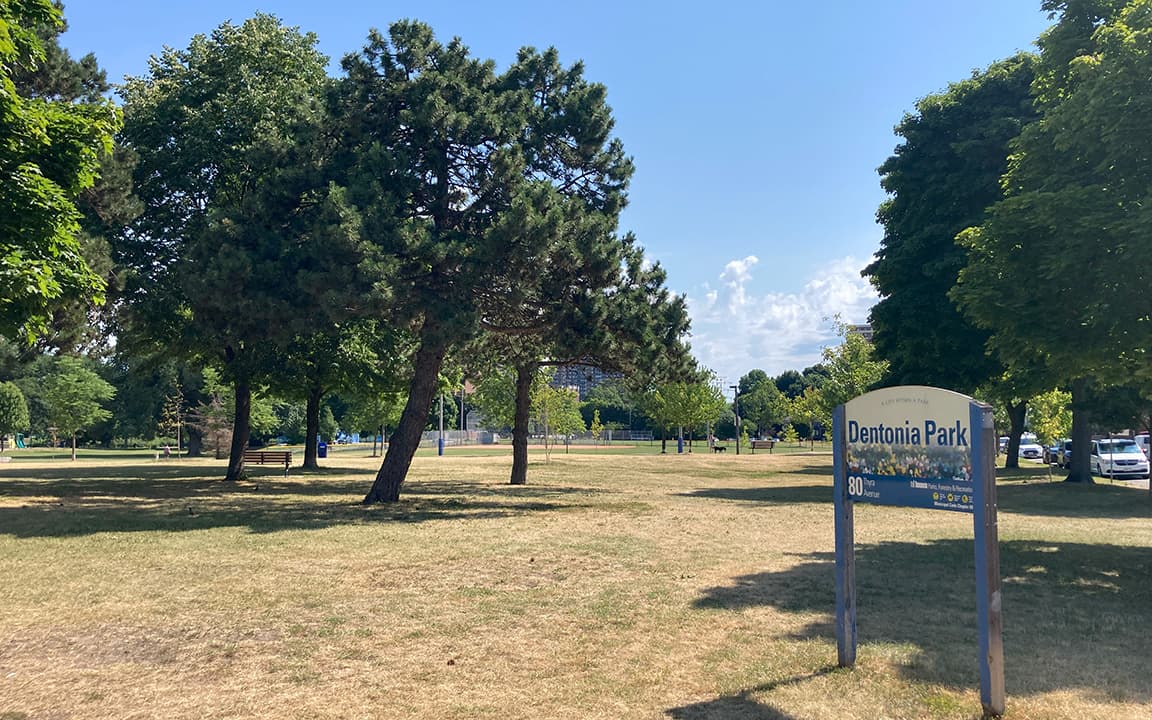
Dentonia Park
Wander through a piece of Toronto history tucked into the east end — Dentonia Park carries the legacy of the Massey family, whose gift to the city has grown into a lovely green escape. Lace up after work and explore the open fields, mature trees, and quiet pathways that make this neighbourhood gem feel worlds away from the office. It's the kind of park that rewards those willing to venture a little off the beaten path.

Crescent Town
Explore one of Toronto's most distinctive residential communities, where an elevated network of pedestrian walkways connects buildings, shops, and green spaces above street level. Crescent Town's multicultural energy and self-contained layout make it a fascinating neighbourhood to wander after work — grab a snack from a local spot and let the community's layered urban design surprise you. It's a slice of Toronto that most people haven't discovered yet.

Dawes Road
Take a slow evening stroll down Dawes Road and let the layers of Toronto's east end history unfold around you. Once a vital artery for farmers and traders in the 1830s, this corridor shaped the commercial soul of East York and still carries echoes of that storied past in its streetscape. It's a surprisingly meditative way to decompress after work — history underfoot, neighbourhood life all around.

Community Centre 55 Bell Box (2017)
Discover one of Toronto's most overlooked canvases — a vibrant Bell Box mural tucked into the neighbourhood at 175 Main St. Wander over after work and take a moment to appreciate the local artists who transformed an everyday utility box into a small burst of colour and community pride. It's the kind of quiet, feel-good find that reminds you why exploring Toronto on foot is always worth it.

Children's Peace Theatre (Goulding Estate)
Head east to the Children's Peace Theatre, a beautifully preserved 1927 Tudor-style estate that carries over a century of Toronto history in its Georgian pine beams. Nestled on the grounds of the former Dentonia Farm, the space now pulses with creative programming and community energy — from theatrical performances to arts initiatives designed to inspire younger generations. Even a casual stroll around the grounds feels like stepping into a different era of the city.

Taylor Massey Trail
Lace up and lose yourself along the Taylor Massey Trail, a 3.5-kilometre greenway that winds through one of Toronto's most storied natural corridors. Following the creek named after two families who helped shape this part of the city, the trail offers a rare chance to disconnect from the downtown grind and reconnect with the quiet beauty of the Don River watershed. It's an after-work reset that feels far more restorative than it has any right to be.

Stan Wadlow Park
Escape the office and let the evening breathe at Stan Wadlow Park, one of the east end's most beloved green spaces tucked along Taylor Massey Creek. Whether you're bringing your dog to the off-leash area, cooling off at the Kiwanis outdoor pool, or just wandering the grounds as the day winds down, this park has a little something for everyone. It's the kind of place where the community actually shows up — and you'll feel it the moment you arrive.

Elevated Wetlands
Wander down to the Don Valley and discover one of Toronto's most quietly remarkable public artworks — Noel Harding's Elevated Wetlands, where towering sculptural forms use solar power to pull water straight from the Don River and filter it through living wetland plants. It's equal parts environmental statement and meditative trail-side encounter, the kind of thing that makes you stop, look twice, and feel genuinely glad you found it. A perfect after-work detour for curious minds who love art and nature in equal measure.
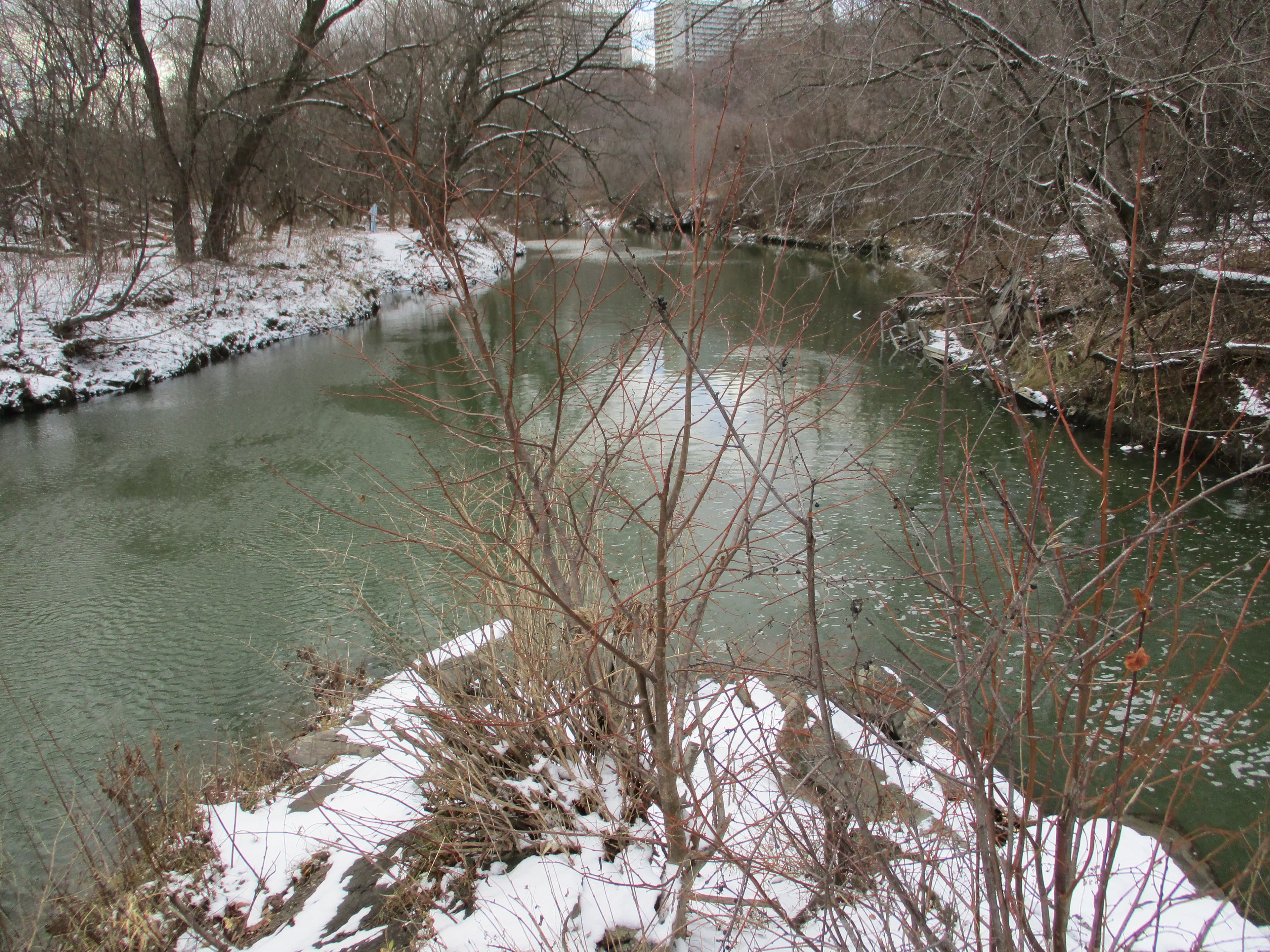
Forks of the Don
Lace up your walking shoes and follow the Lower Don Recreation Trail to one of Toronto's most underrated natural landmarks — the spot where the East Don and West Don Rivers converge to form the mighty Lower Don. It's a surprisingly dramatic meeting point, framed by lush valley greenery and the quiet hum of the city above. Whether you're trail running or just ambling after a long day, this is the kind of restorative urban nature escape that reminds you why Toronto's ravine system is genuinely world-class.

Oksana Oleski (2017)
Seek out this charming street-level mural by artist Oksana Oleski, part of Toronto's beloved Bell Box Murals Project. Tucked along Monarch Park Ave., it transforms an everyday utility box into a small but striking outdoor gallery. Perfect for a slow evening stroll through the neighbourhood — you'll start noticing art in places you'd otherwise walk right past.

Monica Wickeler (2017)
Discover Monica Wickeler's vibrant contribution to the Bell Box Murals Project on Parkmount Rd., where a humble utility box becomes an unexpected canvas. Part of a city-wide initiative that puts local artists front and centre on Toronto's streets, this is the kind of quiet, rewarding find that makes an after-work walk feel genuinely special. Bring a friend and see how many you can spot in the area.

Jungle Ling (2012)
Hunt down Jungle Ling's eye-catching Bell Box mural tucked onto Roseheath Ave., a quiet residential street that rewards the curious wanderer. This piece is part of a broader public art initiative that has scattered original works by Toronto artists across the city's utility boxes. It's a free, no-pressure way to engage with local creativity on your own schedule.

Danforth Music Hall
Step into one of Toronto's most storied live music venues and let the night take over. Danforth Music Hall has been drawing crowds for over a century, and its grand Georgian façade on Danforth Avenue sets the stage before you've even walked through the doors. Whether you're catching a headlining act or just soaking in the atmosphere, this is the kind of room that reminds you why live music still matters.

Greektown on the Danforth
Stroll along one of Toronto's most vibrant and culturally rich corridors as the evening settles in. Greektown on the Danforth is lined with welcoming patios, lively tavernas, and the kind of generous hospitality that makes you want to linger over a glass of ouzo and a mezze spread. It's a neighbourhood that wears its heritage proudly — and rewards anyone curious enough to explore it on foot after work.

Alexander the Great Parkette
Find a quiet moment in this charming community parkette, tucked along the Danforth and named in honour of one of history's greatest conquerors. Alexander the Great Parkette features a small amphitheatre that hosts local gatherings and cultural events, making it an ideal after-work detour — especially if you've got an ice cream cone in hand. It's a lovely little nod to the neighbourhood's proud Greek roots.

Holy Name Church
Pause and take in one of the East End's most striking architectural gems on your after-work wander. Holy Name Church, built in 1926, is a beautifully preserved Italian Renaissance-style limestone structure that draws a clear line of inspiration from Rome's Basilica di Santa Maria Maggiore. Whether you're an architecture enthusiast or simply someone who appreciates a moment of quiet grandeur, this landmark is well worth the detour.
Withrow Park
Escape the city buzz at Withrow Park, one of east Toronto's most beloved green spaces where culture and community collide. Catch an open-air Shakespeare performance from Shakespeare in the Ruff on a warm summer evening — blanket on the grass, stars overhead, the Bard brought gloriously to life. Whether you're wandering the paths after work or stumbling into a neighbourhood festival, this park has a way of making you feel like a local even if it's your first visit.

Kapapamahchakwew (Wandering Spirit School)
Visit the exterior of one of Ontario's most meaningful educational landmarks — the province's first publicly funded school offering a full Indigenous curriculum from kindergarten through grade 12. Kapapamahchakwew, meaning Wandering Spirit, grounds its students in First Nations knowledge, language and culture while meeting the full Ontario curriculum. A powerful reminder that Toronto's east end holds deep and living Indigenous history well worth acknowledging and learning about.

Allenby Cinema
Admire one of the Danforth's most striking pieces of architectural heritage — a beautifully preserved art deco yellow-brick theatre built in 1936 by the legendary duo Kaplan and Sprachman, the minds behind more than half of Canada's classic cinema houses. The Allenby has lived many lives over the decades, and its bold facade still commands attention on the streetscape today. A must-see for architecture lovers and anyone with a soft spot for old-school cinematic grandeur.

Katrina Canedo Bell Box Mural (2014)
Stumble upon one of Toronto's quietly charming public art moments — a painted utility box bursting with illustrated animals brought to life by local artist Katrina Canedo. It's the kind of neighbourhood gem that rewards the curious walker who slows down long enough to notice it. Perfect for a quick detour on an evening stroll through the east end.

Agincourt
Head out to Agincourt and trace the rails that turned a quiet 19th-century stop into one of Scarborough's most storied communities. The area's growth was shaped almost entirely by the arrival of two major railway lines, and the legacy of that industrial past is still visible if you know where to look. It's a low-key, fascinating detour for anyone who loves uncovering the infrastructure stories hiding beneath familiar streetscapes.

Main St. Library
Tuck yourself away at Main St. Library, a charming Arts and Crafts-style cottage that feels more like a secret garden than a public institution. Set back from the street and surrounded by greenery, it offers a genuinely peaceful escape from the city buzz — ideal for an unhurried evening with a good book or a quiet browse. It's one of those Toronto spots that locals cherish and visitors almost never find.

Danforth Carhouse and Garage
Step back in time at this storied piece of Toronto transit history — a streetcar barn that's been shaping the city's east end since 1915. The Danforth Carhouse is a fascinating reminder of how public transit helped stitch together Toronto's neighbourhoods over a century ago. Architecture buffs and history lovers will find plenty to appreciate just wandering past its enduring facade.

Fire Station 226
Pause in front of Fire Station 226 and appreciate one of Toronto's most charming surviving examples of early 20th-century civic architecture. Built in 1910, this red-brick beauty features elegant stone detailing, a graceful rounded window, and a steeply pitched gabled roof that somehow looks just as dignified today as it did over a hundred years ago. Best of all, it's still an active fire station — history very much alive and working.

Zhong Hua Men Archway
Make a point of stopping at the Zhong Hua Men Archway, the striking 13-metre gateway that marks the entrance to Toronto's East Chinatown with real ceremony and meaning. Inscribed with messages of wisdom and goodwill, it stands as a powerful tribute to the history and contributions of Chinese-Canadians to this city and country. It's a beautiful, unhurried landmark worth a slow look and a moment of reflection.

Community Centre 55
Step into a piece of Toronto's layered civic history at Community Centre 55, a stunning Beaux-Arts building that once served as Police Station Number 10. Designed in 1911 by Robert McCallum — the same architect behind the Riverdale Library — the ornate detailing and distinctive corner entrance make it a genuine architectural gem. Wander through at your own pace and let the building's century-plus of neighbourhood stories sink in.

Art, Culture and Community on Gerrard
Explore Gerrard Street East on foot and discover why this stretch has quietly become one of Toronto's most culturally rich corridors. From independent restaurants serving up dishes from around the world to artist-run galleries and community-rooted shops, there's a genuine sense of creative momentum here. It's the kind of neighbourhood walk that turns into a full evening without you even noticing.

Riverdale Library
Step into a century of stories at Riverdale Library, one of Toronto's most charming historic public buildings. Designed in the Georgian-Revival style by City Architect Robert McCallum — the mind behind Allen Gardens Conservatory — this 1909 gem is as architecturally rich as it is welcoming. Whether you're after a quiet read, local history, or just a beautiful space to decompress after work, Riverdale delivers that rare blend of community warmth and timeless character.

Machu Picchu, Peru (2016)
Take a stroll to one of Toronto's most vivid outdoor galleries — a stunning mural of Machu Picchu painted as part of StreetARToronto's ambitious New7Wonders of the World series. The piece brings the ancient Peruvian citadel to life on a Gerrard Street wall, making for a surprisingly transportive after-work moment. It's the kind of public art that stops you mid-step and reminds you just how remarkable this city's streets can be.

Tropicana Community Services
Learn about Tropicana Community Services, a quietly pioneering organization that has been supporting Toronto's Black and Caribbean communities since 1980. As the first Black and Caribbean-led agency to join the United Way of Greater Toronto, Tropicana helped reshape what community care looks like in this city. Visiting or engaging with their work is a grounding reminder of the grassroots organizations that hold neighbourhoods together long before anyone writes about them.

Crow's Theatre
Head east to Crow's Theatre at the Streetcar Crowsnest, a beautifully repurposed arts hub that's become one of Toronto's most exciting venues for contemporary performance. Known for staging bold, provocative work that pushes the boundaries of what theatre can do, Crow's brings a downtown-calibre experience to the East End. The space itself — flexible, atmospheric, and community-rooted — is worth the trip before the curtain even rises.

Riverdale Hub
Drop into Riverdale Hub, a century-old building that's been lovingly transformed into a thriving community anchor for artists, entrepreneurs, and neighbours alike. Grab a coffee at the Social Gardener Café, browse the community gallery, or simply settle into the warm, collaborative energy of the co-working space. It's the kind of place that makes after-work feel less like downtime and more like being exactly where you're supposed to be.

Last Apartment of Grand Dutchess Olga Alexandrovna
Seek out one of Toronto's most quietly extraordinary historical footnotes — a modest building on Gerrard Street East that was once home to Grand Duchess Olga Alexandrovna, the last surviving Romanov and sister of Tsar Nicholas II. She lived out her final years here after a life shaped by revolution and exile, and the building stands today with no fanfare, just quiet significance. It's the kind of only-in-Toronto discovery that makes an after-work walk feel unexpectedly profound.

Gerrard and Ashdale Library
Duck into the Gerrard and Ashdale Library for a breath of calm after a long workday — this 1924 Arts and Crafts gem feels more like an English manor than a public building, and that's entirely by design. Beyond its handsome bones, the library pulses with East End creative energy, hosting community events, art programming, and cultural gatherings that reflect the neighbourhood's diverse character. Grab a new read, settle into the outdoor patio, and let the evening slow down around you.

Naaz Bollywood Theatre
Step into a piece of Toronto's living history at the site of the Naaz Theatre, the cultural anchor that sparked the transformation of Gerrard Street East into the thriving Little India it is today. Once a 750-seat cinema that drew South Asian film lovers from across the city in the 1970s, the legacy of this landmark is woven into every storefront on the block. Stroll the street and let the layered story of immigrant entrepreneurship and community pride sink in around you.

Women in the Walls (2017)
Seek out this striking 66-by-12-foot mural on the side of 1460 Gerrard Street East, a bold testament to women-led public art in Toronto. Born from the 2017 Cultural Hotspot's SPARK Project, the piece was created during a weekend-long live paint jam featuring 18 women artists working alongside StreetARToronto and artist Monica Wickeler. It's the kind of outdoor gallery moment that stops you mid-stride — vivid, intentional, and rooted in real community.
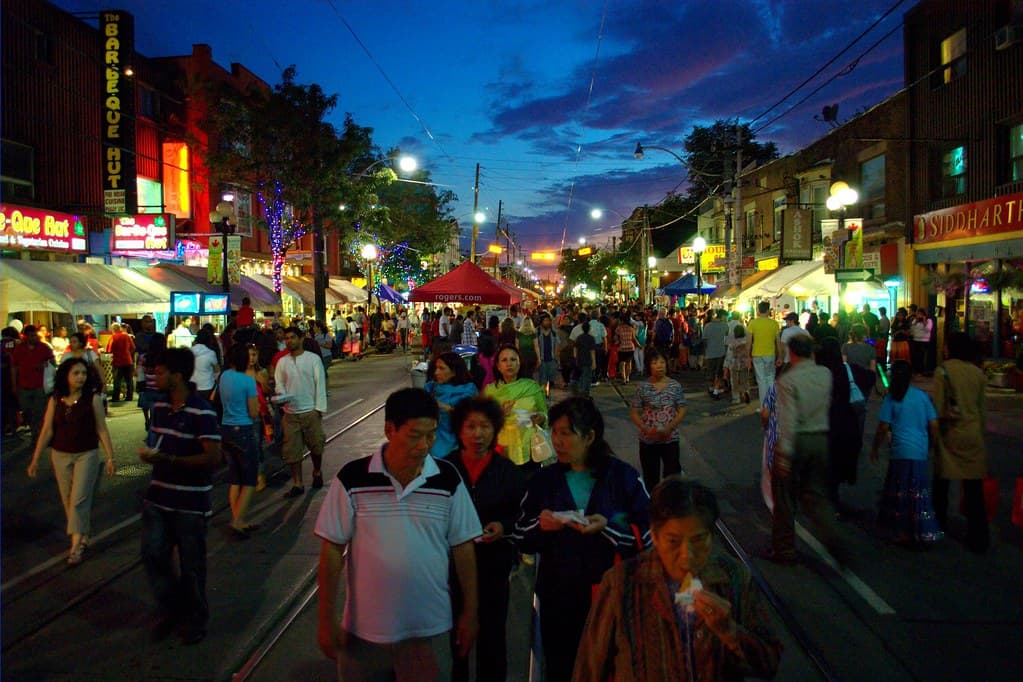
Gerrard India Bazaar
Wander through one of North America's most vibrant South Asian marketplaces, where Gerrard Street East bursts with colour, fragrance, and flavour. Browse sari shops and spice merchants, then linger over a plate of chaat from one of the many beloved restaurants lining the strip. When the annual Festival of South Asia rolls around, the street transforms into a celebration of music, performance, and culinary traditions that feel genuinely transportive — no passport required.

Sun Yat-sen Statue
Seek out the dignified bronze likeness of Dr. Sun Yat-sen nestled within Riverdale Park, where local sculptor Joe Rosenthal captured the founder of the Republic of China mid-thought, book in hand. Installed in 1985, the statue is both a cultural touchstone and a genuinely peaceful spot to pause during a Broadview evening stroll. It's the kind of quiet landmark that rewards those who take the slower route home.

Coxwell Stables
Step back into 1919 at Coxwell Stables, a beautifully preserved piece of Toronto's architectural history tucked along Coxwell Avenue. Designed by the city's own W. W. Pearse, the building's cross-gabled rooflines and striking pyramidal cupola vents are a quiet masterclass in Period Revival design. Worth a slow evening stroll for anyone who loves discovering the stories hiding in plain sight across the city.

Roman Coliseum, Italy (2016)
Discover this vivid homage to the Roman Coliseum painted across a wall on Gerrard Street East, part of StreetARToronto's celebrated New7Wonders of the World mural series. Twenty artists contributed their talents to bring iconic global landmarks to life right here in Toronto's east end. It's a surprisingly transporting experience — the kind of free, after-work cultural moment that makes you fall a little more in love with this city.

Chichen Itza, Mexico (2016)
Marvel at this expansive mural of Chichen Itza rising up on Gerrard Street East, a highlight of StreetARToronto's New7Wonders of the World public art series. The ancient Mayan pyramid is rendered with remarkable detail and colour, making it one of the most photogenic stops on the full mural walk. Lace up your sneakers after work and explore the entire route — it's a free, low-key adventure that doubles as a world tour without the jet lag.

Great Wall of China, China (2016)
Wander over to Broadview Avenue and take in this breathtaking large-scale mural of the Great Wall of China, one of 20 works created as part of StreetARToronto's ambitious New7Wonders of the World project. Painted in collaboration with community organizations and a roster of talented local artists, this piece transforms a city block into a open-air gallery. It's the kind of after-work detour that reminds you just how much world-class art Toronto tucks into its everyday streetscapes.

Christ the Redeemer, Brazil (2016)
Seek out this striking street-level rendering of Christ the Redeemer, one of the boldest pieces in StreetARToronto's New7Wonders of the World mural project along Gerrard Street East. The scale and detail are genuinely impressive — the kind of public art that stops you mid-stride and demands a second look. Pair it with a stroll along the rest of the mural corridor for an effortlessly enriching evening in the east end.

The Lakeshore Grounds
Explore the sweeping Lakeshore Grounds, a historically rich green space that once served as the Lakeshore Psychiatric Hospital from 1890 to 1979. Today the expansive campus invites curious visitors to stroll among heritage buildings, open lawns, and lakeside paths while reflecting on a complex chapter in the city's social history. It's a rare blend of urban nature and meaningful storytelling, perfect for a reflective after-work walk.

Old Scott House
Step back into 19th-century Toronto at the Old Scott House, one of the area's most enduring pieces of settler history. Built in 1841 by Scottish farmer George Scott, this beautifully preserved farmhouse tells the story of a family who shaped the land for over a century. Wander the grounds after work and let the layers of local history sink in — it's a surprisingly grounding way to end a busy day.

Gate House
Discover a quietly fascinating piece of Toronto's architectural past at the Gate House, a Victorian-era lodge built in 1893 on the former Lakeshore Psychiatric Hospital grounds. Originally serving as the entrance to the sprawling asylum estate, the building has been thoughtfully preserved and carries a layered, contemplative atmosphere. It's the kind of unexpected heritage gem that makes an after-work detour feel genuinely worthwhile.

Persephone (2013)
Discover Persephone, a striking steel sculpture by Toronto artist Harley Valentine that brings ancient mythology to life in a lakeside park setting. The piece reimagines the Greek goddess of spring in bold, modern form — a thought-provoking contrast against the natural landscape surrounding it. It's the kind of public art encounter that slows you down, sparks curiosity, and makes an evening stroll feel genuinely enriching.

Lakeshore Grounds Interpretive Centre
Step into the Lakeshore Grounds Interpretive Centre for a thought-provoking look at one of Toronto's most layered historical landscapes. Run by Humber College, the centre weaves together Indigenous history, mental health narratives, and environmental stewardship through rotating exhibitions and community programming. It's a genuinely enriching after-work detour — the kind of place that leaves you seeing the city a little differently on your way home.
Wishing Well Neighbourhood
Stroll through one of Toronto's most quietly significant neighbourhoods and discover a piece of postwar history hiding in plain sight. The Wishing Well area marks the spot where the city's one-millionth home was built, a milestone celebrated with a full community procession back in 1956. It's a low-key, reflective walk that rewards the curious — perfect for anyone who loves uncovering the human stories woven into everyday streets.
Art Starts
Explore the work of Art Starts, an award-winning Toronto organization that harnesses the transformative power of the arts to spark meaningful change in underserved communities across the city. Tucked into the lower level of Yorkdale Mall, their presence is a testament to the idea that creativity belongs everywhere — not just in galleries. Drop in to see how professional artists and community members collaborate across disciplines to produce work that's as socially resonant as it is visually compelling.

The Gatehouse Transformational Healing Garden
Unwind after work in the Gatehouse Transformational Healing Garden, a serene outdoor sanctuary tucked within the historic Lakeshore Grounds. Created in 2014 by community volunteers and staff, this thoughtfully designed space offers a quiet refuge for meditation, reflection, and simply breathing a little slower. It's the kind of restorative pocket of the city that feels like a genuine exhale — and it costs nothing to visit.
Kaleidoscope Mural
Discover one of Scarborough's most vibrant public art moments along the front wall of Centennial East Recreation Centre. This sweeping mural — bursting with colourful butterflies and lush natural imagery — celebrates the ecological richness of the Scarborough landscape. A collaboration between VIBE Arts, StreetARToronto, and muralist Ryan Dineen, it's the kind of neighbourhood gem that rewards a slow, curious walk and leaves you genuinely inspired by what community-driven art can look like.

Lakeshore Psychiatric Hospital Cemetery
Step quietly into one of Toronto's most overlooked and historically significant sites — the former cemetery of Lakeshore Psychiatric Hospital, tucked at the corner of Evans and Horner Avenues. Once known by several names including the Mimico Asylum Burial Grounds, this sombre green space offers a rare, reflective window into the city's mental health history. It's a place for thoughtful wanderers who appreciate the weight of history beneath their feet and the stories a city rarely tells out loud.

Third Garden
Wander through this quietly compelling public art installation nestled within Colonel Samuel Smith Park, where cast iron seating forms and bronze-inlaid concrete pavers invite you to slow down and read between the lines — literally. Commissioned by the City of Toronto in 1999, Third Garden by artists Millie Chen and Warren Quigley blurs the line between sculpture, landscape, and language. It's the kind of site-specific work that feels different every time you visit, depending on the light, the season, and your mood.

Colonel Samuel Smith Park
Escape the downtown rush at Colonel Samuel Smith Park, one of Etobicoke's most beloved lakeside green spaces with a history as layered as the city itself. Named after a Loyalist settler granted land here in the late 1700s, the park today offers waterfront trails, quiet coves, and sweeping views of Lake Ontario — perfect for an unhurried after-work wander. It's the kind of place that makes you feel like you've left Toronto entirely, without actually leaving.

Chinese Cultural Centre of Greater Toronto
Explore one of Toronto's most thoughtfully designed cultural spaces, where a traditional Chinese garden and an octagonal courtyard set the tone for an evening of genuine discovery. The Chinese Cultural Centre of Greater Toronto hosts art galleries, studios, performance halls, and community programming that reflect the richness of Chinese heritage in the city. Whether you're catching an exhibition or simply wandering the grounds after work, it's a restorative and quietly inspiring place to spend an hour.

Wetland Lookout
Pull on your walking shoes and head to the Wetland Lookout at Colonel Samuel Smith Park, where marshes, mature trees, and a surprisingly rich bird population make for a genuinely restorative after-work escape. Rebuilt in 2015, the lookout platform puts you right at the edge of the wetlands — ideal for birdwatchers or anyone who just needs to decompress somewhere that doesn't involve a screen. Spring and fall migrations make this spot especially magical.

Lakeshore Yacht Club
Wander the public waterfront path at Lakeshore Yacht Club for a genuinely peaceful escape from the city grind. The sheltered bay frames picture-perfect views of moored sailboats and the open lake, while the adjacent wetlands are alive with swans, cormorants, and nesting ducks. It's the kind of quiet, restorative spot that feels worlds away from the downtown rush — perfect for a solo decompression walk or a low-key evening stroll with a friend.

Tunnels
Uncover one of Toronto's most intriguing hidden histories by exploring the tunnel system beneath the former Lakeshore Psychiatric Hospital cottages. The underground network once connected kitchens, laundries, and service buildings across the entire campus — a self-contained world running quietly below the surface. Look for the bricked-up lower windows on the cottage buildings as your clue that something fascinating lies beneath your feet.

Whimbrel
Rise early in May and join a quietly devoted community of birdwatchers gathered at the southern tip of Colonel Samuel Smith Park to catch one of Toronto's most underrated wildlife spectacles. Whimbrel — long-billed shorebirds completing an epic overnight migration from the U.S. East Coast — descend on Lake Ontario in flocks that you'll often hear before you spot them. It's meditative, surprising, and completely free — a genuine city secret.

Skating Trail at Colonel Samuel Smith Park
Lace up and glide along Toronto's first-ever outdoor skating trail — a winding 250-metre figure eight set against the serene backdrop of Colonel Samuel Smith Park. It's free, open to the public in winter, and genuinely magical at dusk when the lake air is crisp and the city feels far away. Head inside the Power House Recreation Centre to warm up your toes and swap your boots for blades before hitting the ice.

Central Etobicoke: Where Art and Nature Meet
Discover a side of Etobicoke most Torontonians overlook — where heritage architecture, grassroots arts organizations, and lush creek-side greenways quietly coexist. This self-guided cultural trail winds through some of the neighbourhood's oldest surviving buildings and connects you to local arts hubs working to embed creativity into everyday community life. Follow Elmcrest Creek all the way to the sweeping grounds of Centennial Park for a full evening of exploration that feels equal parts educational and restorative.

Andrew Coulter House
Step back in time at one of Etobicoke's oldest surviving homes, a quietly remarkable Georgian-style house that predates Confederation itself. The Andrew Coulter House rewards the curious with layers of architectural history hidden beneath its cheerful yellow siding — original brick, neoclassical details, and stories stretching to pre-1852. It's the kind of place that makes a neighbourhood walk feel genuinely meaningful.

Bell Box Mural Project
Hunt down a tiny gallery hiding in plain sight — the Bell Box Mural Project has quietly transformed over 300 utility boxes across Southern Ontario into vibrant street-level canvases since 2009. The Eglinton and Locksley installation is a perfect excuse to slow down your commute and appreciate the unexpected art tucked into everyday infrastructure. It's free, it's fleeting, and it's the kind of discovery that makes city life feel a little more alive.

Galaxy (1966)
Seek out one of Toronto's most quietly compelling public sculptures — Gerald Gladstone's Galaxy, a soaring aluminum work of tilted rings and suspended wires that feels like it was pulled straight from a 1960s dream of the cosmos. Commissioned for the old Constellation Hotel and later gifted to the city, it's the kind of piece that rewards a slow walk around it. Bring a coffee, take your time, and let the interplay of light and metal do its thing.

Etobicoke Township Hall
Step into a slice of Etobicoke history hiding in plain sight — the building now known as the Fox & Fiddle on Dundas West conceals the bones of Islington Village's first Methodist church, dating back to around 1843. What looks like a straightforward pub visit becomes a quiet meditation on how Toronto reinvents itself over and over. It's a great excuse to grab a pint and appreciate the layers of the city beneath your feet.
Richview Memorial Cemetery
Discover one of Toronto's most unexpectedly poignant spots — Richview Memorial Cemetery, a mid-19th-century burial ground now hemmed in by the roar of Highway 427, yet somehow still standing. Originally tied to Richview Methodist Church around 1850, it's a rare pocket of stillness amid the city's relentless infrastructure. Visit at golden hour and you'll find it quietly beautiful, a reminder that history has a way of holding its ground.

Centennial Park and Pan Am BMX Centre
Escape the downtown grind at one of Toronto's most expansive green spaces, where 212 hectares of trails, open fields, and recreational facilities invite you to decompress after a long day. Catch local BMX riders throwing tricks at the Pan Am Centre, or simply wander the paths that once wound through a working dairy farm. Whether you're looking for a proper workout or a slow evening stroll, Centennial Park delivers that rare city exhale.

Applewood Shaver Homestead
Visit the Applewood Shaver Homestead for a surprisingly rich slice of Canadian political and domestic history — this beautifully preserved 1852 farmhouse is the birthplace of J.S. Woodsworth, the visionary founder of the CCF and a direct ancestor of today's NDP. The home remained in the same family for over a century, and that continuity gives it a warmth that heritage plaques rarely capture. A quiet, reflective stop that rewards the historically curious.

ECC Farmers' Market
Spend a leisurely Saturday morning browsing one of Etobicoke's most beloved seasonal traditions. Running every weekend from June through October, this farmers' market at Etobicoke Civic Centre brings together local growers and artisan food producers offering everything from fresh vegetables to handcrafted goods. Arrive early for the best picks, grab a coffee from a nearby vendor, and let the unhurried pace of market life set the tone for your weekend.

Samuel & Ann Mercer House
Step back into early Toronto history at this beautifully preserved Georgian farmhouse, where metre-thick fieldstone foundations and handmade red bricks tell the story of the city's earliest settlers. Once home to Samuel and Ann Mercer, pioneers of the York Mills area, the property offers a rare and tangible connection to a Toronto that existed long before the skyline. It's a peaceful, grounding visit for history lovers and curious wanderers alike.

ECC Cenotaph
Pause and reflect at one of Etobicoke's most quietly powerful landmarks. Originally built as a clock tower in the early 20th century, this striking limestone cenotaph was reimagined in 1968 as a tribute to those who served in World War I, World War II, and the Korean War. It's a meaningful stop for anyone who appreciates history woven into everyday urban spaces — the kind of place that rewards a slow, thoughtful visit after a long day.

Riding the Radials (2007)
Wander over to this striking outdoor mural and discover a piece of Toronto's transit history painted right onto the neighbourhood's walls. Part of a beloved trilogy celebrating children at play, this work by John Kuna reimagines the old radial streetcar lines that once spread outward from the city's core like spokes on a wheel. It's the kind of street-level gem that turns an ordinary after-work stroll into something genuinely memorable.

Islington Village: History in Art
Step outside and let the walls of Islington Village tell you a story that stretches all the way back to 1793. This richly detailed mural traces the evolution of Dundas Street from a rough military footpath to the vibrant urban corridor it is today, weaving together centuries of local history in vivid colour. Think of it as a free outdoor history lesson that you can absorb at your own leisurely pace.

Ribfest
Gather your crew and head to one of summer's most deliciously indulgent traditions — a festival dedicated entirely to the art of the rack. Ribfest draws serious pitmasters and hungry Torontonians alike to Centennial Park every year, serving up smoky Southern-style ribs and pulled pork by the thousands while raising money for local charities. Beyond the food, expect live music, family-friendly activities, and that unmistakable festival atmosphere that makes a Tuesday feel like a celebration.

Toronto Pearson Airport
Step into a place where the scale of human movement becomes genuinely awe-inspiring. Toronto Pearson is one of North America's great transit hubs, and even a casual visit reveals an endlessly fascinating cross-section of the world passing through in real time. Whether you're plane-spotting from the observation areas or simply soaking in the architecture and energy of one of Canada's busiest landmarks, it's a surprisingly compelling after-work detour for the curious-minded.
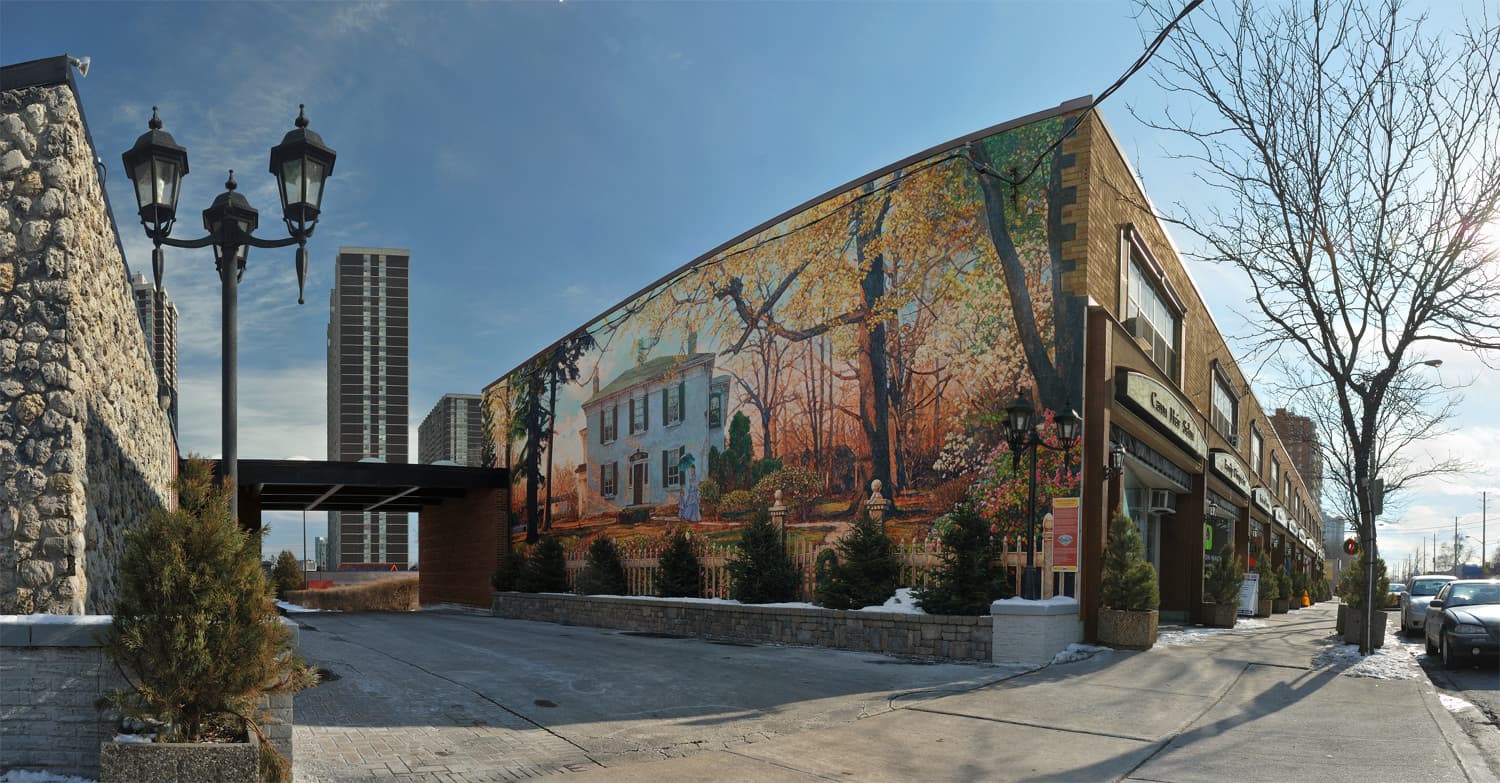
Islington Village Murals: John Kuna
Take yourself on a self-guided open-air gallery tour along Dundas Street West, where Toronto artist John Kuna's vivid murals have quietly become landmarks in their own right. A graduate of OCAD who committed his career entirely to large-scale public painting, Kuna has left over 20 works along this stretch alone — each one rich with local character and craftsmanship. It's a wonderful after-work wander for anyone who loves discovering that a city's best art is sometimes hiding in plain sight.

The Old Swimming Hole (2009)
Pause in front of this evocative mural and let yourself drift back to a slower, sun-drenched era of Toronto's past. John Kuna's "The Old Swimming Hole" draws inspiration from a real spot on Mimico Creek where village kids once played beside a working sawmill — a place now quietly absorbed into the Islington Golf Course landscape. It's the kind of public artwork that rewards a moment of stillness, turning an ordinary sidewalk stop into a small, transportive history lesson.

Prodigy (2011)
Wander past this beautifully rendered mural celebrating the Village of Islington's deep musical roots, painted by local artist John Kuna. The work pays tribute to the legendary Glenn Gould and the storied history of a Royal Conservatory of Music satellite branch that once called this very spot home. It's a free, unhurried cultural moment tucked into the everyday streetscape — perfect for music lovers who enjoy discovering history hiding in plain sight.

Fishing in Mimico Creek (2012)
Discover one of Toronto's most layered public murals along Dundas West, where artist John Kuna captures the joy of childhood in a bygone Etobicoke. This final piece in the 'children at play' trilogy transports you to Mimico Creek circa 1920, complete with kids fishing, lush riverbank flora, and a peek beneath the water's surface. It's a quiet, contemplative stop that rewards anyone willing to slow down and look closely at the neighbourhood's natural history.

Mabelle Park and Mabelle Avenue
Wander into one of Toronto's most quietly remarkable community projects, where art and everyday life genuinely intertwine. MABELLEarts has transformed this west-end park into a living canvas — think outdoor kitchens, community gardens, and rotating works created by local artists alongside the people who call this neighbourhood home. Whether a spontaneous performance is underway or the garden is simply buzzing with neighbours, Mabelle Park offers a warm, unhurried reminder that the best public art grows from the ground up.

Harold G. Shipp's "First High Flier!" (2008)
Uncover one of Toronto's most unexpectedly cinematic street murals, inspired by a true wartime story right here in Etobicoke. This vivid scene depicts the audacious teenage stunt of Harold G. Shipp, who convinced a Lancaster bomber pilot to drop cards onto a local school football field during the Second World War. It's a free, conversation-starting piece of public art that turns a simple walk down Dundas West into a genuine history lesson.

The Way We Were - Part II (2006)
Travel back to 1912 without leaving the sidewalk — this beautifully rendered mural paints a vivid picture of Islington Village as it once was, complete with the storied old Islington Hotel and road workers laying down the very streets you're standing on. Part of a larger series celebrating the neighbourhood's layered history, it rewards a slow, curious stroll after the workday winds down. Bring a friend and see how much the neighbourhood has — and hasn't — changed.

Gordon's Dairy ca. 1940 (2008)
Pull up to this warm, nostalgia-soaked mural that brings Gordon's Dairy back to life — a 1940s neighbourhood institution where locals gathered at the lunch counter and dairy bar after school and work alike. The family portrait captured in paint, from suited sons to the bookkeeper daughter Grace, gives the scene an almost cinematic intimacy. It's a quiet, feel-good stop on any Dundas West after-work wander.

The Way We Were - Part I Islington ca. 1912 (2005)
Travel back to 1912 with this detailed mural drawn from archival documents held at Montgomery's Inn, offering a rare street-level glimpse of old Islington. Local photographer Walter Moorhouse's family appears on the left, anchoring the scene in real community history rather than nostalgia alone. It's the first of a two-part series — once you've seen it, you'll naturally find yourself hunting down the companion piece just a few doors away.

Ordinary Folk/Extraordinary Lives (2016)
Pause in front of this moving six-panel mural and take a quiet moment to honour the families who built the Islington neighbourhood from its earliest days. Commemorating the residents now resting in the historic Islington Burying Ground — some plots dating back to the 1840s — it transforms an ordinary stretch of Dundas into something genuinely affecting. A reflective, unhurried stop that puts the everyday pace of after-work Toronto in meaningful perspective.

Mimico Creek, ca. 1920 (2008)
Step back to a quieter, greener Toronto with this evocative mural depicting Mimico Creek and Dundas Street as they appeared around 1920. Lush sumac, spruce, and pine frame a landscape that once drew painters to the steps of the nearby Montgomery's Inn for inspiration. It's a beautiful, unhurried moment of public art perfect for an after-work stroll — history and nature rendered in vivid colour right on the sidewalk.
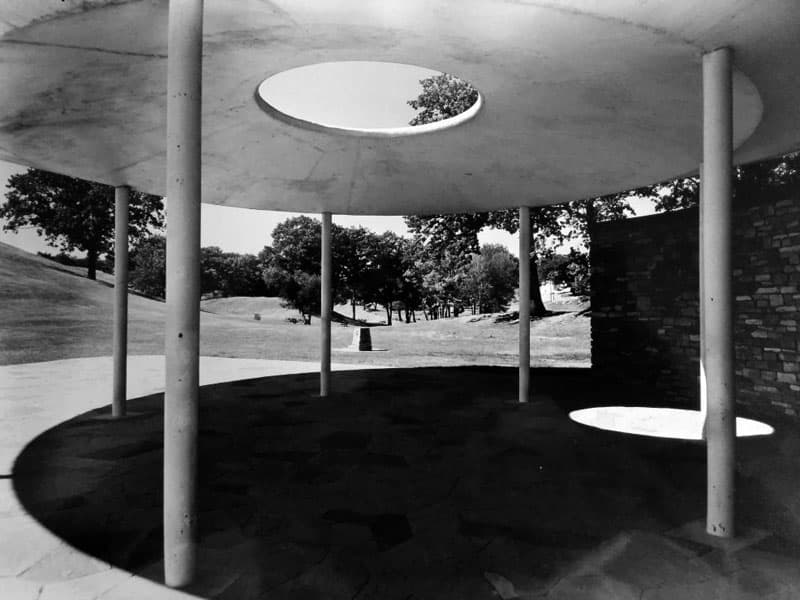
Oculus Pavilion & Space Age Influence
Wander down the Humber Recreational Trail to discover one of Toronto's most quietly fascinating architectural gems — the Oculus Pavilion. Built in 1958 and shaped like something straight out of a sci-fi film set, this flying-saucer-inspired concrete canopy is a love letter to the Space Age. It's the kind of spot that rewards curious explorers: bring a coffee, take in the surroundings, and appreciate a piece of mid-century vision that most Torontonians have never stumbled upon.

Briarly - Gone but not Forgotten (2007)
Pay a visit to a house that no longer exists — Briarly, an 1830s Regency-style cottage once graced with briar rose gardens, lives on through a gorgeous commemorative mural on Dundas West. Named for its blooms and redesigned multiple times over its long life, the home now exists only in paint and memory, making this an unexpectedly moving stop on an evening stroll. It's the kind of hidden gem that reminds you how much history is quietly layered beneath Toronto's streets.

Arts Etobicoke
Discover a creative haven that's been quietly shaping west-end culture for over four decades. Arts Etobicoke offers thoughtfully designed programs for all ages and skill levels — from visual arts to community workshops — making it an ideal after-work stop for anyone craving genuine creative connection. Whether you're a seasoned artist or a curious beginner, the welcoming atmosphere here makes it easy to show up, get inspired, and leave feeling a little more yourself.

Faith of Our Fathers 2 (2009)
Take a slow evening stroll past this striking 2009 mural honouring the deep spiritual roots of Islington United Church and the circuit riders who served this community as far back as 1815. The artwork brings history to life in vivid colour, grounding a fast-moving neighbourhood in its own rich past. It's the kind of free, unhurried cultural experience that makes wandering Toronto's outer neighbourhoods so quietly rewarding after a long workday.

The Faces of Islington (2013)
Pause on your evening walk to take in this vivid 2013 mural celebrating the diverse faces of Islington Village through the eyes of its youngest residents. Painted from real photographs of local children, the piece captures the evolving cultural fabric of this community with warmth and intimacy. It's a reminder that some of the city's most meaningful art lives not in galleries but on the streets, waiting to be noticed on an otherwise ordinary Tuesday evening.

The Manse Committee (2010)
Peek into Victorian-era life through this beautifully detailed 2010 mural depicting the interior of an 1888 manse and the committee members who shaped the Islington Methodist community. It's part history lesson, part neighbourhood treasure hunt — one of several murals dotting Dundas West that together tell the story of Islington Village across generations. Come for the art, stay for the unexpected sense of connection to a Toronto that existed long before the condos arrived.

Portraits From Our Past (2008)
Step up to a mural that turns a sidewalk into a living history lesson. Manitoba artist Sarah Collard translated archival photographs of the Village of Islington into four vivid vignettes — harvest scenes, community portraits, and glimpses of daily life from another era. It's a surprisingly moving stop on an evening stroll, the kind of public art that rewards a slow look and sparks real conversation about the neighbourhood you thought you knew.

Musson House
Pause in front of one of the area's rare surviving 19th-century landmarks and let the layers of local history sink in. Built in 1880 in the elegant Regency style, Musson House served as a community anchor for decades under postmaster Thomas Musson. Walking past this beautifully preserved two-storey home feels like finding a quiet pocket of the past that somehow made it through — a perfect unplanned stop on an evening walk along Dundas West.

Montgomery Road
Take a slow evening walk down Montgomery Road and travel back through layers of Toronto history with every step. This quiet stretch was originally cut through private farmland by Thomas Montgomery himself to give local farmers a faster route to the Humber Mills — and well into the 1940s it was still mostly open field. It's a contemplative, low-key outing perfect for unwinding while soaking up the city's lesser-known past.

Montgomery's Meadow
Wander into a quietly thriving pocket of urban nature that volunteers built from scratch back in 1997. Montgomery's Meadow replaced a plain lawn with native wildflowers and grasses, and the local wildlife — butterflies, songbirds, chipmunks and more — showed up to say thank you. It's a genuinely restorative after-work detour, the kind of green space that makes you forget you're steps from a busy street.

Aftermath (2011)
Stop and take in this striking outdoor mural that brings one of Toronto's most dramatic weather events back to life. Painted in 2011, it captures the raw community spirit that emerged in the wake of Hurricane Hazel's devastating 1954 floods, depicting volunteers and firefighters working side by side. It's free, it's powerful, and it's exactly the kind of local history that hits differently when you're standing right in front of it.

Getting to Know Mimico Creek
Wander along a stretch of Mimico Creek that carries centuries of history beneath its surface. This self-guided tour through Tom Riley Park traces the land once farmed by Thomas Montgomery, blending natural beauty with quiet local storytelling. It's the kind of unhurried after-work reset that reminds you how much character hides just beyond the city's busier streets — bring comfortable shoes and a curious mind.

Golfing in Islington (2014)
Catch a glimpse of a century-old golf course without ever stepping onto the green. This 2014 mural offers a window-like view of the Islington Golf Club, designed in 1923 by legendary course architect Stanley Thompson and largely unchanged since. The painterly realism makes it one of the more quietly impressive pieces of public art along Dundas West — worth a pause, a photo, and maybe a little trivia flex with whoever you're walking with.

Montgomery's Inn
Step back into early settler life at Montgomery's Inn, one of Etobicoke's most cherished heritage landmarks. Built in 1830 by Irish immigrant Thomas Montgomery, this beautifully preserved inn offers a genuine window into Upper Canada's past — from its original stone architecture to period-accurate interiors. Whether you're a history buff or just curious about what Toronto looked like nearly two centuries ago, this is a quietly rewarding after-work detour worth making.

St. George's On-The-Hill Anglican Church
Climb up to St. George's On-The-Hill Anglican Church and take in both the sweeping views and over 160 years of layered history. This elevated site was significant long before settlers arrived — First Nations artifacts found here in the 1970s led to its registration as an archaeological site of interest. It's the kind of place that rewards a slow, curious visit, reminding you just how many stories are written into Toronto's landscape.

Mimico Creek
Follow Mimico Creek south of Dundas for an easy after-work escape into one of Toronto's quieter natural corridors. Tracing its origins all the way back to the Oak Ridges Moraine, this 33-kilometre creek winds through Etobicoke with a calm, unhurried energy that's hard to find closer to downtown. It's a lovely spot for a waterside walk or a moment of fresh air — the kind of green reset your weekday self genuinely needs.

Old Mill
Step back into Toronto's earliest industrial roots with a stroll around the Old Mill area along the Humber River, where mills have shaped this landscape since the 1800s. The site tied to William Gamble's legacy has evolved into one of the city's most atmospheric riverside spots — think lush greenery, heritage architecture, and a genuinely storied sense of place. It's the perfect after-work wind-down for anyone who loves their nature walk with a side of history.

Canadian Pacific Railway
Discover a surprisingly compelling slice of Canadian railway history right in the west end at Tom Riley Park. The Canadian Pacific Railway's arrival through Islington in the 1880s reshaped how entire communities lived, traded, and connected — and the remnants of that era are still quietly embedded in the landscape here. It's a great excuse to take a slow evening stroll while brushing up on the industrial forces that helped build modern Toronto.

Lambton Woods
Step into Lambton Woods for one of Toronto's most peaceful after-work nature walks, tucked along the west bank of the Humber River. Towering mature trees, rustling wildlife, and an impressive bird population make this green corridor feel miles away from the city — even though you're absolutely not. Slow down, look up, and let this lush, historically rich patch of urban forest do its thing.

Dorothy Anne Manual Bell Box Mural (2014)
Discover a pair of vibrant painted utility boxes tucked along Sheppard Ave. E. that celebrate the joy of music through bold colour and playful imagery. One side bursts with musical notes, the other features a mic and speakers — a small but spirited piece of public art worth pausing for. It's the kind of quiet neighbourhood gem that reminds you great creativity doesn't always need a gallery.

New Horizons Community Garden
Stroll through New Horizons Community Garden and soak in the warmth of a space rooted in resilience and cross-cultural connection. Founded in 2007 by members of the Multicultural Association of Bosnian Seniors, these once-empty plots have been lovingly transformed into flourishing gardens by families from across the former Yugoslavia and beyond. It's a living, growing reminder of what community can look like when people tend to something together.

Mimico Creek Water Monitoring Station
Spot the unassuming little hut beside Mimico Creek in Tom Riley Park and you've found one of the city's quiet environmental guardians — a streamflow monitoring station that's been tracking water levels since 1966. It's a small but fascinating window into how Toronto manages urban waterways and stormwater runoff over decades. A great conversation starter for anyone curious about the infrastructure humming quietly beneath everyday city life.
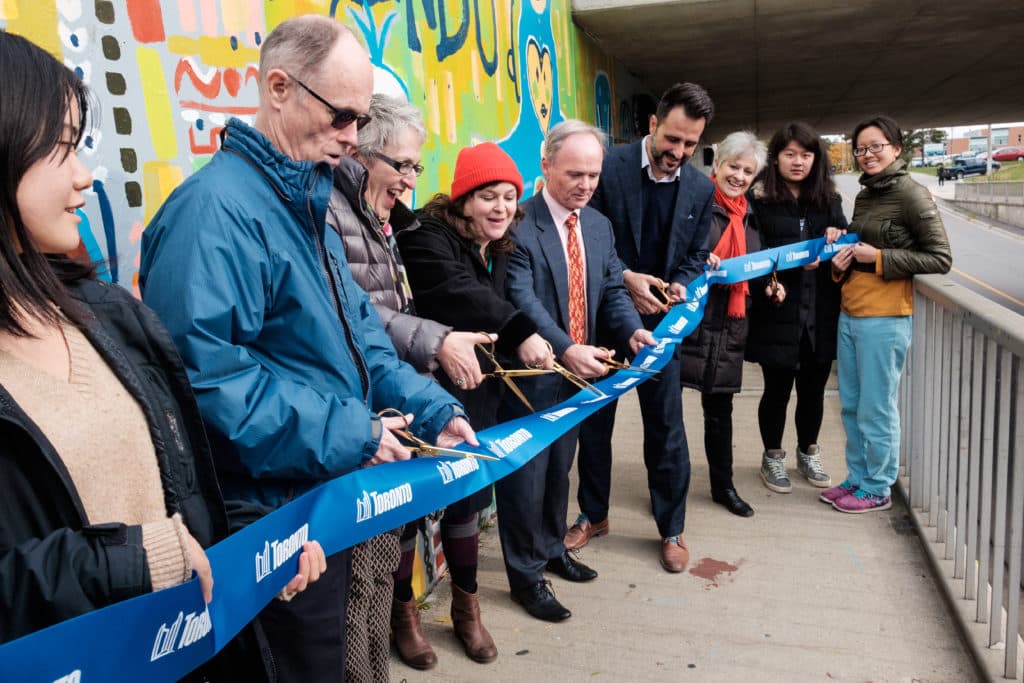
Dignity City (2016)
Seek out this striking community mural tucked under the Montgomery Road railway underpass, where local artist Boo worked alongside fifteen Etobicoke Collegiate students to bring a powerful vision to life. Created in partnership with Amnesty International's Project Urban Canvas, the piece marks the 60th anniversary of the Universal Declaration of Human Rights with real emotional weight. It's a reminder that some of Toronto's most meaningful art is hiding in plain sight — and absolutely worth the detour.

James Gardens
Wander through one of Toronto's most quietly stunning green spaces, where winding stone pathways curl past reflective ponds and canopies of mature trees. James Gardens is a dream after a long workday — whether you're snapping photos of the manicured grounds or continuing onto the Humber River trails for a longer explore. Named after the family who once called this estate home, it carries a sense of timeless calm that's genuinely hard to find in the city.

Lambton Mills Bridge Abutments
Discover the ghost infrastructure of Lambton Mills along the Humber Recreational Trail, where 19th-century stone bridge abutments still stand as quiet monuments to the city's earliest crossings. These weathered remnants supported a succession of bridges dating back to 1811, telling a layered story of commerce, growth, and eventual change along the Dundas corridor. It's the kind of tucked-away historical detail that makes an evening trail walk feel like a real discovery.

Teiaiagon
Explore one of Toronto's most significant Indigenous heritage sites along the Humber River Trail, where the Seneca village of Teiaiagon once thrived on a dramatic riverside plateau in the mid-1600s. Walking this trail connects you to thousands of years of First Nations presence on this land in a way that feels genuinely grounding. It's a quietly powerful after-work wander that reminds you just how deep the city's history really runs.

Humber River Dams
Head to the Humber River dams in spring and you might just catch the spectacular sight of steelhead trout and chinook salmon leaping upstream to spawn — a genuinely wild moment hiding inside the city. The dams serve double duty as flood control infrastructure and natural fish passages, supporting over 25 species in these urban waters. It's the kind of after-work detour that makes you forget you're a short drive from downtown Toronto.
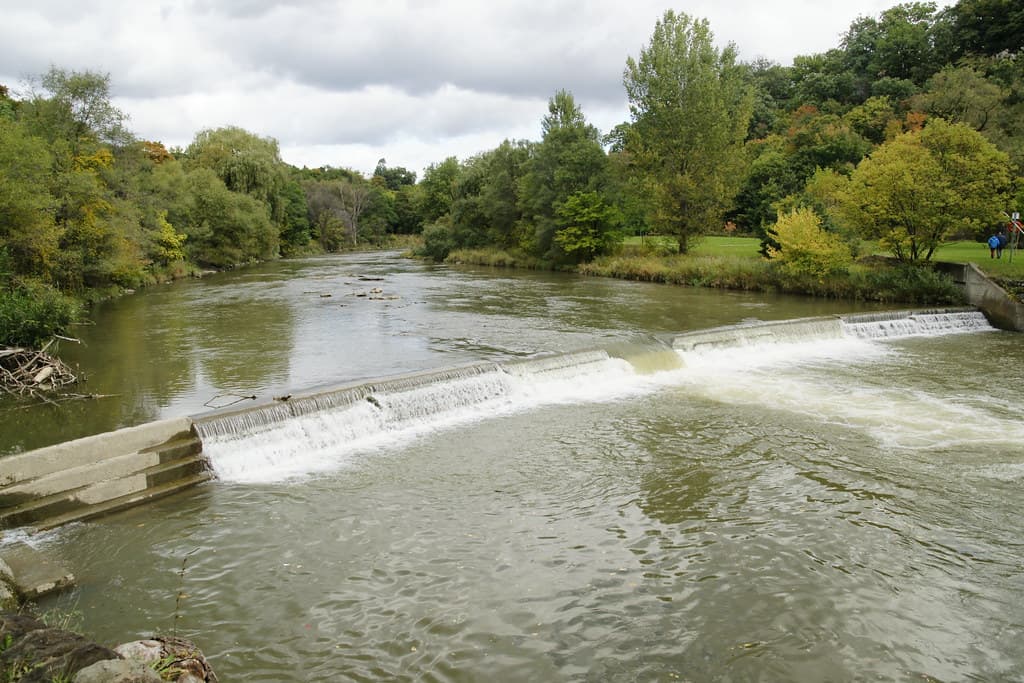
Home Smith Park
Spend an evening in one of the Humber Valley's most quietly storied green spaces, named after the developer who shaped much of this riverside landscape in the early 1900s. Robert Home Smith's vision for the area — grand suburban estates and the beloved Old Mill Inn — left behind parkland that feels both elegant and deeply natural. It's the kind of place that rewards a slow, unhurried walk after a long day at the office.

Mills on the Humber River
Explore the stretch of the Humber Recreational Trail between Bloor and Dundas to uncover the sites of three mills that once powered early Toronto's economy. King's Mill, the oldest of the three, sat where the iconic Old Mill Hotel now stands — a satisfying layering of history you can see in real time. It's a perfect after-work walk for anyone who loves finding the city's industrial past hiding quietly beneath its green spaces.
The Shared Path
Wander Toronto's first historical park, where 13 Story Circles scattered along both banks of the Humber River bring centuries of layered history to life. The Shared Path weaves together Indigenous heritage, settler stories, and natural history in a format that feels more like a thoughtful stroll than a history lesson. It's a genuinely lovely after-work escape — part trail, part open-air museum, entirely worth your time.

Album (2015)
Seek out this striking public mural tucked beneath the Dundas Street West Bridge along the Humber Recreational Trail, where vibrant painted pillars celebrate LGBTQ contributions to sport. Created by artists Anna Camilleri and Tristan R. Whiston as part of the Pan Am Path in 2015, it's a meaningful pause on an after-work walk or bike ride. Come for the colours, stay for the quiet reflection — this is Toronto's public art scene at its most thoughtful and grounded.

Dundas Street Bridge
Walk or cycle across the Dundas Street Bridge and take a moment to appreciate a slice of Toronto's urban planning history spanning nearly a century. Rerouted and rebuilt in 1929, this bridge is now a colourful gateway thanks to the bold LGBTQ-honouring murals added in 2009 as part of the Pan Am Path project. It's a perfect mid-ride landmark on the Humber Recreational Trail — functional, historic, and unexpectedly beautiful.

Sakura Trees
Stroll through a dreamy canopy of cherry blossoms at Woodbine Park each spring, where 20 Sakura trees form a breathtaking pink tunnel along the lakeshore. Anonymously gifted by two Torontonians of Japanese descent, these trees carry a quietly powerful story of community, peace, and belonging. Catch them in late April when they're in full bloom — golden hour here is genuinely one of the most beautiful free moments this city offers all year.

The Bloor Street Bridge
Pause mid-trail to take in the Bloor Street Bridge, a striking 1924 Art Deco structure that arches gracefully over the Lower Humber Valley. One of the few bridges in the area to survive the fury of Hurricane Hazel, it carries a quiet resilience alongside its architectural elegance. Whether you're cycling or strolling the Humber Recreational Trail, this is one of those overlooked Toronto landmarks that deserves more than a passing glance.

Old Mill Bridge
Stroll out to the Old Mill Bridge for one of the most quietly romantic views in the city — the Humber River winding beneath a century-old stone span, complete with twin coats of arms marking the historic boundary between Etobicoke and York. Built in 1916, it carries a sense of old Toronto that feels rare and unhurried. It's the kind of spot you bring a friend to on a warm evening and somehow end up staying much longer than planned.
King's Mill Park
Explore King's Mill Park and step back to the very origins of Toronto, where one of the city's earliest sawmills once supplied timber for the construction of Fort York starting in 1793. Nestled on the west bank of the Humber River, this green space carries centuries of history beneath its tall trees and open riverbank. It's a grounding, unhurried escape from the workday — the kind of place that makes you genuinely proud to live in this city.

Bell Box Mini Tour
Wander the streets and let Toronto's utility boxes surprise you — the Bell Box Murals Project has quietly transformed over 300 outdoor Bell Canada boxes into neighbourhood-scale galleries across the city. Kick off your own self-guided mini tour near Sheppard and Washburn, where local artists have turned everyday infrastructure into vibrant, community-driven art. It's a low-key, creatively rewarding way to slow down after work and see the city through a fresh lens.
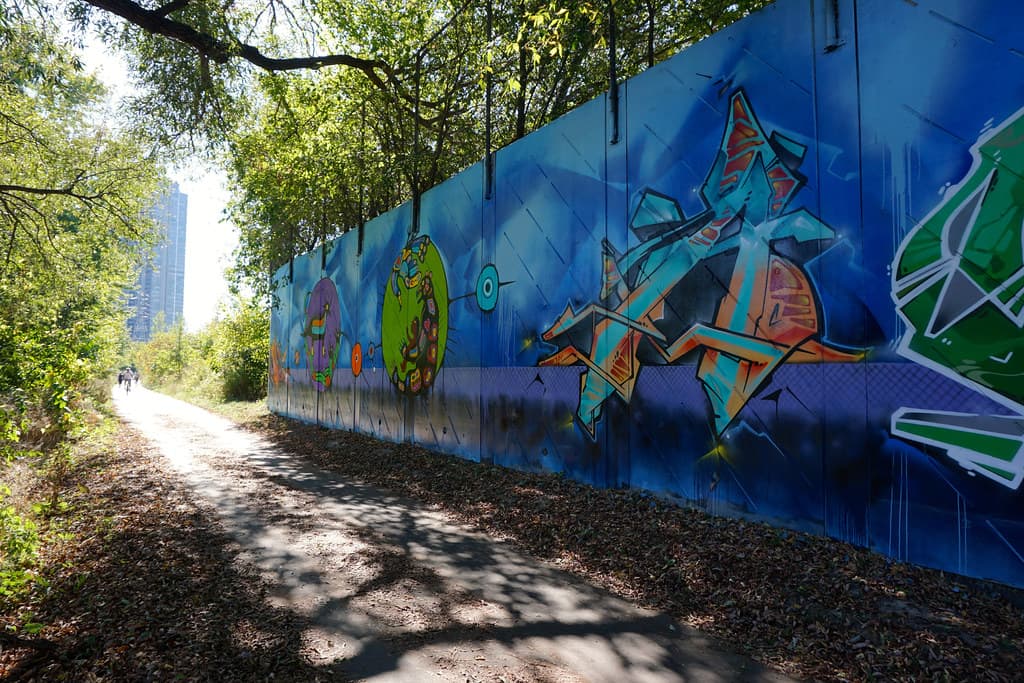
Humber Treatment Plant Murals (2017)
Wander along the Humber Recreational Trail and let this striking large-scale mural stop you in your tracks. Collaboratively painted by artists Philip Cote, Kwest, Jarus, and Kane in 2017, the work beautifully bridges Indigenous teachings with bold contemporary abstract styles — a visual conversation between tradition and street art energy. It's the kind of unexpected cultural moment that makes an evening walk along the trail feel like so much more than just exercise.

Birchmount Fire Hall
Step into Scarborough's storied past at the Birchmount Fire Hall, the township's very first fire station, built in 1925 and brimming with local character. This lovingly preserved historic site once housed both the fire and police departments, and today its museum collection brings early 20th-century community life vividly to life. It's a surprisingly rich after-work detour for anyone curious about the people and institutions that shaped this corner of the city.

Bank Of Commerce/Council Chambers
Step back into Scarborough's civic past at this storied Kingston Road building, where local council once debated the township's future on its second floor through the 1940s. It's a quiet but fascinating slice of Toronto's pre-amalgamation history, tucked into a stretch of the city most visitors overlook. History buffs and curious locals alike will appreciate the layered stories embedded in its walls.

Donald D. Summerville Olympic Pool
Dive into one of Toronto's most architecturally striking public pools, perched dramatically above the lakeshore with a modernist flair that feels more resort than municipal. The Summerville Olympic Pool is a beloved East End gem that draws lap swimmers and casual splashers alike, all with the glittering lake as a backdrop. Pack your suit after work and let the open water views and retro cool of this 1960s landmark turn your Tuesday into something worth remembering.

Golden Mile of Industry, Victoria Park Avenue and Eglinton Ave.
Explore a fascinating and often overlooked chapter of Toronto's industrial and wartime history along Eglinton Avenue East, once known as the Golden Mile of Industry. This stretch was home to a massive munitions plant before Scarborough Township reimagined the land for postwar growth — laying the groundwork for the suburb we know today. It's a thought-provoking evening walk for anyone curious about how the city's east end went from wartime production hub to thriving community.
The Victoria Park Hub
Connect with a welcoming community hub that's been a lifeline for newcomer women across Toronto. The Working Women Community Centre at Victoria Park offers programs and services in an impressive 25 languages, making it one of the city's most inclusive gathering spaces. Whether you're looking to get involved as a volunteer or simply explore what's available, this is a meaningful place to spend an after-work evening giving back or finding your footing in a new city.

Discover Wexford
Uncover the surprisingly layered history of Wexford, a Scarborough neighbourhood that once sat at the crossroads of rural Ontario and the bustling Dawes Road — one of the province's busiest thoroughfares back in the 1830s. Strolling through this area near the Don Valley, you'll find echoes of its industrial and commercial past woven into the fabric of its streets and buildings. It's a genuinely rewarding after-work wander for anyone who loves discovering the deeper stories hiding in plain sight across the city.

Rising Sun Inn
Wander to the corner of Pharmacy and Lawrence to stand at the very crossroads where the Wexford community was born in the 1840s, anchored by a lively inn that eventually gave the neighbourhood its Irish-inspired name. It's the kind of low-key historical detour that makes you see a familiar intersection in a completely new light. A perfect micro-adventure for anyone who loves uncovering the quiet origin stories woven into Toronto's east end.
Ashtonbee Reservoir Park and Wexford Park
Stretch your legs across this generous 9.2-hectare greenspace sitting atop an active city reservoir — a quirky piece of Toronto infrastructure hiding in plain sight. Ashtonbee and Wexford Park together offer cricket pitches, multipurpose sports fields, and wide open lawns perfect for an after-work wind-down. Whether you're up for a casual kick-around or just want fresh air away from the screen, this east-end park delivers without any fuss.

Wexford Collegiate School for the Arts
Head east to catch a glimpse of one of Toronto's most vibrant arts-focused schools, where the next generation of performers, visual artists, and musicians are honing their craft. Wexford Collegiate School for the Arts has been a creative cornerstone in Scarborough since the 1960s, and its celebrated Wexford Gleeks have put the school on the national map. If you time your visit right, you might catch a rehearsal or performance spilling out into the neighbourhood.

Historic Street Mural
Slow down and take in a piece of Toronto's neighbourhood history painted right onto the street. This commissioned mural along Eglinton Avenue West brings an old-school streetscape to life, offering a quiet moment of civic pride on an otherwise ordinary evening stroll. It's the kind of public art that rewards those who look up — or in this case, around — and actually pay attention to their surroundings.

Wexford Presbyterian Church
Discover a quietly remarkable piece of mid-century architecture tucked into a residential stretch of Scarborough. Wexford Presbyterian Church's twelve-sided structure, each face crowned with a soaring pointed window, is a stunning example of modernist ecclesiastical design that often goes unnoticed. Even if you're just passing by, pausing to take in the building's geometric boldness makes for an unexpectedly enriching after-work detour.

Winter Stations
Wander along the East End shoreline this winter and discover something unexpected — lifeguard stations transformed into bold, imaginative art installations by designers from around the world. WinterStations runs from February through April across Balmy, Kew, and Ashbridges Bay beaches, turning a brisk lakeside walk into a genuine cultural experience. Bring a friend, debate your favourite installation, and let the cold air and creative energy remind you that Toronto winters have their own kind of magic.

Bendale Acres Long-Term Centre Mural
Seek out this striking six-storey mural that transforms the exterior of Bendale Acres into a living community portrait. Artist Sean Martindale wove together symbols conceived by long-term care residents and local youth into a soaring tree that climbs the building's southeast corner — a rare piece of public art rooted in genuine collaboration. It's a quiet, moving stop that rewards a slow look and reminds you how much story a single wall can hold.

Lost in History
Lace up and let Scarborough's layered past unfold on this self-guided historical tour that goes far deeper than most people expect. You'll encounter the Tabor Hill Ossuary — a 13th-century Indigenous burial site of real archaeological significance — alongside the Scarborough Museum and a series of monuments that trace centuries of human life on this land. It's the kind of evening that quietly shifts how you see the city you thought you already knew.

Scarborough Museum
Wander through two centuries of Scarborough history at this charming museum nestled within the green trails of Thomson Memorial Park. Tracing the community's rural roots and the waves of immigration that shaped it, the Scarborough Museum offers a surprisingly intimate look at how this part of the city came to be. Perfect for a slow, curious evening when you want a little culture without the crowds.

East Side Mural
Step back from the Lawrence East Station entrance and take in this sprawling mural by Sady of the Graffiti Knights, a Scarborough-bred collective putting bold street art on the map. Visible from the northside of the station and the eastbound platform, the piece turns a daily commute into something worth pausing for. It's a quiet reminder that some of Toronto's best galleries have no walls — just walls.
Taste of Lawrence Festival
Celebrate the incredible culinary diversity of Lawrence Avenue East at this beloved annual street festival, where African, Caribbean, Mediterranean, and South Asian flavours spill out onto the sidewalk each July. Hosted by the Wexford Heights BIA, it's one of those only-in-Toronto moments where a single stretch of road feels like a world tour. Come hungry, stay for the community energy.
54A Lawrence East Bus
Discover a surprisingly compelling piece of Toronto transit history — the 54A Lawrence East bus holds the title of the longest TTC route running seven days a week, stretching nearly 54 kilometres across the city. A dedicated plaque near Lawrence Avenue East marks the spot and invites you to think about how arterial roads quietly shaped the communities around them. Transit nerds and urban history lovers, this one's for you.

Taste of Lawrence Festival 10th Anniversary Mural (2013)
Seek out this vibrant mural on the west wall of Wexford Heights Plaza, painted to commemorate the 10th anniversary of the Taste of Lawrence Festival. A colourful tribute to the multicultural spirit of Lawrence Avenue East, it's the kind of public art that rewards a slow look and a little context. A great stop on any east-end neighbourhood walk.

Totem Pole
Tuck this one into your next east-end park walk — a hand-crafted totem pole standing quietly in a Scarborough green space, donated by local artist Bert Small to mark Canada's 1967 centennial. Modelled after a piece in the Royal Ontario Museum's collection, it's a thoughtful tribute to Indigenous artistry and a surprisingly moving find in the middle of an otherwise everyday park. Bring curiosity and maybe a camera; this one's worth lingering over.

Woodbine Beach
Head east and let Woodbine Beach do what it does best — decompress you. This sprawling lakefront stretch offers soft sand, open water views, and just enough space to feel like you've genuinely escaped the city grid for an evening. Once a wooded retreat known as 'The Cut,' it's now a beloved urban beach with a rich layered history tied to Toronto's early waterfront communities. Whether you're throwing a frisbee, wading in, or simply sitting with a coffee and watching the lake, this is an after-work reset that costs absolutely nothing.

Native Trees of Toronto Utility Box
Pause on your evening walk to take in this beautifully detailed utility box mural by artist Jasmin Liu, tucked away at the corner of Scarborough Golf Club Road and Marcella Street. Each carefully rendered leaf is numbered and keyed to a list of Toronto's native tree species, turning a humble piece of street infrastructure into an outdoor nature lesson. It's a small, delightful discovery that makes the city feel a little more alive and a lot more thoughtful.

Cedar Ridge Creative Centre
Explore one of Toronto's most charming cultural gems — a City-run arts centre tucked inside a beautifully preserved 1912 mansion surrounded by lush gardens. The Cedar Ridge Gallery champions contemporary local artists and community-driven exhibitions, making it the kind of place you wander into after work and lose an hour without noticing. Whether you're an art enthusiast or simply craving a quieter, more inspiring end to your day, this hidden east-end retreat delivers something genuinely special.

Masaryk Memorial Institute
Discover the Masaryk Memorial Institute, a warm and welcoming cultural hub dedicated to preserving the rich Czech and Slovak heritage of Canadians who sought refuge from fascism and communism across two tumultuous decades. With a rotating slate of programs, events, and community gatherings, it's a place where living history meets real human connection. Drop by after work to learn something meaningful, meet passionate community members, and appreciate the resilience woven into Toronto's multicultural fabric.

Secor Cairn
Seek out the Secor Cairn, a striking 1938 stone monument quietly standing in Scarborough that brings together twelve historic gravestones, most belonging to the Secor family, with roots reaching back to 1819. Erected in honour of Peter Secor — the very first Reeve of Scarborough Township — it's a rare open-air history lesson hiding in plain sight. Perfect for the after-work explorer who finds meaning in pausing at the places where a city's founding stories are literally set in stone.

St. Andrews Church Cemetery
Explore a remarkably well-preserved 19th-century cemetery that sits on what was once the Thomson family farm, one of Scarborough's founding properties. Weathered tombstones from the 1800s and a cairn-style plaque commemorating the Thomson Settlement give this quiet green space an unexpectedly moving depth. It's a rare kind of after-work pause — reflective, unhurried, and genuinely rooted in the land beneath your feet.

Springfield Farmhouse
Step back more than two centuries at the Springfield Farmhouse, a beautifully preserved stone home built in 1840 from fieldstones gathered right off the surrounding land. As one of the earliest Scottish settler homesteads in Scarborough, it carries a quiet, tangible weight of history that rewards a thoughtful visit after work. It's the kind of place that makes you pause, look around, and appreciate just how layered this city really is.

St. Andrews Church and Centennial Library
Discover the spiritual and civic heart of old Scarborough at St. Andrews Church, home to a congregation that's been gathering since 1818 — making it the oldest in the former city. The site has evolved beautifully over the centuries, pairing its historic stone church with a centennial library that speaks to the community's enduring commitment to both faith and knowledge. It's a grounding, contemplative stop that feels worlds away from the downtown rush.
St. Andrews Road
Wander one of Toronto's most quietly compelling historic corridors, where a winding road traces the path of West Highland Creek through land once known as the Thomson Settlement — Scarborough's earliest European community. Century-old buildings line the route like pages from a living history book, making this an ideal after-work stroll for anyone craving a slower pace and a deeper connection to the city's roots. Bring good shoes, a curious mind, and maybe a friend who appreciates a good story.

Miller Lash House
Escape the grid entirely at this beautifully preserved heritage estate nestled in the Highland Creek valley, just east of the city's usual orbit. The Miller Lash House grounds offer a rare pocket of natural calm — think mature trees, lush greenery, and a historic early-20th-century home with real character. It's the kind of after-work detour that feels like a secret, perfect for a quiet walk or a slow exhale before heading home.

Ashbridges Bay Park
Head east along the waterfront to Ashbridges Bay, a sprawling lakeside park with a rich and layered natural history stretching back to ancient sand dunes and vast wetlands. Today it's a favourite for cyclists, dog walkers, and anyone who just wants to sit near the water and decompress after a long day. The sunsets here — framed by the lake and a wide open sky — are genuinely among the city's finest.

Community Spirit in East Scarborough
Explore the evolving urban landscape of West Hill on this community-focused walking tour along Highland Creek. Discover how local arts organizations and grassroots community groups are breathing new life into a neighbourhood that was once dense old-growth forest. It's a grounding, eye-opening way to spend an after-work evening — connecting with the living culture and quiet history of east Toronto's often-overlooked corners.

Lawrence Avenue Bridge
Cross the Lawrence Avenue Bridge for sweeping views of the Highland Creek Watershed — a surprisingly lush slice of nature tucked right into the urban fabric. The walkway walls come alive with vivid stenciled murals created by local youth under the guidance of artists Rob Matejka and Tara Dorey through a Mural Routes initiative, turning the bridge into an open-air gallery. It's the kind of spot that reminds you Toronto rewards the people who look up — and over the railing.

Highland Creek
Trade the office for the trail and explore Highland Creek Valley, a surprisingly wild green corridor that winds from north of the city all the way down through Scarborough to Lake Ontario. Despite decades of urban development around it, the valley has held onto stretches of genuine natural beauty — towering trees, creek-side paths, and the kind of quiet that resets your whole week. Lace up after work and let one of Toronto's most underrated natural escapes do its thing.

Scarborough Child and Family Life Centre (Richard Eade House)
Discover a beautiful piece of Toronto's architectural history at Richard Eade House, a restored Victorian building that now serves as a vibrant community hub for Native Child and Family Services of Toronto. The thoughtful 2011 extension blends heritage charm with modern purpose, creating a welcoming space where culture, family, and community care intersect. It's a quiet reminder that some of the city's most meaningful spaces aren't in the downtown core — they're worth the trip east.

Richardson House
Step back in time at one of Scarborough's most charming surviving pioneer homes. Built in 1824 by an Irish immigrant family, this two-storey gem tells a quiet story of early Upper Canadian life — its wooden frame eventually bricked over as the family put down deeper roots. Wander up Old Kingston Road and let the architecture do the talking; it's a surprisingly moving slice of history hiding in plain sight.

St. Margaret-in-the-Pines
Visit the oldest Anglican church site in Scarborough, where history has quite literally risen from the ashes. The original wooden chapel dating to 1833 was lost to fire in 1904, but what replaced it carries that same sense of quiet permanence — set among pines with a brick parsonage that housed clergy for a full century. It's the kind of peaceful, storied spot that rewards a slow afternoon and a curious mind.

Richardson-Corson House
Stroll past this graceful Queen Anne-style home and you're walking through over a century of Scarborough community history. Built in 1904 by John Hunter Richardson — the man who helped establish the West Hill Post Office and later served as Scarborough Township's treasurer — the house stands as an elegant reminder of the area's civic roots. It's a lovely, unhurried stop on any heritage walk through the neighbourhood.

Malvern Library
Tuck into an after-work visit at Malvern Library, a quietly impressive community resource that goes well beyond books. Nestled inside the Malvern Community Recreation Centre, it offers programs for all ages alongside multilingual collections spanning English, Chinese, French, Gujarati, Hindi, Tagalog, and more. The youth hub adds an especially welcoming energy — this is a library that genuinely reflects and serves the rich diversity of its neighbourhood.

ARTSIDEOUT
Clear your calendar for this vibrant, student-led arts festival that transforms the UTSC campus into a playground for the curious and the creative. ARTSIDEOUT packs a single day with site-specific installations, live performances, film screenings, and gallery exhibitions — all free and open to the public. Bring a friend, wander with intention, and let the energy of Toronto's emerging arts community remind you why this city's creative scene is so worth celebrating.
Gallery 1265
Step into a quietly compelling gallery space where emerging student artists, curators, and arts managers bring their boldest ideas to life. Gallery 1265 is a student-run gem tucked inside UTSC's Andrews Building, offering rotating exhibitions that feel fresh and genuinely experimental. It's the kind of place where you might discover your next favourite artist — and admission is always free, making it an easy yes for a curious after-work wander.

Leigha Lee Browne Theatre
Catch a live performance at one of Toronto's most beloved campus theatres, tucked inside the UTSC campus on Military Trail. Named after a transformative drama instructor, this intimate venue has been drawing audiences since 1993 with everything from world-class musical acts to bold student theatre productions. It's the kind of place where you stumble onto something unexpectedly moving — a great excuse to venture east and see what's on the stage this week.

A Tall Couple
Seek out this striking bronze sculpture on the UTSC campus and you're looking at a genuine piece of Expo 67 history. Created by acclaimed Montreal sculptor Louis Archambault, the abstracted modernist figures were gifted to the university by the House of Seagram after wowing visitors at the Canadian Pavilion in Montreal. It's a quietly wonderful outdoor art moment — the kind of discovery that makes a campus walk feel like a proper cultural outing.

Andrews Building
Discover one of Canada's most daring examples of Brutalist architecture right on the UTSC campus. Designed by celebrated Australian architect John Andrews and opened in 1966, this poured-concrete megastructure was ahead of its time and turned heads around the world. Wander its raw, interconnected corridors and you'll understand why it remains a landmark worth seeking out for architecture lovers and design nerds alike.

Highland Creek Public School
Step past the front facade of Highland Creek Public School and you're looking at over a century of community history written in brick and mortar. Originally opened in 1918 as a modest two-room schoolhouse serving the West Hill and Highland Creek neighbourhoods, the building grew alongside the people it served through the 1940s and '50s. It's a quiet, grounding stop for anyone who loves discovering the deep roots hiding in plain sight across Toronto's east end.

Framing Dames
Discover Framing Dames, a wonderfully eclectic Kingston Road shop that elevates the art of framing into something genuinely special. Whether you've got a cherished piece of needlework, a quirky three-dimensional object, or a print that deserves museum-quality treatment, the team here brings serious craft and care to every project. Drop in to browse their art supplies, check out the intimate gallery space, or sign up for one of their hands-on art classes.

Creekside Mural or Eastern Gateway Mural
Head east to Old Kingston Road and be greeted by one of Scarborough's most vibrant public artworks. Designed by Emily Harrison and brought to life with the help of nine young local artists, this nature-themed mural bursts with the flora and fauna that make south Scarborough's green corridors so special. It's the kind of piece that makes you slow down, look closer, and feel genuinely good about the city you live in.

Malvern Underpass Mural (2015)
Take a detour under the Morningside Avenue underpass and let this bold community mural stop you in your tracks. Created in 2015 by local youth working alongside lead artist Brad MacMillan and StreetARToronto, the piece bursts with neighbourhood pride — skateboarders, basketball courts, a grizzly bear, and street signs declaring 'I Love Malvern' all share the same vivid wall. It's public art at its most personal, and a reminder of what a community looks like when it tells its own story.

Rella Braithwaite
Pay tribute to Rella Braithwaite, historian, writer, and trailblazer, whose family helped shape Scarborough's Black history when they settled in Port Union in 1946. This commemorative landmark near Lawson and Centennial Roads honours her legacy and connects visitors to a deeper, often overlooked chapter of Toronto's story. It's a quietly powerful stop that invites reflection — perfect for a thoughtful after-work detour that leaves you with something meaningful to carry home.

Puzzle Mural
Seek out the Puzzle Mural on the exterior of Youthlinks on Warden Avenue, a colourful and thoughtful work that uses interlocking puzzle pieces to visualize the bonds between people, organizations, and communities. Conceived by artist Elaine Teguibon through Mural Routes' Leadership Training in Mural Making program, the piece is as meaningful as it is eye-catching. It's a quick but rewarding after-work stop that reminds you how art can make abstract ideas — like belonging and connection — feel beautifully tangible.

Art Discovery Tour
Wander through one of Toronto's most underrated open-air galleries, where decades of large-scale murals transform everyday walls into vivid storytelling. Stretching across South Scarborough near Warden and Eglinton, each piece weaves together themes of history, nature, and community pride. It's the kind of self-guided stroll that surprises you at every corner — ideal for a low-key after-work reset with a friend or a solo creative wander.

Passage to Port Union
Discover the Passage to Port Union mural — a sweeping, community-driven artwork that maps the full arc of Port Union's history, from its pre-settlement landscape right through to today. Led by artist Allan Bender of Blinc Studios in partnership with the Centennial Community and Recreation Association, the piece reflects genuine local input and collective pride. It's the kind of mural you read like a story, and one that makes the neighbourhood feel richer for having it.

Scarborough Archives
If you've ever been curious about the stories behind Scarborough's streets and neighbourhoods, the Scarborough Archives is your kind of place. Run by the dedicated Scarborough Historical Society — active since 1956 — it's a living repository of local memory, with collections that bring the area's past into vivid focus. The heritage building alone is worth the visit, and the volunteers here have a contagious enthusiasm for sharing everything they know.

Community Spirit in Highland Creek Mural
Stroll out to Old Kingston Road and step into a living piece of Toronto's past. This striking mural by artist John Hood captures a community rallying together to build a church addition in the winter of 1867 — a moment of collective warmth frozen in paint. It's a quiet, reflective stop that rewards the curious, especially paired with a walk through the surrounding neighbourhood and its storied cemetery.

Flight
Seek out Flight on Danforth Road and let this sweeping mural stop you in your tracks. Inspired by the monarch butterfly's remarkable migration, the piece weaves together themes of movement, transition, and transformation across a series of interlocking wood panels that fit together like a mosaic puzzle. Created through the Mural Routes Summer Youth Program, it's a testament to what young artists can conjure when given space, mentorship, and a big enough wall.

York Civic Centre
Wander through a quietly fascinating piece of Toronto's civic history at the York Civic Centre, a mid-century building that witnessed the city's dramatic municipal evolution firsthand. Built in 1950 and shaped by decades of amalgamation and growth, the architecture itself tells a layered story of how Toronto came to be. It's the kind of low-key, thought-provoking stop that rewards the curious after-work explorer with a deeper sense of the city they call home.

Burrows Hall
Step into Burrows Hall and experience a community library that genuinely reflects the rich cultural fabric of its neighbourhood. Part of a larger complex with the Chinese Cultural Centre of Greater Toronto, the collection spans multiple languages with a particularly strong Chinese-language selection — making it a welcoming space for curious minds of all backgrounds. Whether you're browsing, studying, or connecting with local programs, it's a calm and enriching way to wind down after work.

Little Gem
Wander along Kingston Road and pause at this quietly beautiful mural by artist Tara Dorey, part of the ongoing Birch Cliff Community Mural Project. Slender birch trunks rise against a dense forest backdrop, all softened by an open wash of pale blue sky above — it's peaceful in the way a good painting in a favourite café can be. Small in scale but big on charm, it's the kind of neighbourhood detail that makes the east end feel like it's worth exploring slowly.

Birch Forest
Stroll over to Kingston Road to take in this striking three-storey mural blanketing the east wall of Birch Cliff Public School. Designed by artist Rob Matejka and brought to life by Mural Routes' youth painters, the towering birch trees feel like a slice of boreal forest dropped into the east end. It's a quiet, unhurried stop that rewards anyone who takes a moment to look up and appreciate the scale of community-driven public art.

Birches at Sunset
Catch the warm, golden glow of this beautifully rendered birch tree mural as the evening light does its best work along Kingston Road. Painted by artist Tara Dorey alongside local youth as part of the Birch Cliff Community Mural Project, it carries a real sense of collective pride and creative care. It's the kind of neighbourhood gem that makes an after-work walk feel like something worth looking forward to.

Warden Underpass Mural
Take a stroll beneath this striking underpass mural and let Scarborough's history unfold across both walls in vivid, sweeping colour. Artist De Anne Lamirande brings the iconic Scarborough Bluffs and the area's rich Indigenous and settler past to life in a way that turns an everyday commute into a moment of genuine discovery. It's a beautiful reminder that some of Toronto's most compelling art lives not in galleries, but right out in the open air.

Scarborough Arts, The Bluffs Gallery, Mural Routes and Monarch Butterfly Mural
Discover the heart of Scarborough's local art scene at the Bluffs Gallery, a welcoming space championing emerging and community artists. Step inside to wander thoughtfully curated exhibitions that reflect the neighbourhood's vibrant cultural identity. Whether you're an art lover or simply curious, this non-profit gallery offers a genuinely enriching after-work detour that feels personal, unhurried, and full of local soul.

The White Stag by Ted Hamer (2016)
Discover one of Toronto's most enchanting pieces of public art tucked along Kingston Road. Artist Ted Hamer transformed a humble utility box into a portal of mythology, painting a luminous white stag with golden antlers nestled among silver birch trees in full autumn bloom. It's the kind of quiet, unexpected find that makes an evening walk feel genuinely magical — keep your eyes open and let the legend of the white stag lead you somewhere surprising.

Birches and Bluffs
Stroll past this striking two-storey mural on Kingston Road and feel the unmistakable pull of Toronto's natural landscape rendered in vivid colour. Artist Tara Dorey weaves together delicate birch trees and the dramatic contours of the nearby Scarborough Bluffs, turning an ordinary storefront into a love letter to the east end. It's a perfect pause on an after-work wander — one of those effortlessly beautiful spots that reminds you the city is full of art hiding in plain sight.

Bell Box Mural by Ruth Hurdle (2016)
Slow down at this clever little Bell Box mural by Ruth Hurdle and let yourself play a quiet game of visual discovery. The piece layers warm autumn foliage across a grove of birch trees, but the real treat is hidden in the bark — look closely and you'll find letters spelling out the street name Lynn, a charming nod to the neighbourhood's identity. It's the kind of detail that rewards curious, unhurried walkers with a genuinely delightful moment.

Islamic Institute of Toronto
Explore one of Toronto's most thoughtful educational institutions, where post-secondary courses in Arabic Language, Islamic History, Ethics, and Comparative Religion are offered to curious minds of all backgrounds. The Islamic Institute of Toronto has been a cornerstone of community and civic engagement since 1996, making it a genuinely enriching stop for anyone eager to broaden their perspective. Drop in to learn more about their programming and upcoming community events.

Taj Mahal, India (2016)
Step off Gerrard Street East and into a moment of unexpected wonder with this vivid mural tribute to the Taj Mahal, one of seven world wonders celebrated through StreetARToronto's ambitious global mural project. It's a beautiful reminder that Toronto's streets hold multitudes — cultures, histories, and landmarks from across the world rendered in bold, accessible art. A perfect detour for curious after-work wanderers who want a little perspective with their evening commute.

Chrysalis
Pause in front of this striking mural on Kingston Road and let its imagery of monarch butterflies and migration wash over you. Created in collaboration with Bluffers Tales — a Scarborough storytelling collective — the piece weaves together real immigrant journeys into a visual narrative about transformation and belonging. It's equal parts public art and community portrait, and one of those rare works that genuinely earns a moment of quiet reflection.

Greeting to Taniperla (at the Scarboro Mission)
Stand in front of a mural that carries extraordinary weight — a recreation of a community artwork originally painted by Tzeltal Mayan villagers in Chiapas and later destroyed by military forces. Initiated by the Red Tree Collective at the Scarboro Mission on Kingston Road, Greeting to Taniperla is a powerful act of cultural memory and solidarity, rendered in vivid imagery rooted in Indigenous tradition. It's the kind of public art that stops you mid-stride and stays with you long after.

H.M. Schooner, Onondaga c. 1793
Discover a vivid piece of public art that brings early Canadian maritime history to life right on Kingston Road. Painted by Jeff Jackson in 1992, this sweeping mural depicts the H.M. Schooner Onondaga — a vessel that once carried Lieutenant Governor John Graves Simcoe and his wife Elizabeth across Lake Ontario in the 1790s. It's the kind of street-level gem that rewards the curious walker with both beauty and an unexpected history lesson.

Scarborough War Memorial
Pause for a moment of quiet reflection at one of Scarborough's most enduring landmarks. The Scarborough War Memorial, crafted from limestone and bronze and unveiled in 1931, carries the weight of history with understated dignity — unveiled by no less than Fleet Admiral Earl Jellicoe himself. It's a meaningful detour that invites you to slow down, read the names, and connect with the neighbourhood's deeper story.

The Bluffs As Viewed By Elizabeth Simcoe c, 1793.
Seek out this stunning large-scale mural by artist Risto Turunen, which reimagines the Scarborough Bluffs as Elizabeth Simcoe first saw them from the water in 1793 — so moved she named them after the cliffs of Scarborough, England. It's a beautiful collision of art, history, and landscape that stops you mid-stride on Kingston Road. Perfect for a contemplative solo detour or a conversation-starting walk with a friend.

Spooner's Garage
Discover a compelling two-panel mural by Phillip Woolf that captures Spooner's Garage across two eras — 1926 and 1947 — painting a vivid portrait of resilience and everyday Toronto life. The story behind it is just as rich: owner Art Spooner kept the business alive through the Great Depression by pivoting to driving lessons. It's the kind of public art that rewards a closer look and sparks genuine curiosity about the city's working-class history.

Cliffside Golf Course
Wander the grounds of what was once one of Toronto's earliest golf clubs, founded in 1931 and perched with sweeping views of Lake Ontario. The Cliffside Golf Club operated for nearly two decades before giving way to the city's postwar growth along Kingston Road. Today, exploring this storied stretch feels like stepping into a quieter chapter of Toronto's past — a meditative, history-rich stroll for curious minds.

Hillside Public School
Discover Hillside Public School, a rare surviving one-room schoolhouse from 1853 that has been thoughtfully repurposed as one of the TDSB's outdoor education centres. Still buzzing with the energy of curious students learning hands-on in nature, this heritage gem is a delightful reminder of how education once looked — and still can. A quiet, reflective stop for anyone who loves history with a side of green space.

Owl Mural
Seek out this beloved neighbourhood landmark on Danforth Avenue, where a restored owl mural has watched over the street since the mid-1970s. Originally painted to embody the spirit of a local auto shop's motto, the image weathered decades before receiving a careful revival that honours its quirky origins. It's a small but deeply satisfying detour — the kind of hidden-in-plain-sight gem that makes wandering Toronto's east-end streets endlessly rewarding.

Warden Woods
Escape the city grind by wandering through one of Toronto's most quietly stunning green spaces. Warden Woods is a rare pocket of old-growth forest that somehow dodged the bulldozers, weaving alongside Taylor Massey Creek with a richness that feels genuinely wild. The Gus Harris Trail winds through towering canopy and rustling undergrowth — perfect for a slow after-work decompress where the only notifications are birdsong.

The Crossroads of the Danforth BIA
Head east along the Danforth into the Crossroads BIA, a distinct neighbourhood hub known for its automotive character and tight-knit business community. Established in 2008, the area comes alive with signature community events like Wheels on the Danforth — a celebration of car culture that draws locals out in full force. Even on a regular evening, this stretch has an easygoing, neighbourhood-pub energy that makes it worth the trip beyond the usual Danforth haunts.

Humber River Pedestrian Bridge
Walk or cycle across the iconic Humber River Pedestrian Bridge, a graceful 200-tonne steel arch that has anchored the mouth of the Humber since 1996. The design pays quiet homage to the river's deep Indigenous history, making every crossing feel like more than just a commute. Whether you're winding down a run along the Humber Recreational Trail or simply chasing golden-hour views over the water, this landmark delivers one of Toronto's most scenic and soulful after-work escapes.

Great Horned Owl Mural
Stroll along Danforth Avenue and pause to take in this striking mural by local artist Magicfinnga WonG — a commanding great horned owl rendered with the flowing lines and rich symbolism of West Coast Indigenous art. Surrounding the owl, circular vignettes draw your eye through cosmic scenes, natural landscapes, and delicate depictions of fish and feathers. It's a quiet, meditative stop that rewards a slow look and a moment of reflection.

Pollination of Oakridge Mural
Wander over to the side wall of Chopstick Foods on Danforth and discover De Anne Lamirande's vibrant ode to the natural world. Buzzing bees and a monarch butterfly take centre stage in a design meant to spark conversation about pollinator conservation and environmental awareness. It's the kind of neighbourhood mural that stops you mid-commute and reminds you why public art matters.

Variety Village
Discover one of Toronto's most inclusive community fitness hubs, where sport becomes a tool for connection and empowerment. Variety Village welcomes everyone — with a particular heart for young people with disabilities and developmental barriers — offering integrated sports programs, life skills workshops, and a genuinely welcoming atmosphere. Whether you're looking to stay active after work or simply be part of something meaningful, this Danforth Avenue gem reminds you that movement is for everybody.

Outside the Box Mural by Iva Jericevic
Wander over to the corner of Wilson and Dubray to catch this striking outdoor mural by artist Iva Jericevic, a vibrant splash of colour tucked into an everyday neighbourhood streetscape. It's the kind of low-key discovery that makes a post-work walk feel like a mini gallery tour. Bring a coffee, take it in, and appreciate how Toronto's streets double as an open-air canvas.

Universal Declaration of Human Rights Article #27 Mural and Scarborough Village Theatre
Seek out this vibrant community mural on Kingston Road, where local youth channelled creativity into a powerful celebration of human rights and global diversity. Painted in 2008 as part of Amnesty International's initiative, the sprawling artwork weaves together a world map and images of people making art, music, and meaning together. It's the kind of public piece that stops you mid-stride — a reminder that neighbourhood walls can carry big, beautiful ideas worth pausing for.

Toronto and Scarboro' Electric Railway
Track down a fascinating slice of Toronto transit history at Kingston Road and Blantyre Avenue, where the city's first electric radial railway launched on Canada Day back in 1893. Some 12,000 passengers turned out to ride the line on opening day — a testament to just how electrifying (literally) the moment was. It's a great spot to pause on an evening walk and imagine the city before subways, when a streetcar to Scarborough felt like a genuine adventure.
The Variety Club
Step into a piece of living history at this East Toronto landmark with a legacy woven into the very fabric of community entertainment and civic goodwill. With origins tracing back to a celebrated entertainment fraternity founded in 1920s Pittsburgh, the Variety Club's Toronto presence carries a warm, storied character that few venues can match. Visiting feels like uncovering a corner of the city that time has treated kindly.

Scarborough Village Theatre
Catch a live performance at one of Toronto's most storied community theatre venues, home to three distinct companies with roots stretching back decades. Scarborough Village Theatre pulses with the kind of grassroots creative energy that big downtown stages rarely replicate — intimate, passionate, and genuinely community-driven. Whether it's a musical, a drama, or an experimental production, an evening here feels like being let in on something special.

Scarborough Bluffs Refreshment Room
Uncover a quiet slice of Scarborough's recreational past at this historic site, once a beloved lakeside stop known fondly as Stinson's Shop. Back in the late 1800s, the Cliffside area between Kingston Road and Lake Ontario drew Torontonians seeking fresh air and leisure — and this refreshment room was right at the heart of it all. Today it's a charming heritage landmark worth a gentle evening detour.

St. Augustine's Seminary
Step onto the grounds of one of Toronto's most quietly magnificent historic institutions, a century-old seminary whose stone architecture tells a story of ambition, faith, and community. St. Augustine's Seminary has been shaping spiritual and civic life in the city since 1913, and its campus offers a genuinely serene escape from the after-work rush. Wander the heritage grounds and let the layers of Toronto history wash over you — no ticket required.

Cornell Campbell House
Explore one of Scarborough's earliest settler stories at the Cornell Campbell House, a heritage site rooted in the very founding fabric of Toronto's east end. Tracing back to William Cornell's arrival in 1799, this landmark connects you to the pioneering families who literally carved roads through the forest and shaped the neighbourhoods we live in today. It's a quiet, grounding stop for history lovers keen to read the city's landscape a little more deeply.

Fools Paradise
Visit the storied lakeside property where beloved Canadian painter Doris McCarthy lived and worked for over seven decades, perched dramatically above the Scarborough Bluffs. Now a heritage site open to the public, Fool's Paradise offers a rare glimpse into the life of an artist who found her muse in this wild, windswept landscape. Come for the history, stay for the jaw-dropping views of Lake Ontario stretching to the horizon.

Passage
Seek out this striking steel sculpture along the Doris McCarthy Trail and take a moment to appreciate how art and landscape can speak to each other so beautifully. Created by sculptor Marlene Hilton Moore, Passages draws on the elegant geometry of fish ribs and canoe hulls to honour McCarthy's deep connection to water and movement. It's a quiet, thought-provoking stop that rewards those who slow down and look closely.
Bellamy Ravine
Follow the Doris McCarthy Trail into Bellamy Ravine and walk a path steeped in surprisingly colourful history — this very gully was once a smuggler's corridor in the 1830s, used to sneak tea, tobacco, and contraband past customs along Lake Ontario. Today it's a peaceful green corridor connecting Kingston Road to the waterfront, perfect for decompressing after work with a bit of wild city nature underfoot. History and fresh air, all for free.

Doris McCarthy Trail
Lace up and lose yourself on the Doris McCarthy Trail, a sweeping 24-hectare ravine route that winds dramatically down the Scarborough Bluffs toward the shores of Lake Ontario. The nearly 90-metre descent takes you through lush natural corridors alongside Bellamy Creek, where city noise fades fast and the landscape does all the talking. It's the kind of after-work escape that feels far more remote than it actually is.

Lakeside Parks
Lace up and explore the string of lakeside parks that define Scarborough's stunning natural edge. This scenic tour connects Rosetta McClain Gardens, Bluffer's Park, and the Doris McCarthy Trail — a trio that rewards walkers with dramatic bluff views, native woodland, and an impressive diversity of birds and wildlife. Whether you're after a brisk after-work hike or a slower, more meditative wander, this route delivers serious payoff for zero dollars.

Rosetta McClain Gardens
Perch yourself above Lake Ontario at one of Toronto's most quietly spectacular green spaces. Rosetta McClain Gardens offers sweeping blufftop views alongside manicured rose beds, a rock fountain, and a vine-draped pergola that feels almost European in its charm. With over 100 bird species passing through and plenty of tucked-away benches, this is the perfect spot to trade your office chair for fresh air and let the week slowly melt away.

Arts in the Guild Tour
Wander through a living chapter of Toronto's creative history on this self-guided tour of the Guildwood neighbourhood. Rooted in a bohemian artists' colony founded in the 1930s, the area bears the lasting imprint of visionary patrons Rosa and Spencer Clark, whose passion for art and community shaped everything around you. It's the kind of after-work detour that feels equal parts cultural discovery and peaceful evening stroll — no museum ticket required.

Temple Building
Step into Toronto's architectural past with a visit to the striking Temple Building fragment at Guild Park and Gardens. This salvaged piece of stone is all that remains of what was once the tallest building in the British Empire — a bold slice of history hiding in plain sight. Strolling among the garden's collection of rescued architectural relics feels like a free, open-air museum experience that most Torontonians have never stumbled upon.

Eglinton West Station
Duck into Eglinton West Station and look up — the soaring concrete waffle ceiling with its inset skylights is a quiet masterpiece of Brutalist design that most commuters rush past without a second glance. Large wraparound glass panels create the striking illusion that the ceiling is hovering in mid-air, while sand-blasted concrete and warm brick add unexpected texture throughout. It's the kind of architectural gem that rewards a slow, curious after-work detour.
The Women's Royal Naval Service
Uncover a lesser-known chapter of Canadian wartime history right in the heart of the Guild Inn's storied grounds. During the Second World War, this elegant property was transformed into a training base and military hospital for the Women's Royal Naval Service, where the arts and crafts facilities offered soldiers a rare form of creative healing. Walking these grounds today carries a quiet weight — a reminder that beauty and resilience have always shared the same space here.

The Guild Inn Estates (Bickford House)
Wander the grounds of one of Toronto's most quietly remarkable heritage properties, where early 20th-century architecture meets lush gardens and a fascinating layered history. The Bickford House stands as a beautifully preserved example of Period Revival and Arts and Crafts style, offering a rare glimpse into the city's architectural past without needing a museum ticket. Bring a coffee, take your time, and let the estate's storied grounds do the storytelling.

Eglinton West Growth and Transformation
Stroll one of Toronto's most storied and soulful corridors — the stretch of Eglinton West that has long been home to Little Jamaica. Walk through layers of history, from farmland to streetcar suburb to a vibrant urban community shaped by Caribbean culture, music, and resilience. It's the kind of neighbourhood walk that quietly teaches you something meaningful about how this city was built and who built it.

Osterhout Cabin
Step back nearly two centuries at the Osterhout Cabin, a beautifully preserved log structure dating to around 1850 and nestled within the magical grounds of Guild Park & Gardens. Once part of a land grant issued in 1805, the cabin eventually became part of the remarkable Clark estate — and today it stands as a quiet, atmospheric reminder of early settler life on the edge of the Scarborough Bluffs. Pair it with a wander through the sculpture garden for a genuinely transportive afternoon.

Greek Theatre
Wander into one of Toronto's most unexpected open-air gems — an outdoor theatre assembled from the salvaged limestone columns and Corinthian capitals of the demolished Bank of Toronto building. Built by the visionary Clark family, this amphitheatre inside Guild Park & Gardens carries a quiet grandeur that feels equal parts ancient ruin and living cultural space. Check local listings for seasonal performances, or simply soak in the architecture as the afternoon light plays across the stone.
Little Jamaica
Wander through one of Toronto's most culturally rich corridors, where Caribbean flavours, sounds, and traditions have shaped a neighbourhood for decades. Stroll Eglinton Avenue West between Marlee and Dufferin to discover family-run restaurants serving jerk chicken and roti, independent beauty and barbershops, and grocery stores stocked with hard-to-find Caribbean staples. It's a living, breathing community that rewards slow exploration and genuine curiosity.

TreaJah Isle
Step into one of Toronto's most beloved cultural institutions, where reggae rhythms and the smell of fresh juice collide in the best possible way. TreaJah Isle has anchored Little Jamaica for over 25 years, offering a genuine immersion into Jamaican music culture — whether you're flipping through vinyl, sipping something cold, or laying down tracks in their in-house recording studio. It's the kind of place that feels like a secret even after all this time, and exactly the sort of after-work detour that reminds you why this city is special.

Together We Grow (2018)
Seek out this vibrant street-level mural along Eglinton West, where artist Ryan Smeeton wove together the cultural threads of one of Toronto's most dynamic neighbourhoods. Commissioned by the York-Eglinton BIA, the piece centres on a hand reaching toward a rose of sharon — a symbol that bridges Caribbean spirituality, reggae culture, and the deep roots of Little Jamaica. It's the kind of public art that rewards a slow look and leaves you with a fuller sense of where you're standing.

Self-Made Suburbs
Step into a piece of Toronto's overlooked urban history right at the corner of Glenholme and Gloucester Grove. The Oakwood and Fairbank-Caledonia neighbourhoods are living examples of self-built suburbs — communities shaped by residents who literally constructed their own city, brick by brick. Strolling these streets is a quietly fascinating lesson in how Toronto's inner suburbs grew organically, far outside any master plan.
York-Eglinton BIA
Tap into the heartbeat of the Eglinton West strip through the York-Eglinton BIA, a community anchor that's been championing local businesses since 1981. Keep an eye on their calendar for Sounds of Eglinton, a beloved outdoor music festival that fills the avenue with homegrown talent every summer. Between the heritage walks and neighbourhood events, there's always a reason to explore this stretch with fresh eyes.

Bell Box Mural by Lula Lumaj (2017)
Stroll past one of Eglinton West's most vibrant pieces of street art and feel the rhythm of the neighbourhood come alive. Artist Lula Lumaj's 2017 bell box mural pays direct homage to the area's deep reggae roots, weaving together spinning records, musical notes, and the iconic red, gold, and green palette. It's a quick but genuinely moving cultural stop on any after-work wander through the west end.

Bell Box Mural by Brad Leitch (2017)
Pause on your evening walk to take in Brad Leitch's striking 2017 bell box mural — a bold, close-up portrait of a Blue Jay perched and ready for flight. The piece plays with colour and expectation, reimagining Toronto's beloved baseball symbol in an unexpected palette that makes you look twice. It's the kind of small, free discovery that makes wandering this city feel genuinely rewarding.

SKEIN Mural, Fairbank Tunnel (2014)
Discover one of Toronto's most vibrant underpasses, where a dazzling mural transforms a former industrial corridor into an open-air gallery. Artist-painted walls burst with abstracted twists of yarn — a nod to the textile factory that once operated nearby — while the pedestrian tunnels on either side flow with alternating rainbow hues. It's the kind of spot that rewards a slow evening stroll, camera in hand, as the setting sun catches every vivid colour.
Nathan Redmon
Pause at this heritage marker and take a moment to honour Nathan Redmon, a trailblazing figure in Toronto's Black history who built his own carriage business from the ground up after arriving from the United States in 1913. His story — of hard work, determination, and entrepreneurial spirit in the face of significant barriers — is woven into the very streets of what was once the Town of York. It's a quiet but meaningful stop on any self-guided neighbourhood history walk.

York Beltline Trail
Lace up your sneakers and head out on the York Beltline Trail, a beloved nine-kilometre greenway that winds through some of mid-town Toronto's most charming neighbourhoods along the route of a long-defunct Victorian-era railway. Whether you're cycling at pace or wandering slowly through dappled tree cover, the trail offers a genuine escape from the city buzz without ever straying too far from it. Golden hour on the Beltline is something Torontonians quietly treasure — and now you can too.

Serenity (2018)
Pause outside 2030 Eglinton West and let this stunning mural stop you in your tracks. Artists Alex Bacon and Christina Mazulla have rendered a graceful goldfish and lotus flower in sweeping blues, purples, and pinks — a moment of unexpected serenity on a busy urban corridor. Commissioned by the Fairbank Village BIA in 2018, it's the kind of street art that makes an ordinary errand feel like a small cultural detour.
Art in Walter Saunders Park
Wander the York Beltline Trail and discover something unexpectedly beautiful along the way. Artist Bareket Kezwer and The STEPS Initiative have woven a series of vivid, functional wayfinding markers into the landscape of Walter Saunders Memorial Park — each one quietly nodding to the area's railway and textile past. It's the kind of public art that rewards the curious walker who slows down long enough to really look.

Fairbank United Church
Step back in time at Fairbank United Church, the oldest surviving building in Fairbank Village and a quietly stunning piece of Toronto's architectural heritage. Built in 1889 from locally fired bricks, the church has preserved its original stained-glass windows and unhurried, historic character through the decades. Whether you're a history buff or simply appreciate beautiful old buildings, this is a worthwhile detour on any west-end evening walk.

Three Points Where Two Lines Meet (2018)
Pause at the unexpected traffic island where Vaughan Road slices diagonally across Bathurst Street, and take in this striking sculptural installation by Daniel Young and Christian Giroux. The large elevated structure plays beautifully with the geometry of its surroundings, nodding to the neighbourhood's deep transit history in a way that feels both monumental and site-specific. It's the kind of public art that makes you look twice and think longer.

Art Lives Here Lane
Wander through one of Toronto's most charming hidden gems — a laneway where garage doors become canvases. Born from the Kenwood Lane Art Initiative in 2015, this community-driven project has grown into a living gallery of murals, canvas works, and sculptures added by neighbours over the years. It's the kind of spontaneous, unhurried discovery that reminds you why exploring Toronto on foot is always worth it.

Ontario School of Ballet
Slip into something comfortable and discover the joy of movement at the Ontario School of Ballet, a beloved non-profit that's been shaping dancers since 1979. Whether you're drawn to the precision of classical ballet or the energy of hip hop and jazz, there's a class here that meets you where you are. It's the kind of place that makes you wonder why you ever stopped dancing in the first place.

Bell Box Mural by Karen Roberts (2017)
Pause on your evening walk to take in this vibrant Bell Box mural by local artist Karen Roberts, a personal tribute to Vaughan Road Academy painted in the school's bold red, blue, and gold. Every detail — from the iconic 'V' logo to the school mascot — carries the weight of real memory and community pride. It's the kind of public art that rewards a slow look and reminds you how much story a single street corner can hold.

Nia Centre for the Arts
Step into Nia Centre for the Arts and immerse yourself in a vibrant celebration of creativity from across the African Diaspora. From thought-provoking exhibitions to hands-on workshops and community festivals, Nia is a space where emerging artists find footing and audiences find something genuinely moving. Named after the Swahili word for purpose, it lives up to that meaning every time you walk through the door.

Bell Box Mural by Chris Perez (2017)
Seek out this vibrant bell box mural tucked at the corner of Amherst and Oakwood, where Toronto-based artist Chris Perez transforms a mundane utility box into a burst of Caribbean colour. His fluid, abstracted organic shapes evoke island landscapes without being literal — it's playful, bold, and quietly transportive. A perfect micro-detour on an evening stroll through the neighbourhood, and a reminder that public art can live anywhere.

Vaughan Road
Follow the gentle curve of Vaughan Road on foot and you're essentially tracing the path of a buried creek, one of Toronto's many hidden waterways that still quietly shape the city's layout. Originally built in 1850 as a private route to farmland, this winding diagonal street is a living piece of urban history that cuts through a neighbourhood full of character. It's a lovely after-work walk for anyone who loves discovering the city's quieter, older stories.
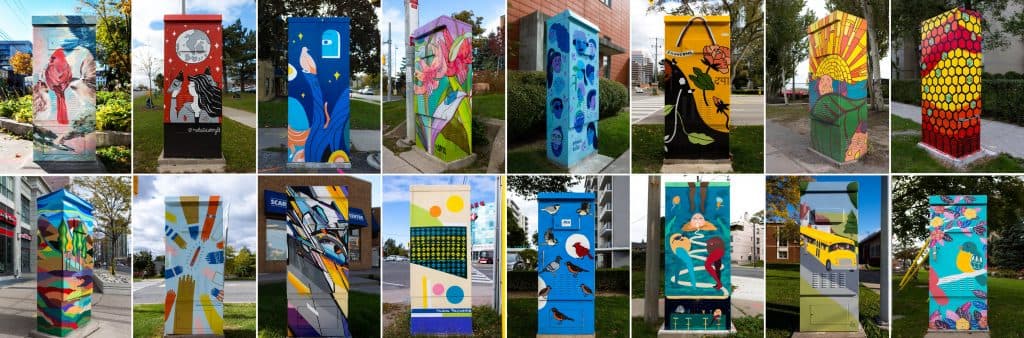
Outside the Box
Turn an ordinary errand into a mini street art tour by tracking down the city's ever-growing collection of painted traffic signal boxes. Since 2013, the City of Toronto's Outside the Box program has commissioned local artists and designers to transform over 350 of these functional fixtures into neighbourhood-specific works of public art. It's a wonderfully low-key way to discover new corners of the city while celebrating the talent living right in your own backyard.

Utility Box by Justin Pape (2017)
Keep your eyes open at the corner of Vaughan and Kenwood and you'll spot one of the city's most delightful small-scale artworks. Justin Pape's hand-painted utility box features a cheeky raccoon clinging to a branch, surrounded by mushrooms, acorns, and lush leaves — a playful nod to the urban wildlife thriving in Toronto's many nearby greenspaces. A quick, free mood boost hiding in plain sight.
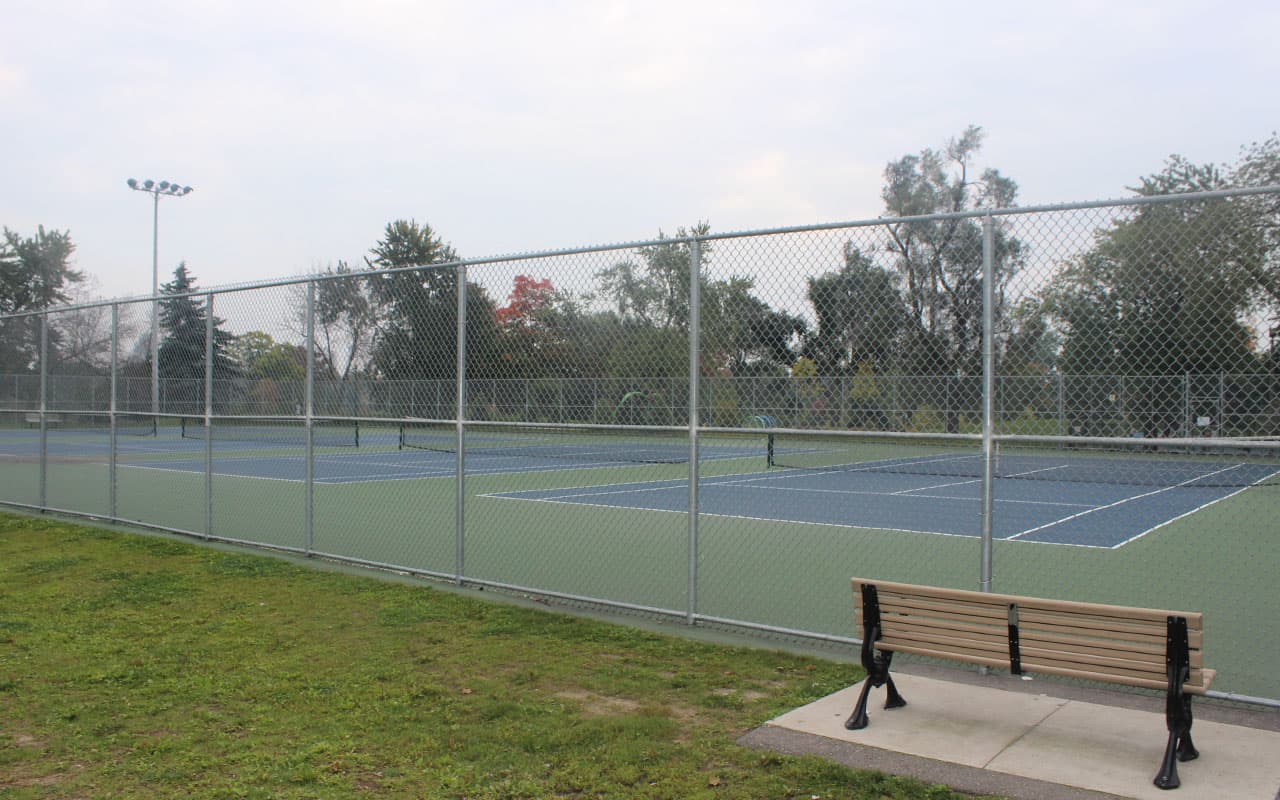
Cedarvale Park and Cedarvale Ravine
Shake off the workday with a walk through one of midtown Toronto's most beloved green escapes. Cedarvale Park offers open sports fields and sweeping hills, while the southern ravine pulls you into a quieter world of wetlands and young forest trails. Connected to a larger ravine network, it's a genuinely restorative after-work detour that feels miles away from the city grid.

Black Creek
Follow Black Creek as it threads its way through the city's west end, offering a surprisingly serene escape along a waterway with deep geological roots stretching back 12,000 years. The trail corridor here gives you a rare chance to connect with one of the Humber watershed's key tributaries while enjoying some genuine greenery amid an otherwise urban landscape. It's an ideal after-work wind-down for anyone who finds calm walking alongside moving water.
Toronto's Smallest House
Swing by 128 Day Avenue to spot Toronto's most improbably charming architectural curiosity — a fully detached home barely wider than a parking spot, hand-built in 1912 by a contractor who turned a city planning oversight into a surprisingly cozy legacy. At just over 300 square feet, it's the kind of hidden gem that makes for great dinner conversation. Bring a friend, take the photo, and marvel at old-school Toronto ingenuity.

History on the Humber
Head down to the Humber River near Jane Street and let 12,000 years of geological history wash over you — literally visible in the layered sedimentary rock along the riverbanks. This stretch of the valley tells the story of retreating glaciers, the formation of the Great Lakes, and the deep Indigenous history of one of Toronto's most storied waterways. It's a rare after-work moment where the city's ancient past feels completely within reach.

Smythe Park
Unwind at Smythe Park, a west-end green space that carries a serious piece of Toronto sports history — named after Conn Smythe, the man who built the Maple Leafs into a dynasty and gave them their iconic name. Beyond the legacy, it's a genuinely lovely spot to decompress after work, whether you're tossing a frisbee, watching a pickup game, or simply sitting with a coffee as the evening cools down. Local, storied, and completely free.

See the Forest for the Trees (2019)
Seek out this vibrant mural tucked at the corner of Rogers Road and Silverthorn Avenue, where artists Christiano De Araujo and Natasha Dichpan wove together portraits of real neighbours among lush painted trees. It's a love letter to west-end community life — the kind of public art that makes you slow down and actually look. A perfect detour on an evening walk through one of Toronto's most quietly creative pockets.

Oakwood Streetcar Loop
Step outside and take in a piece of Toronto's transit history right where the streetcar lines once shaped an entire neighbourhood. The Oakwood Streetcar Loop at St. Clair and Oakwood is a fascinating urban landmark that speaks to how this city grew — block by block, stop by stop. It's an understated but genuinely interesting spot for anyone who loves architecture, local history, or simply watching the city hum.

The Oakwood Hardware
Walk into a building that's been part of the neighbourhood since 1928 — and still has its name carved right into the stone. Once a beloved hardware and building supplies store, Oakwood Hardware has been thoughtfully reimagined as a restaurant that nods to its industrial past with charm and warmth. It's the kind of spot where the history feels present in the best possible way, making every visit feel a little more rooted.

Feel Good Lane
Stroll through a laneway that carries a story worth knowing. Named in honour of Barry Luksenberg — a beloved local rapper known as FeelGood — this community-claimed space was transformed by neighbourhood residents who fundraised to bring colour and meaning to the walls. It's a quietly moving outdoor detour that blends Toronto hip hop history with grassroots community pride, perfect for a reflective end-of-day walk.

Moccasin Identifier Project
Follow the moccasin stencils and let them guide you through layers of Indigenous history woven into Toronto's landscape. Led by Carolyn King — trailblazer, former chief of Mississaugas of the Credit First Nation, and the first woman elected to that role — the Moccasin Identifier Project marks places of deep cultural significance along the Humber Recreational Trail. It's a meditative, meaningful after-work walk that reframes the city beneath your feet.

The Future in Mount Dennis
Discover a neighbourhood that wears its working-class, industrial history proudly — from old Kodak factory remnants to vibrant murals celebrating Mount Dennis's evolving identity. Walking Eglinton Ave. W. near Keele reveals a community actively writing its next chapter, with public art and local energy that feels authentic and unpolished in the best way. Come curious and leave with a richer understanding of Toronto beyond the downtown core.

The Carrying Place Trail
Lace up and follow one of Canada's oldest travel corridors along the Humber Recreational Trail, where centuries of Indigenous trade and French exploration have left their quiet mark on the landscape. The Carrying Place Trail predates the city itself, and walking even a stretch of it after work feels like trading the skyline for something much older and more grounding. It's a rare chance to move through living history while the river does all the talking.
City of York Time Capsule and Cenotaph
Seek out this quietly fascinating civic artifact on Eglinton West — a time capsule sealed in 1997 and not meant to be opened until Toronto's quadricentennial in 2193, alongside a cenotaph honouring the former City of York. It's a surprisingly moving stop that invites you to think about amalgamation, civic identity, and the long arc of this city's story. Bring a curious friend and let the weight of 200 years of waiting sink in over an evening stroll.
York Hall
Discover an open-air sculpture collection hiding in plain sight at York Hall on the Glendon campus, where three distinctly different public works invite slow, unhurried looking. Kosso Eloul's bold Earth and Steel contrasts beautifully with Lionel Thomas's contemplative The Whole Person and E. B. Cox's intricate stone reliefs flanking the south entrance. It's the kind of impromptu art walk that feels curiously rewarding — especially when you stumble upon it on a golden weekday evening.
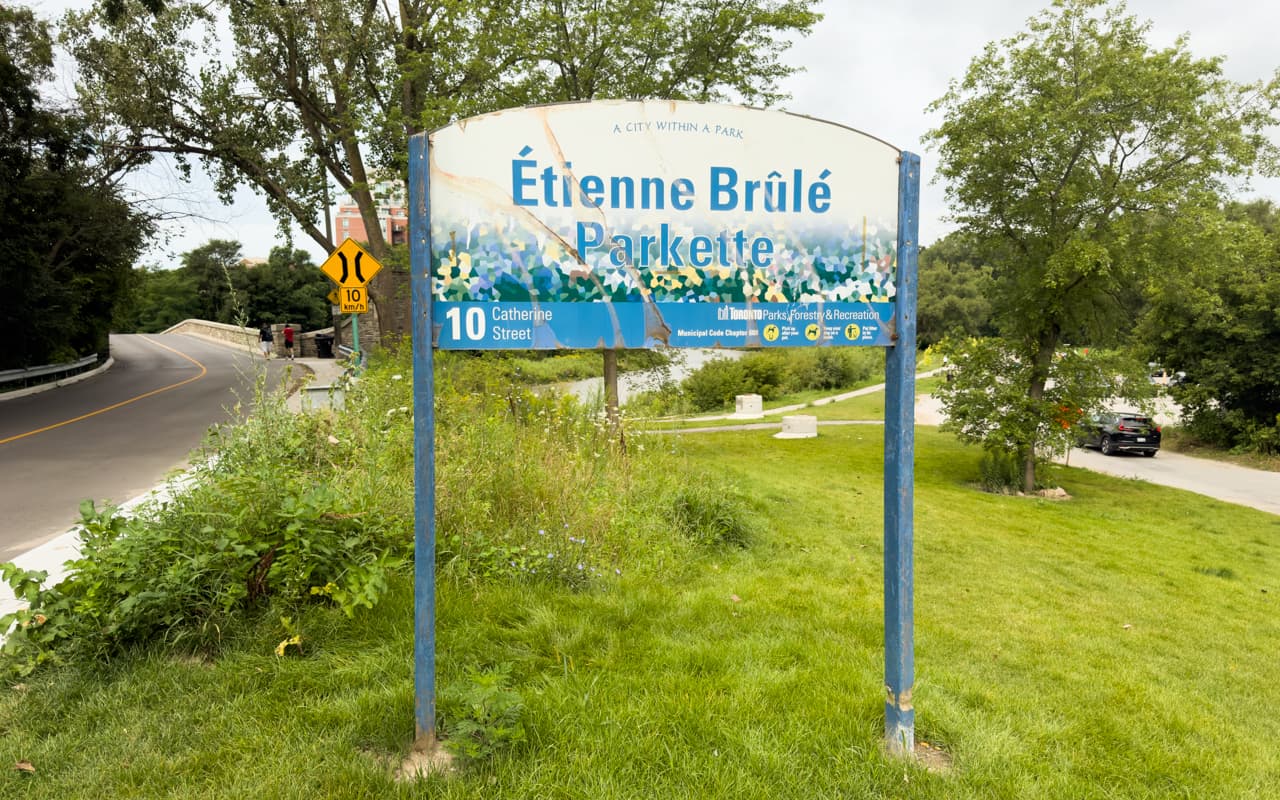
Etienne Brule Park
Discover Etienne Brulé Park, a peaceful green pocket along the Humber River named for the young French explorer who became one of the first Europeans to lay eyes on Lake Ontario back in 1615. The park sits in a lush ravine setting that feels remarkably removed from the city buzz, making it an ideal spot to unwind after a long day. Bring good shoes, a curious mind, and let the river trail do the rest.

Hurricane Hazel Plaque
Pause along the Humber Recreational Trail to take in the Hurricane Hazel plaque — a quiet but powerful reminder of the night in 1954 that forever changed how Toronto relates to its waterways. The trail itself is a lovely after-work route, winding beside the river with plenty of green space to decompress. It's equal parts moving history lesson and genuinely restorative urban escape.

The Junction
Explore The Junction, one of Toronto's most characterful west-end neighbourhoods, where railway heritage and independent spirit collide in the best possible way. Once a bustling industrial hub shaped by four intersecting rail lines, today it's a thriving stretch of indie shops, vintage finds, and welcoming café culture. Strolling these streets after work feels effortlessly local — like discovering a corner of the city that's always been yours to find.

York Recreation Centre
Swap your gym membership for an evening at the York Recreation Centre, a sleek community hub sitting right along Black Creek that offers pools, fitness studios, and a gymnasium — all free or low-cost to drop into. Built with real neighbourhood input, it has a welcoming, community-first energy that feels refreshingly unpretentious. Whether you're swimming laps or joining a drop-in class, it's a great way to move your body without spending a dime.

Keelesdale Park
Seek out Keelesdale Park for one of the few spots in the city where Black Creek flows openly and naturally, drawing herons and warm-water fish in an almost secret pocket of urban wilderness. The park spans both sides of Eglinton Avenue, offering meandering paths and genuinely green breathing room. It's the kind of hidden gem that long-time Torontonians keep close — ideal for a restorative evening walk away from the crowds.

Kodak Heights Building
Explore one of Toronto's most storied industrial landmarks and step into a surprisingly rich chapter of photographic history. The Kodak Heights complex on Eglinton West traces its roots to a Canadian offshoot of George Eastman's iconic empire, and the architecture alone tells a compelling story of early 20th-century ambition. Wander the exterior and let the layered heritage of this once-bustling manufacturing campus spark your curiosity about the city's industrial past.

Herakut (2012)
Seek out this stunning full-block mural by internationally celebrated artist duo Herakut, a vivid love letter to the South Asian community that has long shaped this stretch of Dundas East. Intricate Islamic calligraphy weaves alongside henna-inspired motifs in a work that is as culturally rich as it is visually arresting. It's the kind of public art that stops you mid-commute and reminds you why Toronto's streets are worth exploring slowly.

Jimmy Chiale Mural (2016)
Seek out Jimmy Chiale's vibrant mural on Pape Ave and let the bold black lines and electric colour palette stop you in your tracks. Commissioned by a local resident to transform a blank wall into something worth looking at, it's a perfect example of how Toronto's street art scene thrives beyond the downtown core. If it sparks your curiosity, track down Chiale's iconic 'Make Good' piece in Kensington Market for a mini self-guided art crawl.

Sheldon Lookout
Escape to one of Toronto's most rewarding sunset spots at Sheldon Lookout, tucked into the northeast corner of Humber Shores Park. Watch the city skyline glow as the day winds down, and discover the charming stone plaques that map exactly where the sun rises throughout the year. It's a quietly magical place to decompress after work — bring a friend, a coffee, and no particular agenda.

Fusion of Taste Festival
Celebrate the vibrant flavours of Etobicoke at the Fusion of Taste Festival, an annual neighbourhood celebration that brings together international cuisines, local businesses, and live performances all in one lively outdoor gathering. Whether you're grazing through global street food or catching an emerging local act, this festival has a way of making the whole community feel like one big table. A perfect after-work detour that feeds both appetite and curiosity.

Tiger Mural (2015)
Pause your commute and take in the stunning Tiger Mural by local artist MagicFinnga WonG — a vivid, large-scale painting of a tiger resting beside a lotus-filled pond that transforms an everyday building into a neighbourhood landmark. Painted on the side of the beloved India Bazaar, a community institution since 1974, the work feels both rooted in place and timelessly striking. It's the kind of street art that rewards a slow look and a moment of stillness.

Anga's Farm and Nursery
Visit Anga's Farm and Nursery, one of the last working farms still operating within Toronto's city limits — a genuinely rare find in an increasingly dense urban landscape. With roots stretching back to the 1830s, the land has fed generations of local families and still buzzes with the rhythms of real agricultural life. Stroll through the greenhouses, browse fresh produce, and savour a slower, greener side of the city most Torontonians never get to see.

Thistletown Community Centre
Step into a piece of living Toronto history at Thistletown Community Centre, a neighbourhood anchor that has been bringing people together for over a century. Originally built as a schoolhouse in the 1870s, the space has evolved into a vibrant hub for local programming, classes, and community gatherings. Whether you're dropping in to explore or joining a scheduled event, this is the kind of place that reminds you why neighbourhood roots matter.

Elm Bank
Wander back to the early 1800s with a visit to Elm Bank, two of Toronto's oldest surviving stone homes tucked quietly on Jason Road. Built from Humber River stone, these remarkably preserved structures tell the story of one of the city's earliest farming families. It's a rare, unhurried opportunity to connect with Toronto's pre-urban past in a way that feels genuinely off the beaten path.
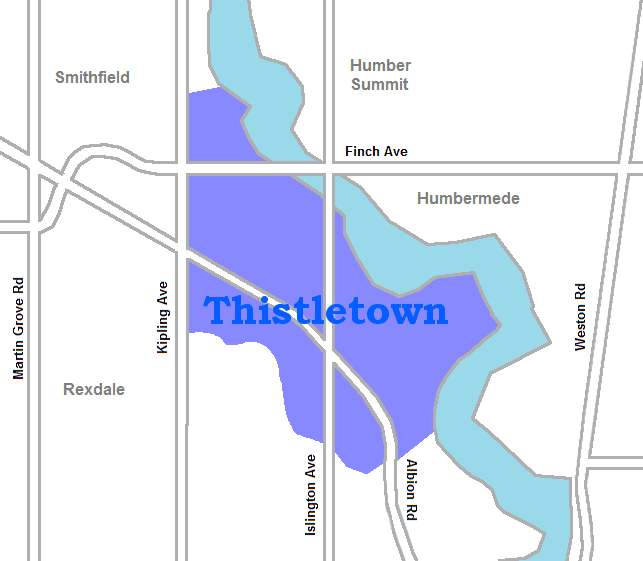
Thistletown
Step back in time and explore one of Etobicoke's most storied corners, where Scottish settler John Grubb laid the groundwork for the area's very first subdivision back in 1847. Wander the streets of Thistletown and feel the quiet weight of history beneath a modern neighbourhood. It's a surprisingly rewarding detour for anyone curious about how Toronto's outer boroughs came to be — no museum required.

Holi Mural (2015)
Discover a stunning 120-foot mural that brings the joyful chaos of Holi festival to life on an Etobicoke wall — bursting with the kind of colour that makes you stop mid-stride. The piece captures Rangwali Holi, the beloved Hindu spring celebration where vibrant pigments fill the air and mark the season's renewal. It's a beautiful reminder of the cultural richness woven into Toronto's neighbourhoods, and well worth the trip out to see it in person.

Franklin Carmichael Art Centre
Discover the Franklin Carmichael Art Centre, a beautifully storied venue that honours both artistic legacy and pioneering women in Canadian history — once home to Dr. Agnes Ann Curtin, a trailblazing physician and child development advocate from the early 1900s. Today the space continues her spirit of community and creativity, offering a welcoming home for arts programming and cultural gathering. Drop in after work to explore what's on and soak up the warmth of a building with real soul.

Garbutt-Gardhouse Home
Step back in time with a visit to the Garbutt-Gardhouse Home, one of the last surviving farmhouses in the area and a quiet testament to Etobicoke's agricultural past. Built around 1864, this heritage gem offers a rare glimpse into pre-suburban Toronto life, sitting modestly among the neighbourhood streets that grew up around it. It's a perfect slow-evening wander for history lovers and anyone who appreciates a good architectural story.

West Humber Recreational Trail
Lace up and explore the West Humber Recreational Trail — a scenic 19-kilometre paved path that winds along the West Humber River and strings together a beautiful series of parks and green spaces. Whether you're running, cycling, or just taking a long decompressing walk after work, the forested stretches and riverside views make it easy to forget the city is right there. A proper escape hiding in plain sight.

Rexdale Community Hub
Explore one of Toronto's most welcoming community gathering spaces, where neighbours come together for integrated programs, resources, and support. The Rexdale Community Hub brings a wide range of services under one roof, making it a true anchor for the north Etobicoke community. Whether you're looking to connect, learn, or simply see what community-driven spaces can look like, this hub is worth the visit.

Community Spirit in Etobicoke
Wander through north Etobicoke on a self-guided tour that reveals the neighbourhood's creative spirit and community pride. Starting near the East Humber River, the route winds past community-led murals, beloved parks, and local libraries that tell the story of a vibrant, resilient community. It's a refreshing way to stretch your legs after work while discovering parts of Toronto you might never have explored.

Learning Garden Hub
Discover a hands-on garden tucked into Panorama Park where local youth and residents get their hands in the soil and their minds into sustainability. Run in partnership with Park People and the Rexdale Community Health Centre, the Learning Garden Hub has been quietly growing community roots since 2013. Drop by to see how green spaces can be powerful tools for education, connection, and neighbourhood pride.

Albion Library
Discover one of Toronto's most beloved community hubs at Albion Library — a beautifully reimagined space that's been welcoming curious minds since 1965. Browse an impressive collection, catch a local program, or simply settle in with a good book after a long day. With over 350,000 visitors a year, it's the kind of place that reminds you how much a great public library can anchor a neighbourhood.
Rowntree Mills Park
Head out to Rowntree Mills Park for a genuinely restorative after-work escape along the Humber River, where history and nature meet in the best possible way. Named after settler and miller Joseph Rowntree, whose 19th-century mills once brought industry to the region, the park now offers lush trails, open green space, and peaceful riverbank scenery. It's the kind of place that slows your pace down the moment you arrive.

Humber Summit Library
Swing by Humber Summit Library and take in the vibrant public art that transformed this corner of the neighbourhood into something truly special. Born out of the 2019 Cultural Hotspot initiative, the revitalized Bell boxes outside are covered in striking murals that reflect the community's identity and creative energy. It's a small but meaningful reminder that great public art can turn an everyday errand into something worth lingering over.

Born This Way (2015)
Lace up and head to the Humber Recreational Trail to catch Born This Way, a vibrant mural born from the Pan Am Path's Art Relay — a city-wide program that turned Toronto's trail network into a living outdoor gallery. Crafted by the Essencia Art Collective in partnership with the Centre for Spanish Speaking Peoples, the piece pulses with cultural pride and community voice. It's the kind of public art that makes an evening run feel like a gallery opening.

Rexdale Community Gateway Mural (2013) and Meeting Place Mural (2014)
Duck under the Kipling and Highway 409 underpass to discover one of Toronto's most ambitious community art installations — a sweeping 370-foot mural that charts the full arc of Rexdale's history, from First Nations settlements to the neighbourhood you see today. Created through VIBE Arts with 18 local youth under the guidance of artist Emilia Jajus, it's the kind of public art that stops you mid-stride. Come at golden hour when the colours truly sing.

Ecoscope 2: Let's Take a Walk on the Wild Side (2017)
Discover this striking large-scale mural perched above the Pan Am Path along the West Humber Valley, where art and nature meet in an unexpected and vivid way. Created by artist Kirsten McCrea, the piece draws direct inspiration from the rare Carolinian Forest ecosystem nearby, turning a highway overpass into a canvas for ecological storytelling. It's the perfect excuse to lace up your shoes, hit the trail after work, and let the wild side of west Toronto genuinely surprise you.

Len Braithwaite Park
Wind down your evening with a reflective visit to Len Braithwaite Park, a green space honouring a true trailblazer — Leonard Austin Braithwaite, the first Black Canadian elected to a provincial legislature. The park is a quiet, grounding place to decompress, and knowing the history behind its name gives the visit a meaningful depth that most city parks simply don't offer. Bring a book, bring a friend, or just bring yourself.
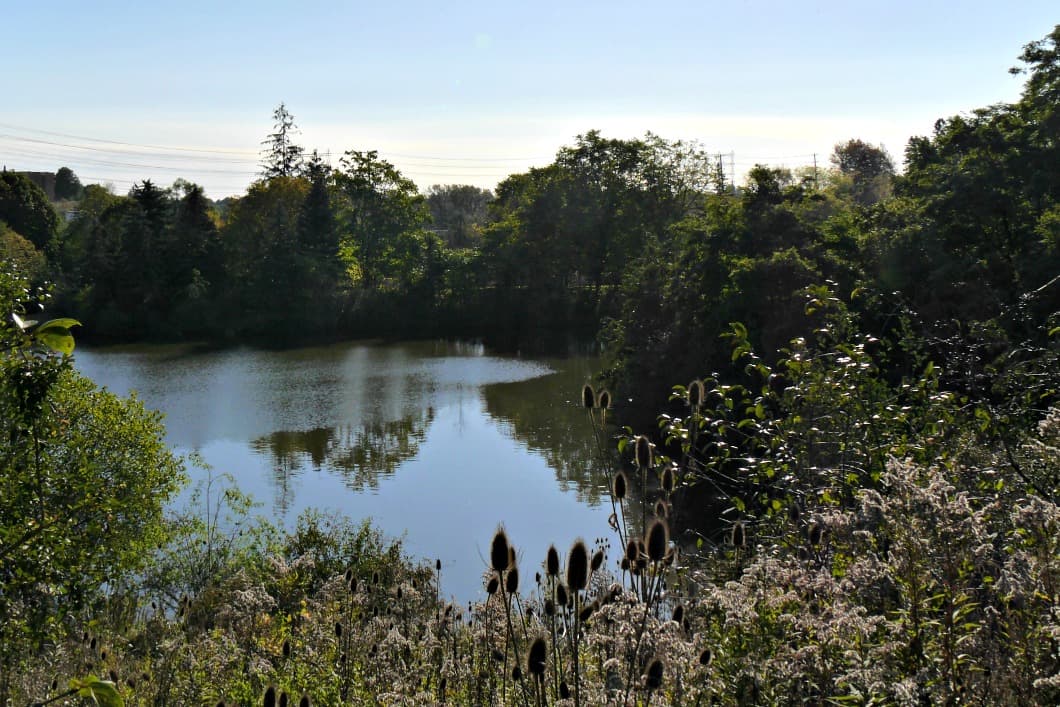
Humber Pond Revitalization
Head out to Humber Pond for an after-work nature reset that feels surprisingly far from the city grind. This revitalized urban pond serves as a living ecosystem — drawing in wildlife, supporting natural habitats, and offering a genuinely peaceful waterside atmosphere. Whether you loop the trail, watch the birds, or simply sit and breathe for a few minutes, it's one of those low-key spots that quietly becomes a favourite.

Poonam Sharma's Bell Box Mural (2016)
Take a short detour on your after-work stroll and discover this vibrant street-level mural by Toronto artist Poonam Sharma. Painted on a Bell utility box at Finch and Silverstone, the piece bursts with dynamic forms and expressive portraits that reflect the energy and spirit of the surrounding neighbourhood. It's a small but memorable reminder of how public art can transform even the most ordinary corner into something worth pausing for.

Pan Am Path/Humber River Recreational Trail
Lace up and hit the Pan Am Path along the West Humber River — 19 kilometres of well-maintained paved trail that winds through some of Toronto's most beautiful natural corridors. Whether you're running, cycling, or just walking off the workday, the route connects the Humber Arboretum, Claireville Conservation Area, and a string of scenic natural areas that make the commute home feel like an adventure. Few free activities in this city offer this much green reward.

Woodbine Mall & Fantasy Fair
Wind down after work with something a little unexpected — Woodbine Mall is home to Fantasy Fair, Ontario's largest indoor amusement park, and it's way more charming than you'd expect. The centrepiece is a beautifully restored 1911 carousel hand-carved by legendary craftsman Charles I.D. Looff, a genuine piece of North American fairground history. Whether you're bringing kids or just embracing your inner child, it's a playful, low-effort evening that delivers real delight.

Woodbine Racetrack
Step into a piece of living Toronto history at Woodbine Racetrack, one of North America's premier thoroughbred racing venues with roots stretching back to the 1880s. Catch an evening race on the sprawling 780-acre grounds and let the electric atmosphere of hooves thundering down the stretch do its thing. It's a surprisingly fun and low-key after-work outing — the kind of place that feels like a hidden gem even though it's been here all along.

Nature Along the West Humber
Trade the concrete for something greener with a guided wander along the West Humber River, where forest trails, tranquil wetlands, and native plant life offer a genuine escape from city noise. This nature walk connects you with local ecosystems and the educational initiatives working to protect them — part discovery, part slow reset. It's the kind of after-work outing that leaves you feeling genuinely restored rather than just entertained.

St. Mark's Coptic Museum
Explore centuries of Coptic heritage at one of Toronto's most quietly remarkable cultural gems — St. Mark's Coptic Museum, founded in 1996, offers a thoughtful journey through the art, history, and spiritual traditions of Egypt's oldest Christian community. The collection spans rare artifacts and richly detailed works that illuminate a civilization often overlooked in mainstream cultural spaces. A genuinely eye-opening free visit that rewards the curious.

BAPS Shri Swaminarayan Mandir
Step inside Canada's first traditionally built Hindu mandir, an architectural marvel that opened in 2007 and continues to awe visitors with its hand-carved stone and intricate detail. The BAPS Shri Swaminarayan Mandir is both a living place of worship and a cultural landmark — welcoming curious visitors who want to learn about Hindu heritage and the BAPS community's roots in Gujarat, India. An evening visit here is quietly moving and genuinely unlike anything else in the city.

Humberwood Community Centre
Discover one of Etobicoke's most impressive public facilities, where a full community and recreation centre sits alongside a library, schools, and daycare all under one roof. Whether you're looking to squeeze in a workout, attend a drop-in program, or simply explore what your city offers after hours, Humberwood delivers surprising depth. It's the kind of neighbourhood hub that reminds you how much free programming Toronto actually has to offer.

Humber Arboretum
Escape the office and lose yourself in one of Toronto's most underrated green sanctuaries. Spanning 100 hectares, the Humber Arboretum offers a breathtaking mix of manicured gardens, tranquil ponds, and untamed forest — home to over 1,700 plant species and plenty of wildlife. It's the kind of place that genuinely resets your nervous system after a long day, especially when the deciduous forest along the West Humber River turns golden at dusk.

Looking to the Past, Living the Present
Join a guided walk through Scarborough's northern neighbourhoods and uncover how farmland and quiet hamlets quietly evolved into the bustling subdivisions and communities we know today. This thoughtful tour connects the dots between landscape, history, and the people who shaped it — making the familiar feel surprisingly new. Perfect for curious minds who love discovering the hidden stories woven into everyday streets.

Claireville Toll House
Step back in time at one of Toronto's most quietly remarkable landmarks — the Claireville Toll House, a mid-19th-century gem that once sat at the crossroads of three townships. Wander around this beautifully preserved piece of local history and imagine the daily rhythms of 1850s Etobicoke. It's a low-key, genuinely fascinating detour for anyone curious about the city's layered past, and the kind of find that makes you feel like a true Toronto insider.

Claireville Conservation Area
Spread across 848 acres of rolling terrain, the Claireville Conservation Area is a surprisingly vast urban escape tucked at the edge of the city. Originally established for flood control after Hurricane Hazel, it's now a beloved retreat for hikers, trail riders, and anyone craving open space without a long drive. Pack your trail shoes and let the reservoir views and winding paths do the rest — this one earns its place on your regular rotation.
Wendat Village (Alexandra Site)
Wander through L'Amoreaux North Park and step into a living piece of Indigenous history — this site marks where a Wendat village stood over 600 years ago. Interpretive markers bring the story of the Wendat Confederacy to life, offering a rare and grounding connection to the land beneath your feet. It's a quietly profound way to spend an evening, equal parts reflective and educational.

Kidstown Water Park
Cool off at Kidstown Water Park, Toronto's only city-operated water park and a beloved summer escape for families with little ones. Splash pads, a wading pool, aquatic spray animals, and a tipping bucket keep kids endlessly entertained on hot summer afternoons and evenings. It's the kind of joyful, free outing that turns an ordinary weeknight into a full-on summer memory.
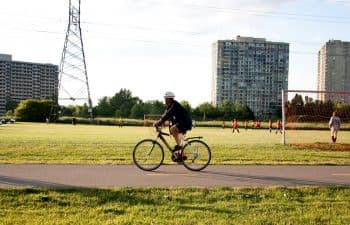
Finch Hydro Corridor East Trail
Lace up and explore this hidden green corridor tucked along the south side of McNicoll Avenue, stretching 1.6 kilometres between Birchmount Road and Pharmacy Avenue. Once overlooked hydro land, this multi-use trail has been transformed into a lovely slice of urban nature — perfect for an after-work walk, jog, or bike ride. Connect it with neighbouring L'Amoreaux Park to extend your evening escape into something genuinely restorative.

Devonsleigh Place (Casa Imperial Fine Chinese Restaurant)
Swing by one of Scarborough's oldest surviving structures — a modest brick farmhouse dating back to 1850, when the surrounding area was still quiet agricultural land. Built for farmer William Hood and expanded in 1887, Devonsleigh Place is a rare physical connection to Toronto's rural past, now sitting improbably beside a busy stretch of Steeles Avenue East. History buffs will appreciate pausing here to imagine the layers of the city that existed long before the condos arrived.

Vimy Oaks
Discover one of Toronto's most quietly moving landmarks — a grove of oak trees grown from acorns carried home from Vimy Ridge by a Canadian soldier after one of the First World War's most defining battles. Walking among the Vimy Oaks feels like a living memorial, rooted quite literally in history. It's the kind of place that stops you in your tracks and reminds you that the past is never as far away as it seems.

Pacific Mall
Lose yourself in one of North America's largest Asian malls, where dozens of independent vendors, bubble tea shops, and specialty stores create an endlessly browsable after-work escape. Pacific Mall is a living landmark of Scarborough's vibrant East and South Asian communities, which flourished here from the 1970s onward. Whether you're hunting for a specific find or just wandering, the energy here is warm, bustling, and genuinely unlike anywhere else in the city.

Ontario Chinese Art Association
Step into a welcoming space where Chinese artistic traditions meet contemporary Toronto creativity. Founded in 1979, the Ontario Chinese Art Association has spent decades championing local and international artists through exhibitions, workshops, and cultural programming. Whether you're an art enthusiast or simply curious, dropping by feels like discovering a hidden cultural gem — one that's been quietly enriching the city's creative fabric for over forty years.

Scarboro Village Plaza Mural (2004)
Discover a vivid piece of Toronto's multicultural story painted right into a neighbourhood plaza wall. The Scarboro Village Plaza mural captures the layered immigration history of Milliken, tracing its transformation from a predominantly European settlement to the vibrant, diverse community it is today. Wander over after work for a moment of quiet reflection and a colourful reminder of how much this city has evolved — no ticket required, just curiosity.

Pauline Johnson Junior Public School (Tekahionwake)
Discover a piece of Canadian literary history at this elementary school named for Pauline Johnson, the celebrated Mohawk poet and performer who captivated audiences across North America in the late 1800s. Known by her Haudenosaunee name Tekahionwake, Johnson was a trailblazer whose words appeared in publications far and wide. Stopping here is a quiet, meaningful way to connect with Indigenous heritage woven into everyday Toronto neighbourhoods.

Seeds of a Neighbourhood, Growth of a Community
Lace up and explore how Malvern evolved from a quiet rural corridor into a vibrant, culturally rich community on this self-guided neighbourhood tour. You'll move between contemporary anchors like the Malvern Library and Y+ contemporary gallery, then step back in time through the heritage buildings and green edges of the Rouge Valley. It's a surprisingly layered walk that rewards curiosity and reframes what Toronto's northeast really holds.

Elicser Underpass Mural
Seek out this striking underpass mural by beloved Toronto street artist Elicser Elliott, where the everyday faces of Scarborough come alive in vivid, larger-than-life detail. Elicser's signature style blends bold portraiture with layered cityscapes, capturing the neighbourhood's diversity with real warmth and intention. It's the kind of public art that stops you mid-commute and reminds you why this city's streets are worth paying attention to.

The Dragon Centre
Visit the pioneering mall that helped shape Toronto's Asian commercial landscape long before the trend took hold across the GTA. Built in 1984 to serve the growing East Asian community in Agincourt, the Dragon Centre was a bold, community-driven vision that proved ahead of its time. Wandering through today feels like a nod to the entrepreneurial spirit that continues to define this part of the city — a grounded, authentic alternative to the usual after-work haunt.
John Hill
Pause at the corner of Lockie and Midland to uncover a genuinely charming slice of Toronto folklore — the story of how Agincourt got its very French name despite its very English settlers. General store owner John Hill's creative compromise with a French-Canadian political connection back in 1858 gave this neighbourhood an identity that stuck for over 160 years. It's the kind of small, surprising history that makes a neighbourhood walk feel like a real discovery.

Knox United Church
Step back in time at one of Agincourt's most enduring landmarks, a Gothic Revival-style church whose tall lancet windows and graceful spire have watched over the neighbourhood since 1872. Knox United Church tells the story of a small frontier congregation that grew right alongside the city itself, adapting through generations while holding onto its architectural soul. It's a peaceful, grounding stop for anyone curious about the quieter chapters of Toronto's suburban history.

Agincourt Public School
Stroll past a piece of living Toronto history at Agincourt Public School, a building that has been welcoming students since 1913 and holds the distinction of being Scarborough's oldest operating school. What started as a modest two-room schoolhouse grew into a community cornerstone, even pioneering secondary education in the area. It's a quiet, easy detour that connects you to the deep roots of a neighbourhood that's been evolving for well over a century.

Malvern Town Centre
More than just a place to shop, Malvern Town Centre has long served as a genuine gathering point for one of Toronto's most vibrant east-end communities. The dramatic glass atrium and soaring entrance make it surprisingly welcoming for a late-80s build, and the energy inside reflects the neighbourhood itself — lively, diverse, and warm. Whether you're running errands or just looking for a place to connect, this community hub delivers.

Y+ contemporary
Discover a rare kind of creative space where emerging artists get real room to grow. Y+ Contemporary is a non-profit gallery and studio co-founded by UTSC graduates, dedicated to nurturing experimental and community-rooted art practice. Drop in to explore rotating exhibitions, catch an artist talk, or simply soak in the kind of raw, unfiltered creativity that big downtown galleries rarely offer. It's a genuine neighbourhood gem worth seeking out.

TAIBU
Connect with TAIBU Community Health Centre, a pioneering organization that stands as the only community health centre in Canada with a dedicated focus on the health and wellness of people of African descent. Founded in 2008, it offers a genuinely community-led environment where programming, services, and care are shaped by and for the people it serves. Stopping by or getting involved is a meaningful way to engage with one of Toronto's most purposeful grassroots institutions.

Scott Westney House
Seek out the Scott Westney House tucked inside Major Abbas Ali Park for a quiet after-work moment that feels like stepping back in time. Crafted from local stone more than 130 years ago and thoughtfully relocated here in 1990 as part of Scarborough's early heritage preservation efforts, this charming structure carries real neighbourhood history within its walls. It's an understated gem that pairs beautifully with a slow evening walk through the surrounding parkland.
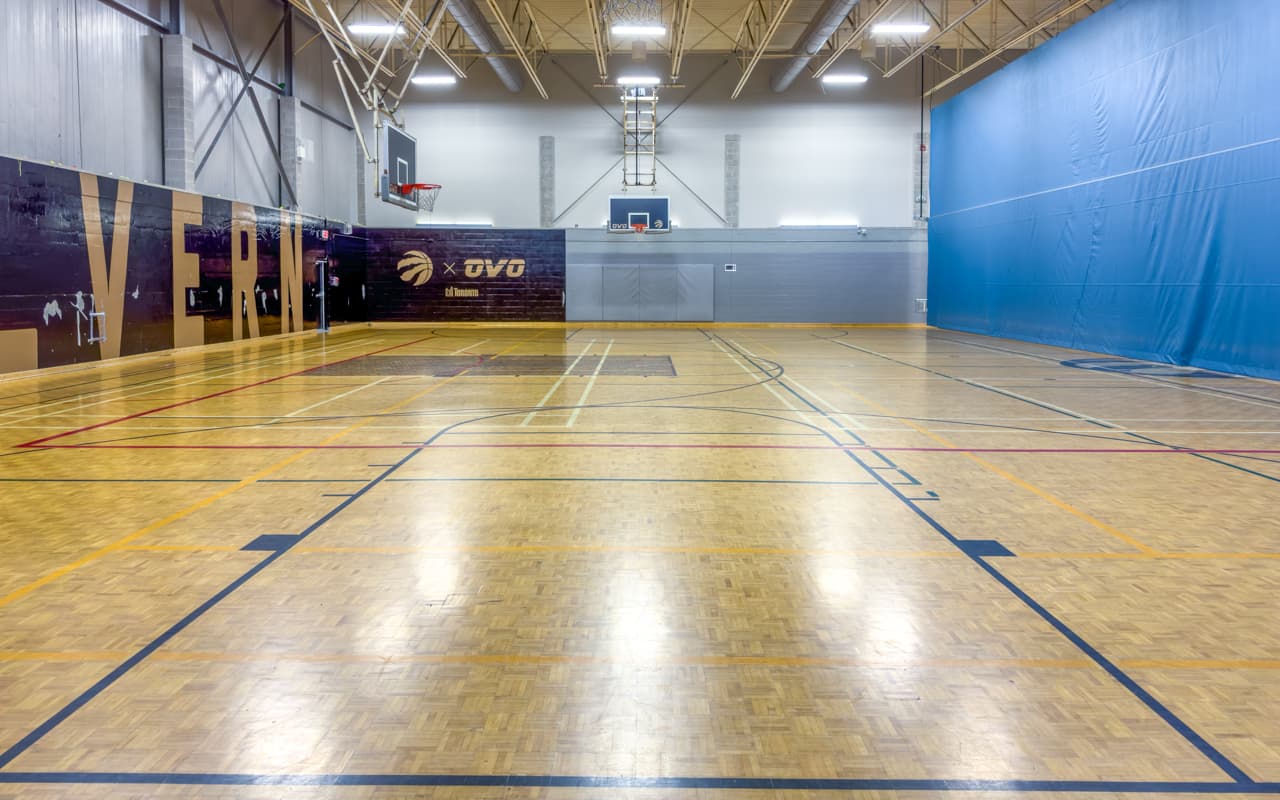
Malvern Recreation Centre
Head over to Malvern Recreation Centre for a free, fully accessible after-work session that has something for just about everyone. The centre buzzes with energy across all ages, though it has a special heart for youth programming — from volunteer opportunities to a hands-on youth advisory council and even a skatepark presence. Whether you're looking to move your body, give back, or simply explore a community hub that punches well above its weight, this is a welcoming place to land.

James Weir Farmhouse
Visit a remarkable piece of Toronto's settler history at the James Weir Farmhouse, a hand-built stone structure dating back to 1861 that has stood quietly in Scarborough for over 160 years. Named after a Scottish immigrant who became deeply woven into the fabric of Upper Canada, this site carries stories of loyalty, rebellion, and resilience. It's a surprisingly moving stop for history lovers on an unhurried after-work explore.

Historic Malvern School
Step back in time at one of Scarborough's most storied landmarks — a 19th-century schoolhouse that has quietly witnessed the neighbourhood's evolution since 1872. Originally known as S.S. #3, this beautifully preserved building offers a tangible connection to Toronto's earliest days of public education. It's the kind of living history that makes an after-work wander feel genuinely meaningful.
Malvern
Wander through Malvern and keep your eyes peeled for the neighbourhood's charming collection of painted Bell utility boxes — each one a small burst of local colour and creativity. This self-guided street art stroll is a low-key way to explore a lesser-known corner of Toronto at your own pace. Perfect for a breezy after-work wind-down that doubles as a neighbourhood discovery.

Hillside Church
Step back in time with a quiet visit to one of Toronto's oldest surviving wooden churches. Built in 1877 and remarkably well-preserved, Hillside Church is a modest but moving piece of local heritage — simple frame construction, arched windows, and a gabled roofline that feels straight out of a 19th-century pastoral painting. It's a peaceful stop for history lovers and curious wanderers who appreciate finding the city's quieter, forgotten stories.

Sewell's Bridge
Wander out to Sewell's Road and discover a genuine piece of Ontario history still standing at the edge of the Rouge River. Built in 1912, this graceful steel suspension bridge is the last of its kind on a public road in the entire province — a quietly remarkable fact that makes the stroll feel unexpectedly special. It's the kind of tucked-away spot that rewards the curious after-work explorer looking for fresh air and a story to tell.
Kennedy Commons
Wind down your evening with a leisurely stroll through Kennedy Commons, a sprawling open-air retail hub that anchors the northern end of Kennedy Road's vibrant business strip. With nearly 500,000 square feet of shops and services spread across an entire city block, there's plenty to browse, taste and discover at a relaxed pace. It's a low-key after-work destination for grabbing essentials, a bite, or just soaking up the neighbourhood energy.

Ellesmere Skatepark
Lace up and drop in at Ellesmere Skatepark, a well-equipped outdoor spot packed with quarter pipes, ledges, banks, and rails for skaters of every level. Tucked alongside the Ellesmere Community Centre, it's a genuinely welcoming place where the local skate community shows up and puts in real sessions. Whether you're learning your first ollie or just vibing in the sun after work, this park has the energy to match.

Toronto Zoo
Wander through one of the largest zoos in the world and let the after-work grind melt away among over 5,000 animals and 450 species. The Toronto Zoo is equal parts awe-inspiring and deeply fun, whether you're catching a rare wildlife conservation exhibit or just marvelling at the giant pandas. It's a surprisingly great way to stretch your legs, reset your mind, and reconnect with something a little bigger than a spreadsheet.

Parkway Mall
Wander through a piece of mid-century retail history at Parkway Mall, where a sweeping space-age arch marks the entrance to one of Toronto's earliest suburban shopping centres. Built to serve a rapidly growing postwar community, the mall is a living time capsule of 1950s optimism and neighbourhood identity. It's a surprisingly charming and low-key spot to observe how Scarborough's suburban story began, all without spending a dime.
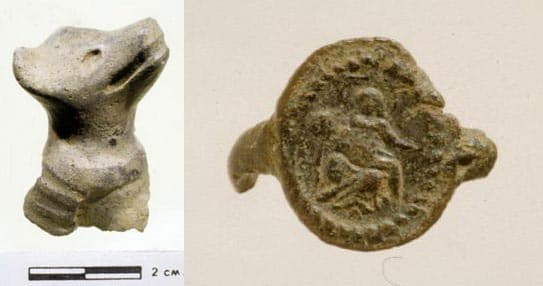
The Seneca Settlement, Ganatsekwyagon
Discover one of Toronto's most significant Indigenous heritage sites, where the Seneca people established the settlement of Ganatsekwyagon at the mouth of the Rouge River. Recognized as a National Historic Site of Canada, this place carries deep cultural and archaeological weight dating back centuries. While the site itself is protected and not open to the public, learning about its history offers a meaningful and grounding connection to the land beneath the city.

Scarborough of the Future
Lace up your walking shoes and explore Scarborough's evolving core on a self-guided tour that traces the neighbourhood's transformation from postwar suburbia to a dynamic, forward-looking urban landscape. Discover striking public art installations, ambitious transit developments, and the architectural bones of a community that's very much in motion. It's a fascinating lens into how Toronto's inner suburbs are reinventing themselves, one block at a time.

Scarborough Civic Centre
Explore one of Toronto's most architecturally striking civic buildings, designed by the legendary Raymond Moriyama and unveiled in the presence of Queen Elizabeth II back in 1973. The soaring white curves and asymmetrical silhouette make it a genuine landmark worth wandering through after work. Drop in to appreciate the bold brutalist-meets-modernist vision and discover the city services and community spaces tucked inside.

A Vision Realized (Midland Park)
Seek out this vibrant mural tucked onto the west wall of the Midland Park plaza, where artist Sarah Collard has painted a warm, detailed tribute to one of Scarborough's beloved mid-century neighbourhoods. Sharply angled rooftops emerge from lush, blooming gardens in a scene that feels both nostalgic and joyfully alive. It's a lovely reminder that some of the city's best art is found well off the beaten gallery path.

Birkdale Art in the Park
Spend an afternoon at Birkdale Art in the Park, an annual outdoor arts festival that fills the ravine with local artists, artisans, and community energy in the best possible way. It's the kind of event where you show up for a quick browse and end up staying for hours, chatting with makers and discovering work you genuinely didn't expect to love. Rooted in the neighbourhood and supported by Toronto's Cultural Hotspot program, this one feels authentic through and through.

Come Unity Mural (2009)
Pause at this striking community mural on Ellesmere Road and take in a story told through colour and collaboration. Designed by a team of local youth and guided by artist Rob Matejka, the piece weaves together images of generosity, journeys, and togetherness into something genuinely moving. It's one of those small, easy detours that quietly reminds you why public art belongs in every neighbourhood.

Albert Campbell Square
Unwind at Albert Campbell Square, a welcoming civic gathering place named after Scarborough's very first mayor and beautifully designed for every season. Come summer, a reflective fountain and landscaped gardens make it ideal for a quiet after-work stroll, while winter transforms the space into a community skating rink full of warmth and movement. Public sculptures and a performance stage mean there's almost always something interesting happening here.

Art at Scarborough Civic Centre
Wander the grounds of Scarborough Civic Centre for a free open-air sculpture experience rooted in a remarkable moment in art history. Nine international artists descended on the city in 1994 to carve large-scale works directly in granite for a global symposium, and the results are still here to discover. It's an effortlessly cool after-work detour — part gallery, part urban stroll, entirely worth your time.

Scarborough Centre Trail
Slip away from the office buzz and into this tucked-away trail off Borough Drive, where towering trees create a surprisingly peaceful canopy right in the heart of Scarborough Centre. It's a short but genuinely restorative walk that winds toward Ellesmere and McCowan — perfect for clearing your head between meetings or on your way home. Think of it as the city's little secret green corridor.
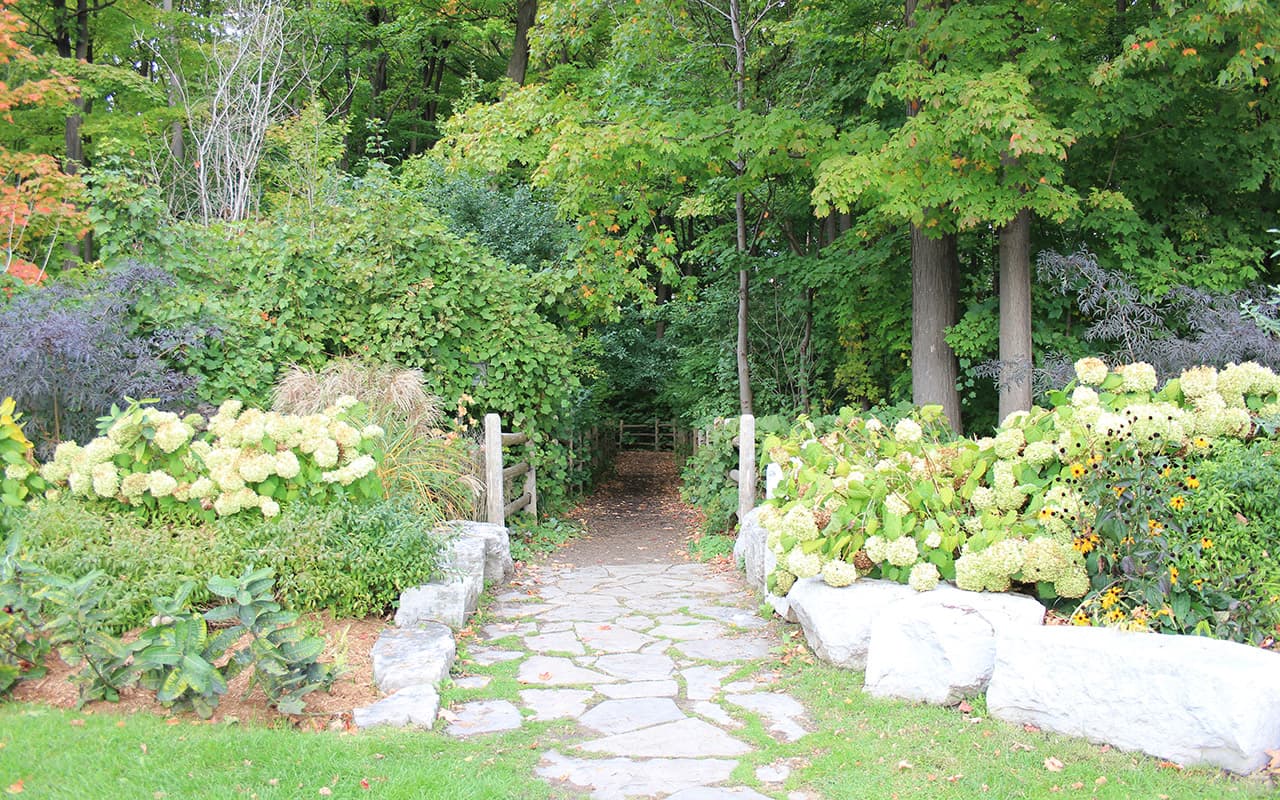
Frank Faubert Wood Lot
Explore this five-hectare forested woodlot that has been sheltering Scarborough residents since the days of early settler George Scott in 1829. Winding trails lead you through dense, mature trees dotted with public sculptures that make every turn feel like a small discovery. It's the kind of green space that genuinely surprises you — serene, storied, and just steps from the city's bustle.

Mel Lastman Square
Head to Mel Lastman Square for a lively slice of community life right in the heart of North York. Thursday evenings bring a vibrant farmers' market where local vendors set up shop, making it an ideal after-work stop to pick up fresh produce and connect with neighbours. Throughout the year, the square transforms for festivals celebrating Korean, Hispanic, and Canadian cultures — it's a genuinely welcoming public space that always seems to have something worth showing up for.

North York Central Library
Head into North York Central Library for an after-work wind-down that's equal parts productive and peaceful. With a rich community history stretching back to the early 1950s, this beloved institution has grown from a bookmobile into a full-scale cultural hub. Grab a book, find a quiet corner, or explore one of the library's many programs — it's a warm, no-cost refuge from the day.

First North York Hydro Building
Step back in time at one of the last standing early 20th-century municipal buildings in the area. Built in 1929, this modest but storied structure predates the formation of North York's own hydro commission — a quiet reminder of the city's electrifying past. Wander by after work for a quick dose of local history tucked between modern storefronts on Yonge Street.

Scarborogh Walk of Fame
Pay tribute to the remarkable people who put Scarborough on the map at this community-driven Walk of Fame, tucked inside Scarborough Town Centre. Celebrating everyone from pioneering doctors to educators, the plaques tell an inspiring story of a neighbourhood that punches well above its weight. It's a quietly moving stop that pairs perfectly with a post-work stroll through the mall.

Scarborough Town Centre
Explore one of the GTA's most storied shopping destinations, a mall that has grown alongside Scarborough itself for over five decades. Wander through a lively mix of shops, food courts, and familiar faces that reflect the neighbourhood's incredible cultural diversity. Whether you're grabbing a bite after work or simply people-watching, Scarborough Town Centre has an energy that feels genuinely like the city.

Edward Rogers Wood
Step into a quiet corner of Toronto's history at the intersection of Bayview and Lawrence, where the legacy of Edward Rogers Wood left an unexpected mark on the city's very street plan. The story of Glendon Hall and the rerouting of Bayview Avenue is one of those small, fascinating details that makes Toronto's urban fabric so rich. Take an early evening stroll through the area and let the neighbourhood's heritage estates and mature tree canopy do the storytelling.

City with Heart
Discover the layered story of North York, a place that evolved from farmland to a thriving, multicultural urban hub in just a few generations. Anchor your self-guided exploration at the civic centre, where municipal buildings, arts spaces, and heritage sites sit side by side. It's a rewarding after-work wander for anyone curious about how Toronto's neighbourhoods quietly shaped the city we know today.

Joseph Shepard House
Seek out the Joseph Shepard House on Burndale Avenue, a circa-1835 homestead that anchors one of Toronto's earliest Loyalist legacies. Built by a farmer and miller who arrived in Canada in 1784 and received a 210-acre crown grant, this modest structure is a rare surviving window into the city's pre-Confederation era. Pair it with nearby heritage sites for a self-guided walk that feels more like time travel than sightseeing.

Heritage Apple Tree
Pause at a living piece of Toronto history tucked into a quiet parkette at Yonge and Park Home — a Tolman Sweet apple tree believed to be the last survivor of an orchard planted by David Gibson in 1832. Nearly two centuries old, this remarkable tree has even given rise to grafted descendants kept alive across the city. It's a surprisingly moving little detour that connects the modern streetscape to the farmland that once defined this part of North York.

Gibson House
Visit the beautifully restored home of David Gibson, a surveyor, reformer, and key figure in the Upper Canada Rebellion of 1837 — a man whose story shaped the political landscape of what would become Ontario. The house, rebuilt after being burned by government forces, now stands as a fascinating museum where costumed staff bring the 1850s vividly to life. History buffs and casual curious types alike will find something genuinely compelling here.

Lee Lifeson Art Park
Pay tribute to two of rock music's greatest icons right in the neighbourhood where they grew up. Lee Lifeson Art Park honours Geddy Lee and Alex Lifeson of Rush — Willowdale's own hometown legends — in a green, welcoming space that doubles as a community gathering spot. Whether you're a die-hard Rush fan making a pilgrimage or just looking for a relaxed place to unwind after work, there's a quiet magic to knowing these streets shaped one of the world's greatest rock bands.

Cummer Burial Grounds
Tucked beside the hum of everyday city life, the Cummer Burial Grounds is a surprisingly moving slice of North York pioneer history hiding in plain sight. Once attached to the Willowdale Methodist Church founded in 1856, this small cemetery is the final resting place of settlers who built the foundations of the communities we know today. It's a contemplative, free visit that gently reframes the neighbourhood around you.

John McKenzie House
Step back in time at John McKenzie House, a beautifully preserved 1913 homestead that tells the story of one family's journey from English carpentry roots to Holstein cattle farming in early Toronto. Wander the grounds and absorb the layers of local agricultural history that shaped this corner of the city. It's a quietly rewarding stop for anyone curious about the people and land that came long before the condos.

Dempsey Store
Discover the Dempsey Store, a charming relic originally built in 1860 at the storied corner of Yonge and Sheppard, now thoughtfully relocated to Beecroft Road. Once a general store and local post office run by the son of one of York's earliest settlers, it offers a rare, tangible connection to Toronto's 19th-century merchant life. History buffs and casual strollers alike will appreciate this quiet gem hiding in plain sight.

David Gibson
Explore the legacy of David Gibson, a Scottish-trained land surveyor whose work helped shape the very geography of Upper Canada after he arrived in 1825. His story — part colonial history, part personal resilience — is commemorated right along Yonge Street, one of the arteries he helped define. It's a fascinating free detour that puts a human face on the maps we still navigate today.

Historical Mini Tour - York Mills
Lace up and wander through York Mills on this self-guided mini tour that weaves together art, architecture, and stories dating back to the 1830s. You'll pass restaurants still operating inside heritage buildings and discover the former home of an artist who made it his life's work to document the Canadian landscape. It's the kind of low-key after-work adventure that makes a familiar part of the city feel completely new.

Outside the Box Mural by Jenn Kitagawa
Take a small detour on your commute and discover this bold public mural by Toronto artist Jenn Kitagawa, tucked at the corner of Lawrence Ave. W. and Keele St. Kitagawa's work is known for its graphic energy and playful visual storytelling — the kind of street art that makes an ordinary intersection feel like a destination. It's a quick, free dose of creativity that reminds you just how much art is woven into the fabric of this city.
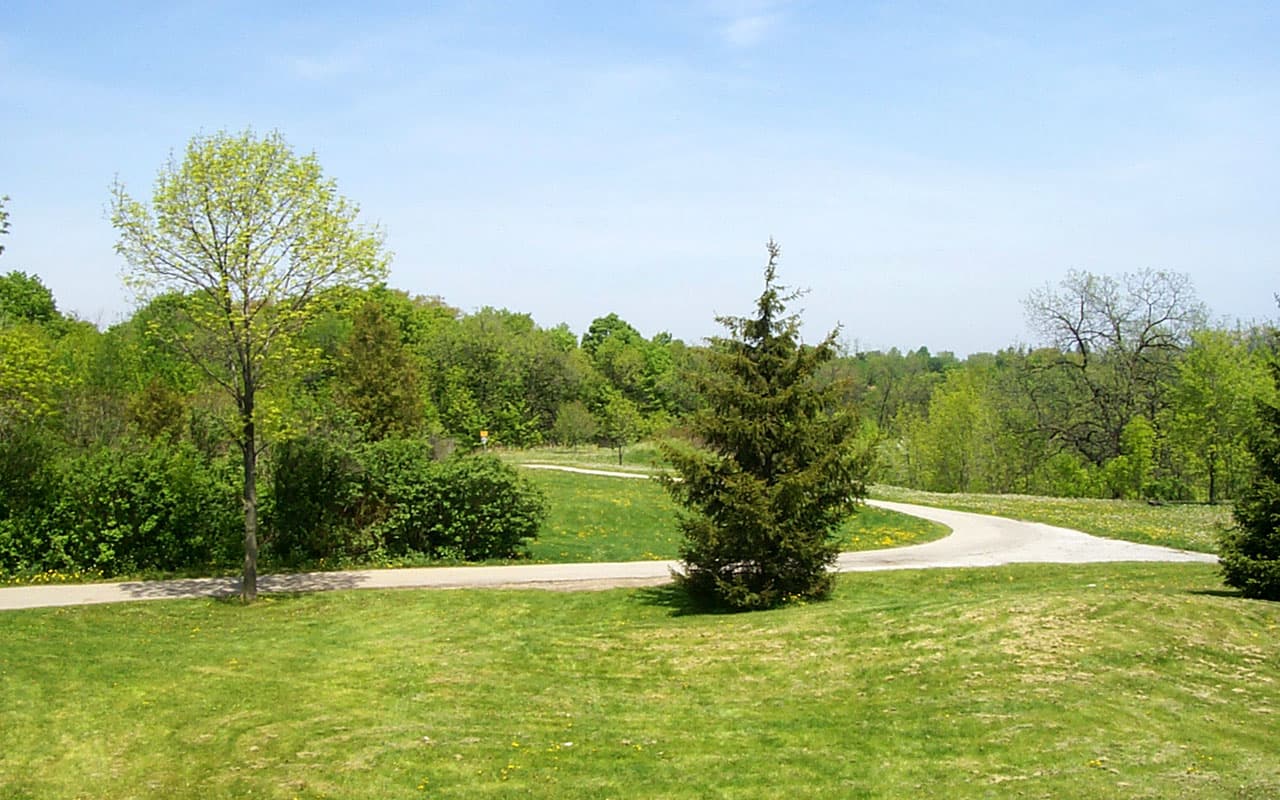
Earl Bales Park
Head north and stretch your legs in one of Toronto's most expansive green spaces — Earl Bales Park offers something every season of the year. Pack a blanket and a bottle of something cold for a summer picnic, hit the trails for a brisk after-work hike, or come winter, strap on skis and take advantage of the slopes right inside the city. It's an easy escape that feels surprisingly far from the downtown grind.

George Pratt House
Wander through York Mills Valley Park and discover this remarkable circa-1890 home, one of Ontario's earliest examples of poured concrete construction — a quiet architectural footnote that most Torontonians walk right past. Built by prosperous local miller George Pratt, it's a testament to the ingenuity of the city's early settlers. Folding this into an evening stroll through the valley gives you a surprisingly rich sense of the industrial heritage hiding just beneath Toronto's leafy north end.

Sarah and Chaim Neuberger Holocaust Education Centre
Spend an evening with something that truly matters — the Neuberger Holocaust Education Centre offers a quietly powerful experience through its archival photographs, personal artifacts, and survivor testimonies. The Young Voices from the Holocaust exhibit brings history into human focus in a way that stays with you long after you leave. It's the kind of place that reminds you why after-work hours can be more than just unwinding — sometimes they're for expanding your understanding of the world.

Prosserman Jewish Community Centre
Discover a genuine community hub that welcomes absolutely everyone through its doors — the Prosserman JCC is the kind of place where you can take a fitness class, explore a visual arts program, or simply connect with a warm and welcoming crowd. Rooted in Jewish culture but open to all, it's a refreshing reminder that the best community spaces are the ones built around shared humanity. Drop in after work and you might just find your next favourite weekly ritual.

Miller Tavern
Step into one of Toronto's most storied taverns, where nearly two centuries of history line the walls. Miller Tavern sits along Yonge Street with the quiet elegance of a Georgian-era roadhouse that's grown up gracefully — think warm lighting, classic cocktails, and the kind of comfortable hum that makes after-work feel genuinely restorative. Whether you're settling in for a drink with colleagues or flying solo at the bar, this place has a way of making Tuesday feel like a occasion.

City Within a City
Wander through one of Toronto's most layered and lively corners, where neighbourhoods like Clanton Park, Bathurst Manor, and Lansing-Westgate weave together into something that feels genuinely alive. This stretch of the city is less landmark, more lived-in — bustling with families, local shops, and the quiet energy of people going about real life. It's a perfect after-work stroll for anyone who loves discovering the city beyond the usual tourist trail.

Ski Hill
Head up to the ski hill at Earl Bales Park for one of the city's most underrated panoramic views — the downtown Toronto skyline stretching out beautifully to the south. Whether you're catching golden hour after work or snapping photos for the 'gram, this tucked-away hilltop delivers a genuine payoff. It's the kind of peaceful, unhurried escape that reminds you just how surprisingly expansive and beautiful this city really is.

John Bales House
Tuck yourself into Earl Bales Park and find something genuinely rare — a white stucco homestead that has stood since around 1824, making it the oldest surviving building in North York. The John Bales House is a quiet, beautiful relic of early Ontario vernacular architecture, nestled within a green park that's perfect for an early-evening walk. It's the kind of discovery that makes you pause your podcast and just take a moment to appreciate how deep Toronto's roots actually run.
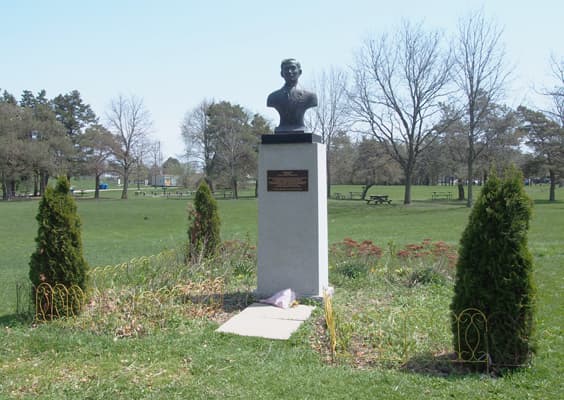
Dr. Jose P. Rizal Statue
Step into Earl Bales Park and find this dignified bronze tribute to Dr. Jose P. Rizal — national hero of the Philippines, gifted to Toronto by the Philippine government in 1998 to mark a century of Filipino independence. It's a meaningful pause point in a beautiful park setting, offering both history and a quiet moment of reflection. A lovely spot to learn something new on an after-work stroll.
Taste of Manila
Join thousands of food lovers every August at Taste of Manila, Toronto's beloved celebration of Filipino cuisine, culture, and community spirit. Organized by the Philippine Cultural Community Centre, this lively street festival brings together incredible dishes, live performances, and a warm, welcoming crowd. Mark your calendar — it's one of those summer events that genuinely feeds the soul.
Bathurst-Wilson Parkette
Wander up to the corner of Bathurst and Wilson to take in Ian Leventhal's sweeping neighbourhood mural, a sun-soaked homage to Seurat's pointillist masterpiece reimagined in a Toronto context. Funded through the city's Clean and Beautiful initiative, this parkette has quietly become a beloved community landmark over two decades. Bring a coffee, slow down, and let the colours do the talking.

Holocaust Memorial
Visit the Holocaust Memorial in Earl Bales Park, a profoundly moving outdoor monument created by Ernest Raab in 1991 and surrounded by eight marble Walls of Remembrance etched with the names of victims and survivors who made Canada their home. It's a quiet, contemplative space that invites reflection and honours an important chapter of human history. An essential stop for anyone who believes public memory matters.

Bell Box Mural by Andre Kan
Head up to Bathurst and Lawrence to catch Andre Kan's contribution to Toronto's beloved Bell Box Mural Project — a burst of colour and imagination wrapped around a utility box you'd otherwise walk right past. Kan's work is part of a growing outdoor gallery that's quietly reshaping how the city's streets feel after dark and after work. It's a free, five-minute detour that delivers a genuine moment of delight.

Bell Box Mural by Tak Bui
Seek out this striking Bell Box Mural by artist Tak Bui, which pays tribute to the area's aviation history — depicting a dramatic WWI air battle in which celebrated Canadian ace Billy Bishop shot down a German plane. It's a surprisingly moving piece of micro-history painted onto an everyday utility box, connecting the street to the legacy of the nearby Downsview airport. A perfect excuse to slow down, look closer, and let the neighbourhood tell its story.

Downsview Park
Escape the grid at Downsview Park, a sprawling 200-plus-hectare green space that was once a Canadian Forces Base and has since become one of the city's most interesting urban parks. Wind through forested trails, spot local wildlife, or catch one of the seasonal festivals and concerts that bring the community together throughout the year. It's the kind of place that genuinely surprises you — wilder and more expansive than you'd expect from a city park.
Bell Box Mural by Samantha Lam
Discover a hidden gem tucked into a quiet residential corner — a vibrantly painted bell box mural by local artist Samantha Lam that transforms everyday infrastructure into street-level art. These small-scale public works are easy to miss but deeply rewarding when you stumble upon them. Perfect for a slow evening walk with your eyes wide open.

Bell Box Mural by Bareket Kezwer
Keep your eyes open along Bathurst Street for this charming bell box mural by artist Bareket Kezwer, a small burst of creativity nestled into the everyday rhythm of the neighbourhood. Part of Toronto's broader public art tradition of transforming utility infrastructure into community expression, it's the kind of find that makes an after-work stroll feel like a mini gallery tour. Free, fleeting, and totally worth the detour.

Bell Box Mural by Andrea Manica
Pause your evening commute and take in this colourful bell box mural by local artist Andrea Manica, one of many small-scale public artworks quietly brightening Toronto's streetscape. These neighbourhood gems reward the observant wanderer who knows where to look, turning an ordinary utility box into an unexpected canvas. A perfect micro-moment of culture hiding in plain sight.

Unison Health & Community Services Bathurst-Finch Hub
Discover a stunning community quilt tucked inside the Bathurst-Finch Hub, a quiet testament to the creative energy of North York's youth. Born out of the Cultural Hotspot's SPARK Project in 2016, the piece was collaboratively stitched under the guidance of North York Visual Artists and tells the story of a neighbourhood through colour and craft. It's the kind of artwork that rewards a slow, thoughtful look.

Bell Box Mural by Ted Hamer
Seek out this vibrant bell box mural by Toronto artist Ted Hamer tucked into a residential stretch near Faywood Blvd. It's the kind of street-level surprise that makes an evening walk feel like a mini gallery tour — no ticket required. A perfect low-key detour for anyone who loves discovering public art that brings unexpected colour to everyday corners of the city.

Outside the Box Mural by Sophie Paas-Lang
Stumble upon this eye-catching mural by Sophie Paas-Lang at the corner of Keele St. and Victory Dr., where bold public art transforms an ordinary utility box into something worth pausing for. It's a lovely excuse to wander a neighbourhood you might not otherwise explore after work. Bring a friend, find the mural, and let the city's creative energy surprise you.

Bell Box Mural by Laya Crust
Track down this charming bell box mural by artist Laya Crust near Almore Ave., a small but striking work of public art that rewards those who pay attention to the details of their neighbourhood. Crust's distinctive style brings warmth and character to an otherwise easy-to-overlook corner of the city. Consider it a free, bite-sized art experience perfect for an unhurried post-work stroll.

Richmond Hill Manse
Discover the elegant Richmond Hill Manse, a neo-classical gem dating back to 1835 that once served as the residence of a Presbyterian minister on Yonge Street before finding its new home at Black Creek Pioneer Village. Over the decades it shapeshifted from church manse to store, Sunday school, and office — a building that quietly absorbed the rhythms of an evolving community. It's a beautifully layered piece of architectural and social history that feels as relevant and atmospheric today as ever.

Dickson's Hill School
Wander into a piece of living Ontario history at Dickson's Hill School, a real one-room schoolhouse built in 1861 and painstakingly moved brick by brick from Markham to Black Creek Pioneer Village. Discover what education looked like when kids of all ages shared a single classroom — and when forgetting your homework meant wearing a dunce cap in front of everyone. It's a genuinely fascinating glimpse into 19th-century rural life that sparks great conversation for visitors of all ages.
Burwick House
Step back into 1844 and explore one of Black Creek Pioneer Village's most charming historic homes, originally built by Rowland Burr in Woodbridge and carefully relocated here. The Burwick House is a beautifully preserved example of rural Georgian architecture that tells the quiet story of 19th-century Ontario life. Kids and curious adults alike can try their hand at traditional needlework stitches, just as young girls once did in the 1860s — a surprisingly meditative and hands-on way to connect with the past.

Doctor's House
Explore the Doctor's House at Black Creek Pioneer Village, a beautifully preserved 1830s farmhouse originally relocated from Brampton that offers a fascinating glimpse into early rural Ontario life. Its clever dual-wing design — separating a family residence from a medical office — tells a quietly compelling story about how community and profession intertwined in pioneer times. History fans and curious wanderers alike will find plenty to linger over here.

MacKenzie House
Step back into a piece of living Ontario history at MacKenzie House, a charming structure that began its life as a pioneer log cabin around 1830. Tied to a lineage of early Canadian political life, this relocated and restored home offers a grounding reminder of how layered Toronto's roots really are. It's the kind of low-key, thought-provoking stop that rewards the curious — perfect for a contemplative after-work detour that feels nothing like scrolling your phone.

York Woods Library and Theatre
Tuck into one of Toronto's most underrated community anchors — a public library that doubles as a proper theatre venue. York Woods Library offers a warm, welcoming space where after-work evenings can take a genuinely cultural turn, whether you're catching a performance, browsing the stacks, or simply unwinding somewhere that feels nothing like the office. It's the kind of neighbourhood gem that reminds you great evenings don't require a big budget.

Laskay Emporium and Post Office
Step back in time at this beautifully preserved 19th-century general store, a living snapshot of rural Ontario life before the age of big-box everything. Originally built in 1845, this compact gem once served as grocery, post office, and pharmacy all under one roof — a true community hub of its era. Wander through its restored interiors and let yourself imagine a slower, more self-sufficient way of life. It's a quietly fascinating stop for history lovers and curious minds alike.
Bolton Shop (Photographer's Studio)
Try something wonderfully unexpected at this heritage photographer's studio, where you can dress up in authentic pioneer-era clothing and sit for a portrait just like Canadians did in the 1840s. It's part history lesson, part playful experience — the kind of thing that makes for an unforgettable evening out with friends or family. The restored Bolton Shop sets an entirely convincing scene, making your photos feel genuinely pulled from another century. Charming, free, and genuinely fun.

Untitled
Seek out this striking billboard-style sculpture by Toronto artist Brian Groombridge, where copper and stainless steel panels form a shimmering checkerboard alive with symbols drawn from 15th-century iconography. Groombridge's work challenges the flat image by pushing it into three-dimensional space, blurring the line between painting, sculpture, and signage. It's a quietly intellectual piece that rewards a slow, curious look on your way home.

Ahqahizu
Stand before Ahqahizu and feel the quiet power of a 26-tonne granite Inuit soccer player, silver-eyed and poised beneath imagined northern lights. Carved with extraordinary detail, this monumental work weaves together Inuit culture, sport, and cosmology into a single breathtaking form. It's the kind of public art that stops you mid-stride and stays with you long after you've walked away.

Fontana D'Italia
Step into the orbit of Fontana d'Italia, the striking fountain sculpture unveiled in 1993 by celebrated Italian Transavantguarde artist Enzo Cucchi. Born from five years of careful planning, this work channels Cucchi's signature blend of spiritual emotion and bold visual storytelling into a piece that feels equally at home as a landmark and a quiet contemplation spot. Catch it after work when the light shifts and gives the whole thing a different mood.

York University - Art Inside and Out
Stroll one of Canada's most creatively charged campuses and let the art come to you. York University's School of Arts, Media, Performance & Design infuses the grounds with energy — from thoughtfully curated indoor gallery spaces to bold outdoor installations scattered across the landscape. It's a genuinely refreshing way to spend an evening, mixing a leisurely walk with unexpected encounters with emerging and established artists shaping Canadian culture.

Noire, Solaire, Basse (Les Tables De Sable, #2)
Discover a striking work of public art that blurs the line between sculpture, landscape, and architecture. Jocelyne Alloucherie's site-specific installation uses concrete and rare black Cambrian granite to draw quiet, poetic connections between the built world and the natural one. Tucked between two campus buildings, it rewards those who slow down long enough to really look. A meditative, unexpected encounter with serious contemporary art — and it won't cost you a thing.

Crisscross Flats
Seek out this bold outdoor sculpture by legendary British artist Anthony Caro, created during his celebrated residency at York University in the mid-1970s. Part of a remarkable series of 35 works born from that prolific year on campus, Crisscross Flats sits along Library Lane as a quiet testament to serious artistic ambition. It's the kind of public art that rewards a slow, deliberate look — abstract, steel, and strangely alive in the open air. A free encounter with art history, right on your doorstep.

Art Gallery of York University
Explore one of Toronto's more underrated contemporary art spaces, tucked inside York University's Accolade East Building. The Art Gallery of York University mounts thoughtful, rotating exhibitions that hold their own against the city's bigger institutions — without the crowds or the admission fee. Whether you're an art world regular or just looking to add some culture to your Tuesday evening, this is a genuinely enriching place to spend an hour. Come curious, leave inspired.

The Encounter
Seek out this quietly compelling bronze sculpture tucked on the University of Toronto Scarborough campus and let it make you think. William McElcheran's The Encounter depicts ordinary businessmen mid-stride, deliberately elevating the everyday working person to the status of monument. It's a surprisingly moving piece of public art that rewards a slow look — the kind of after-work detour that leaves you reflecting on who we choose to celebrate and why.

Spacing Aerial Highways
Pause your commute at Lawrence West Station and let the sweeping ceramic tile mural wash over you — a riot of vibrant colours and bold abstract patterns that turn an everyday transit stop into an unexpected gallery moment. Spanning both the interior and exterior of the station, this is public art doing exactly what it should: making the mundane feel alive. Next time you're passing through, give yourself an extra minute to really take it in.

Deep Roots, Limitless Heights
Discover a powerful piece of community storytelling at Lawrence Heights Community Centre, where a sweeping mural painted by local youth — guided by award-winning artist Joshua Barndt — traces the neighbourhood's journey from its late-1950s origins to its present-day identity as a vibrant affordable housing community. The work pulses with pride, resilience, and intergenerational memory. It's the kind of public art that stops you in your tracks and reminds you why neighbourhood stories deserve to be told on the largest canvas possible.

Lawrence Underpass Mural
Wander beneath one of Toronto's most striking large-scale murals and let it stop you in your tracks. Stretching an impressive 385 feet across the Lawrence Avenue railway underpass, this vibrant environmental mural was brought to life by StreetARToronto in collaboration with the Centre for Spanish Speaking Peoples. It's a quiet, thought-provoking detour that blends street art with a message — perfect for an unhurried stroll after work when the light hits the colours just right.

Kobar
Pause and puzzle over Kosso Eloul's striking geometric sculpture, Kobar — a stainless steel work that seems to defy gravity with quiet confidence. Eloul was a master of tension and balance, placing industrial forms at unexpected angles to make you question what's holding everything together. It's the kind of public art that rewards a moment of stillness after a busy day, inviting you to stand there a little longer than you planned.

Bony Bus/Sliding Pi
Make your next TTC commute a mini gallery visit by stopping to appreciate the two distinct public artworks at Sheppard West Station. Outside, John McKinnon's playful Bony Bus — a cheerful, doodle-like metal sculpture — brings a smile before you've even stepped inside. Head through the doors and you'll find the more cerebral Sliding Pi, a fascinating mathematical counterpoint that proves Toronto's transit system has more culture than you might expect.

Public Art Discovery Tour - 2
Explore a neighbourhood that wears its creativity on its walls, overpasses, and open spaces. The stretch of North York west of Allen Road is dotted with community-driven public art pieces — many born from local arts organizations dedicated to giving both emerging artists and youth a real canvas. Lace up comfortable shoes and treat this self-guided after-work wander as both a cultural outing and a breath of fresh air beyond the downtown core.

Knowledge is Power by Art Starts
Stroll under the Allen Road underpass near Yorkdale Station and let this vibrant community mural stop you in your tracks. Painted in 2010 by local youth through Art Starts, it's a joyful, large-scale celebration of the Lawrence Heights and Neptune communities, with real faces and real stories woven into every panel. A genuinely moving reminder that public art can be an act of belonging.

Canyons
Discover this quietly mesmerizing cast aluminum relief sculpture the next time you pass through Wilson Station — it's the kind of thing that rewards a second glance. Canyons draws on the drama of geological strata, echoing the deep earth layers disturbed during subway construction, which makes it a beautifully site-specific find. Let it turn your commute into a moment of unexpected wonder.

Sports Heritage Mural (2014)
Celebrate the surprisingly storied athletic legacy of Toronto's Riverside neighbourhood with this spirited mural tucked along Munro Street. From one of the city's oldest cycling and curling clubs to the very grounds where professional baseball first took root in Toronto, there's more sporting history here than most locals realize. It's a great conversation starter on an easy after-work walk through the east end.

Welcome to Riverside Mural (2013)
Discover a vibrant piece of community storytelling painted right at the gateway to one of Toronto's most characterful east-end neighbourhoods. Born out of the beloved Riverside Eats & Beats Festival, this mural reflects the voices and vision of locals who shaped its design together. Swing by after work for a slow stroll along Queen Street East and let this welcoming splash of colour set the tone for your evening.

Guidant (2017)
Pause your commute and take in this kinetic mural from graffiti artist Mediah, a bold visual ode to movement, momentum, and the humble bicycle. Positioned right beside a Bike Share Station on Queen East, it's one of those happy accidents of city planning where the art and its surroundings actually speak to each other. Best enjoyed on foot or, naturally, rolled up to on two wheels after a long day.

Graffiti Alley East (2015)
Explore the vibrant alleyways tucked behind Gerrard Street East, where a sprawling open-air street art corridor brings colour and energy to an otherwise overlooked stretch of the city. Inspired by the beloved Rush Lane in the west end, Graffiti Alley East is a living, evolving gallery that showcases some of Toronto's most compelling mural work. Bring a friend, take your time, and let the art surprise you around every corner.

Reggae Lane Mural
Head to Eglinton West and pay tribute to Toronto's rich reggae roots at Reggae Lane, a stunning mural that honours the artists and culture that made Little Jamaica legendary. Lead artist Adrian Hayles, alongside The STEPS Initiative and The Laneway Project, brought icons like Johnny Osbourne, Stranger Cole, and Bob Marley to life in vivid, larger-than-life colour. It's a deeply resonant piece of public art that feels less like a detour and more like a destination.

Streetcar Mural
Stop by the side wall of OK OK Diner on Queen East and let this wonderfully weird retro mural pull you in. A vintage Toronto streetcar shares the frame with robot-human hybrids, while the screens they carry flash nostalgic icons like Muhammad Ali and Billie Holiday. It's playful, thought-provoking street art that feels like a love letter to analogue culture — snap a photo and then head inside the diner for a coffee.

Leslieville Mural (2017)
Discover this community-rooted mural on Queen East that doubles as a love letter to the neighbourhood itself. A hand-illustrated map traces the contours of Leslieville, layered with scenes of the area's human history, while the word "Leslieville" blazes across the top in glowing lights. It's the kind of piece that makes you feel like an insider — a warm, artistic landmark that rewards those who slow down enough to really look.

Four-D (2013)
Wander east to Gerrard Street and take in this vibrant mural born from a collaboration with the Gerrard India Bazaar BIA. Rich patterns drawn from South Asian textile traditions cover the wall in a riot of colour and geometric detail — the kind of public art that makes a neighbourhood feel alive. It's a perfect quiet detour after work, offering a moment of beauty and cultural storytelling right on the street.

Jimmie Simpson Park and Recreation Centre
Head to Jimmie Simpson Park and Recreation Centre for a proper taste of east-end Toronto community spirit. Sitting at the crossroads of Riverside and Leslieville, this well-loved green space buzzes with arts events, cultural programming, and the kind of neighbourhood energy that makes you glad you live in this city. Whether you're joining a drop-in activity, catching an outdoor event, or simply soaking up the scene after work, it's one of those places that always has something going on.

Tkaranto Past/Tkaranto Future Mural
Pause in front of this striking mural on Queen Street East and let it tell you the layered story of Tkaranto — the city we now call Toronto. Spanning Indigenous histories and the many waves of people who've since called this place home, the artwork is both a celebration and a reckoning, rendered in vivid colour and depth. It's the kind of public art that asks you to slow down, look closely, and leave knowing a little more about the land beneath your feet.

Sunlight Stadium, Toronto's First Baseball Grounds
Pause at this storied Queen Street East site and connect with a surprisingly deep slice of Toronto sporting history. Long before the Blue Jays arrived, this was the home of the Toronto Torontos, the city's first pro baseball club, who claimed an International League championship here back in 1887. A short detour for history buffs and sports fans alike — the kind of hidden gem that makes a post-work neighbourhood walk feel genuinely rewarding.

The Opera House
Catch a show at The Opera House, one of Queen Street East's most beloved and enduring entertainment venues. Opening its doors back in 1909 as a vaudeville and silent film theatre, this iconic red brick building has reinvented itself time and again while never losing its raw, electric energy. Whether it's an indie band, a DJ night, or a comedy act, a night here feels like plugging into the living heartbeat of Toronto's East End music scene.

Pollinator Mural
Seek out this stunning outdoor mural on Queen Street East and let street artist Nick Sweetman's vibrant imagery shift your perspective on the urban ecosystem around you. Bursting with pollinators, wildflowers, and subtle nods to timekeeping, the piece celebrates Riverside's deep roots in beekeeping and green-space culture. It's the kind of public art that transforms a quick after-work stroll into something genuinely moving — a reminder that creativity and community grow best together.

Royal Canadian Curling Club
Step into one of Toronto's most storied sporting clubs and discover the surprisingly addictive world of curling. The Royal Canadian Curling Club has been a neighbourhood fixture since the 1880s, evolving from a cycling club into a beloved community ice house at 131 Broadview. Whether you're a seasoned sweeper or a total newcomer, this historic venue offers a genuinely warm and welcoming place to connect with fellow Torontonians over a sport that's equal parts skill and camaraderie.

Poulton Block
Wander east along Queen Street and let the Poulton Block stop you in your tracks — its Gothic Revival brickwork and Masonic heritage make it one of the neighbourhood's most quietly fascinating landmarks. Built in 1885 by painter and Freemason William B. Poulton, the building's pointed third-floor windows and carved inscription are a living slice of Victorian Toronto. It's the kind of detail that rewards the curious, and a perfect excuse to slow down and read the city like a book.

Broadview Hotel
Head to the Broadview Hotel and soak in over a century of Toronto history wrapped in stunning Richardson Romanesque-Revival brick. Once the tallest building east of the Don River when it opened in 1891, this grand landmark has been lovingly reimagined as one of the city's most atmospheric spots for a drink with a view. Even if you're just popping in to admire the architecture, the rooftop terrace and beautifully restored interiors make it well worth the detour.

Maple Leaf Forever House
Step into a quietly remarkable slice of Canadian history on a residential Leslieville street. The modest home at 62 Laing St. is where Alexander Muir composed 'The Maple Leaf Forever' in 1867 — inspired, legend has it, by a silver maple whose ancient stump still rests nearby in Maple Leaf Park. It's the kind of tucked-away landmark that rewards the curious: a free, unhurried wander through the neighbourhood that connects you to the very roots of Confederation-era Toronto.

Red Sandcastle Theatre
Discover one of Toronto's most beloved indie theatre gems tucked along Queen Street East. Red Sandcastle Theatre punches well above its storefront size, hosting around 40 productions a year from emerging local artists and scrappy independent companies who call this creative hub home. Whether you're catching a bold new work or stumbling into something delightfully experimental, owner Rosemary Doyle has built a space that feels genuinely alive — the kind of neighbourhood theatre that reminds you why live performance matters.

Duke of York Inn
Step into one of Toronto's most storied watering holes and feel the weight of over 150 years of East End history. The Duke of York Inn has been welcoming locals since the 1870s, originally built by brick merchant James Morin using his own pressed bricks. Pull up a stool, order a pint, and soak in a space that has outlasted empires, pandemics, and every passing Toronto trend — a rare, living piece of the city's past.

TTC Russell Carhouse
Take a leisurely walk past the TTC Russell Carhouse and catch a glimpse of the mechanical heartbeat behind Toronto's beloved streetcar network. Built in 1913 and still very much in operation, this working facility services half the city's streetcar fleet and carries over a century of transit history within its walls. It's a surprisingly compelling stop for anyone who's ever wondered what keeps those iconic red vehicles rolling — urban infrastructure rarely tells a richer story.

Fire Station 227
Admire one of the east end's most handsome civic landmarks — a fully operational fire station that has stood proud since 1905 and shows no signs of slowing down. Known locally as Kew Beach Fire Hall, the Queen Anne–style structure and its dramatic 80-foot clock tower make for a genuinely photogenic detour on any Queen Street East stroll. It's the kind of neighbourhood fixture that reminds you Toronto's architectural heritage isn't confined to downtown — sometimes the best stuff is hiding in plain sight a few blocks from the beach.

Circle of Trees - Time Piece (2000)
Wander into Woodbine Park to discover one of Toronto's most quietly poetic public artworks. Laurie McGugan's Circle of Trees pairs seven living maples with a single bronze cast, inviting you to sit with questions about growth, memory, and what endures. It's the kind of installation that rewards a slow Tuesday evening stroll — no ticket required, just a willingness to look a little closer at the world around you.

Village by the Beach
Step back in time with a self-guided tour through the historic Beaches neighbourhood, where the echoes of early Toronto resort life are still visible in the streetscapes and shoreline. Starting at Coxwell and Eastern, this walk uncovers the amusement parks, sailing clubs, and summer cottages that once made this stretch of the city a beloved getaway. It's a surprisingly rich history lesson hiding in plain sight — and a perfect excuse to end up at the water.

Woodbine Park
Explore Woodbine Park, a beautifully reimagined green space that traded its century-old horse-racing legacy for open lawns, winding paths, and a welcoming neighbourhood feel. Built on the former Greenwood Racetrack site, the park carries a fascinating layered history beneath its relaxed modern surface. It's an ideal spot to decompress after work — catch the last of the evening light, stretch your legs, and let the city's past quietly unfold around you.

Glenn Gould's Family Home (Private Residence)
Step back into musical history with a quiet pilgrimage to the childhood home of Glenn Gould, one of the most iconic classical pianists the world has ever known. The modest house on Southwood Drive is where a prodigy grew up, eventually recording the Goldberg Variations that would change classical music forever. It's a peaceful, contemplative stop — perfect for music lovers who appreciate the quieter corners of Toronto's cultural story.
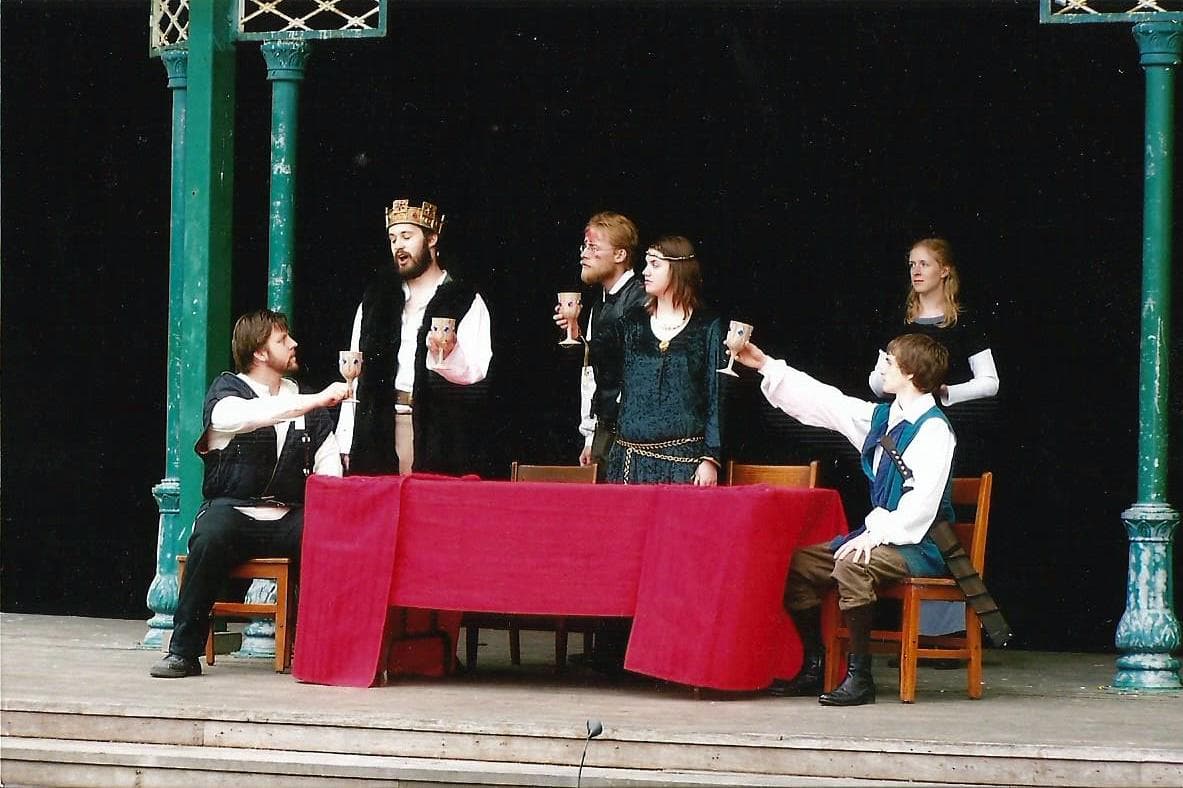
Bard in the Park
Catch a Shakespeare play under the open sky at Kew Gardens with Bard in the Park, a beloved Beach neighbourhood tradition that's been bringing the Bard to life for over a decade. Pack a blanket, grab a coffee from a nearby café, and settle in for an evening of outdoor theatre that feels effortlessly magical. It's the kind of spontaneous, soul-filling night out that Toronto summers were made for.

Ivan Forests and Glen Stewart Ravine/Park
Escape the after-work buzz with a winding walk through Ivan Forrest Gardens and Glen Stewart Ravine — one of the Beach neighbourhood's best-kept green secrets. Enter from Queen Street and meander past a rock garden and fountain before following the trail north into a lush, forested ravine that feels worlds away from the city. It's the kind of restorative stroll that reminds you why living in Toronto is genuinely special.

Gardener's Cottage
Tuck yourself into the leafy grounds of Kew Gardens to find this charming stone cottage, built by hand around 1902 using shale and limestone pulled straight from the shores of Lake Ontario. The Gardener's Cottage is one of the neighbourhood's most quietly enchanting landmarks — a two-storey survivor that outlasted the city's redevelopment plans and still anchors the park with old-world character. It's a perfect starting point for an early evening wander through Kew Gardens, especially when the late-day light hits the stonework just right.

Fox Theatre
Step back in time at one of Toronto's most beloved neighbourhood cinemas, a single-screen gem that has been welcoming movie lovers since 1914. The Fox Theatre carries over a century of stories within its walls, from the silent film era right through to today's curated programming. Whether you're catching an indie flick or a classic revival, there's something deeply satisfying about experiencing film the old-fashioned way — in a space that genuinely earned its place in the city's cultural fabric.

Kew Gardens
Escape the after-work rush at Kew Gardens, a beloved green space along Queen Street East that has anchored the Beach community for well over a century. Named after London's famous botanical gardens, this former resort-turned-public-park offers shady lawns, mature trees, and a gentle pace that feels worlds away from downtown. Whether you bring a blanket, a book, or just yourself, it's one of those rare spots that genuinely slows you down.

More to Explore Along the Shore
Follow Toronto's eastern shoreline for an after-work reset that blends fresh lake air with genuine local history. Stretching along Lake Shore Boulevard East toward Leslie Street, this parkland corridor is dotted with heritage structures — old lifeguard stations, weathered boardwalk sections, and remnants of the city's early leisure culture. It's the kind of walk that clears your head and reminds you just how much beauty Toronto keeps tucked along its waterfront.

Gardiner Expressway, Celebration of Absence and Rebirth of Community (2003)
Discover a quietly poetic slice of Toronto's urban history where an abandoned expressway extension meets the lakeshore. The stub of the never-finished Gardiner sits alongside the Lower Don Recreational Trail, and an evocative public art installation marks the spot where community pushed back against the car. Stroll the trail at golden hour and you'll find the whole thing has an almost cinematic, contemplative quality that rewards the curious.

Boardwalk
Lace up your sneakers and head to one of Toronto's most beloved waterfront stretches — a classic wooden boardwalk that winds along the lake from Woodbine Avenue to Silver Birch, connecting parks and beaches with easy, breezy charm. Whether you're after a post-work jog, a slow sunset stroll, or somewhere to decompress with your headphones in, this historic lakeside path delivers every time. It's the kind of place that makes you genuinely proud to live in this city.
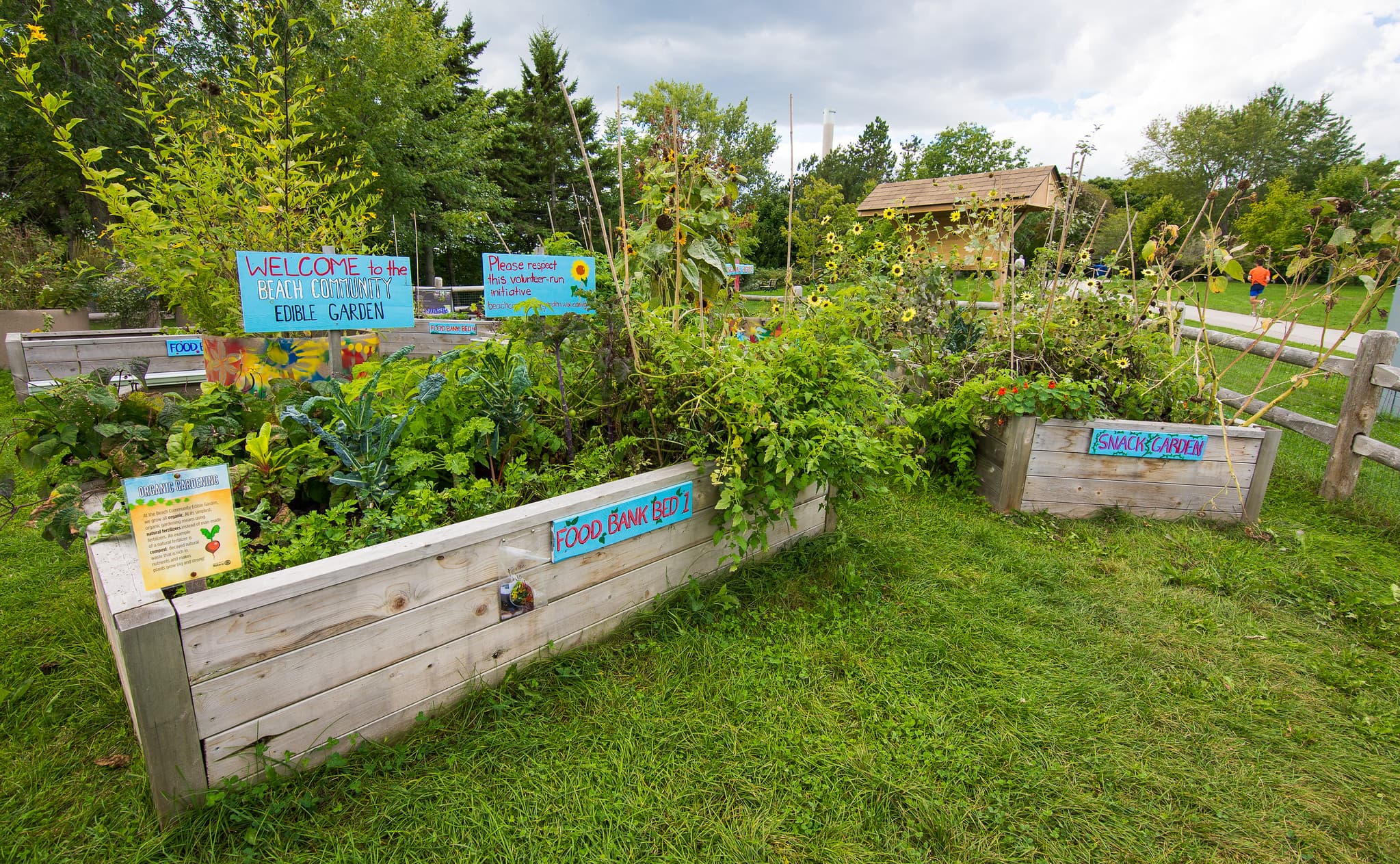
Beach Community Edible Garden
Spend a quiet evening among raised garden beds at this community-run edible garden tucked into the southwest corner of Ashbridges Bay Park, where local residents grow fresh fruits and vegetables steps from the lake. It's a grounding, feel-good spot that celebrates neighbourly connection and sustainable living in equal measure. Even if you're just passing through, the lush greenery and the easy lakeside setting make it a surprisingly restorative little detour after a long day.

Ashbridges Bay Wastewater Treatment Plant
Discover the surprisingly fascinating story behind one of Canada's largest and oldest wastewater treatment plants, tucked along Toronto's eastern lakeshore. Ashbridges Bay Treatment Plant serves over 1.5 million residents, and its history is deeply tied to the city's public health evolution — including a critical response to a serious typhoid outbreak in the early 1900s. It's the kind of place that sounds unlikely on a night-out list, but guided tours offer a genuinely eye-opening look at urban infrastructure and environmental history that will change how you think about your city.

Beach Skatepark
Lace up and head to one of Ontario's biggest and best concrete skateparks, right along the eastern lakefront. Built in a street-plaza style, Beach Skatepark delivers a seriously impressive lineup of features — ledges, banks, stair sets, rails, and a gnarly eleven-foot kidney-shaped bowl that draws seasoned skaters from across the city. Even if you're just there to watch, the energy is infectious. It's a genuinely welcoming scene after work, whether you're dusting off your board or discovering a new favourite hangout spot.

Leslie St. Allotment Gardens
Dig into something grounding at the Leslie Street Allotment Gardens, a city-run green space that taps into the east end's deep roots in market gardening and community farming. Nestled at the foot of Leslie Street, this patchwork of cultivated plots is equal parts productive and peaceful — a rare urban exhale. Strolling through the rows of herbs, vegetables, and flowers feels like stepping into a slower, more intentional version of city life. If you've been thinking about getting your hands in the soil, this is a wonderful place to explore what that could look like.

Tommy Thompson Park/ Leslie Street Spit
Escape the city grid by wandering one of Toronto's most unexpected natural retreats — a man-made peninsula that's quietly become a haven for birds, wildflowers, and anyone craving a breath of lake air. Tommy Thompson Park stretches dramatically into Lake Ontario, offering sweeping skyline views and kilometres of trails through meadows and wetlands. It's the kind of place that genuinely surprises first-timers and keeps regulars coming back every season.
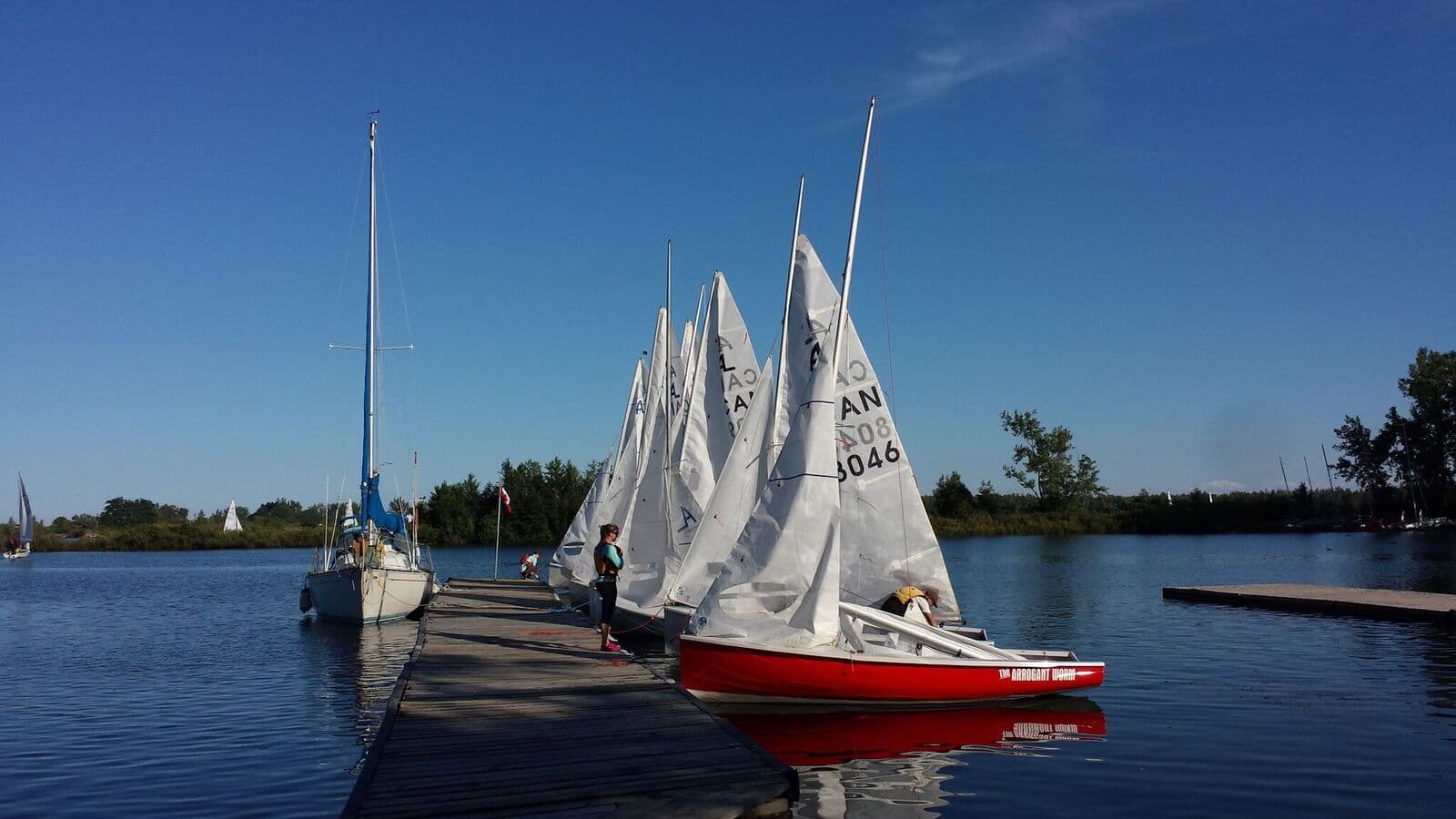
East End Boating Clubs
Wander down to the eastern waterfront and soak in the laid-back maritime culture that's defined this stretch of shoreline for nearly a century. Toronto's east-end boating clubs carry decades of sailing heritage, and even if you're not a member, the docks, boats, and breezy atmosphere make for a wonderfully unhurried after-work stroll. It's a reminder that Toronto has always had a genuine relationship with the lake — one that predates condo towers by a long stretch.

The Leuty Lifeguard Station
Wander down to the eastern waterfront and take in one of Toronto's most beloved landmarks — the Leuty Lifeguard Station. This charming 1920s clapboard cottage, trimmed in green with a red cedar shingled roof, carries a quiet, nostalgic magic that stops visitors mid-stride. Designed by Chapman and Oxley, it punches well above its modest size in terms of local affection. Whether you're catching a golden-hour stroll or snapping photos along the boardwalk, it's the kind of spot that reminds you why Toronto's east end has such devoted fans.

Kew Beach Park Boathouse
Take a walk along the Beaches boardwalk and stop to appreciate the Kew Beach Boathouse, one of the last surviving structures of its kind on Toronto's waterfront. Built in 1932 and battered by Hurricane Hazel, it carries the kind of weathered character that newer lakefront developments simply can't replicate. Pair it with a stroll along the boardwalk at dusk and you've got one of the most charming free evenings the east end has to offer.

Air India Sundial
Pause for a moment of quiet remembrance at the Air India Sundial in Humber Bay Park East, a deeply moving memorial dedicated to the 329 lives lost in the 1985 bombing of Air India Flight 182. Modelled after a sister memorial in Ireland where the tragedy unfolded, the sundial stands as a place for reflection, grief, and collective memory. It's a solemn but meaningful stop on any lakeside evening walk — a reminder of the stories woven into the city's public spaces.

Humber Bay Park East
Head out to Humber Bay Park East after work and let the city skyline do the talking. This man-made lakeside peninsula offers sweeping views of Lake Ontario alongside well-kept trails perfect for an evening walk, jog, or bike ride. Wildlife sightings are surprisingly common here, making it a genuinely restorative escape that feels worlds away from your desk — even though you're only minutes from downtown.

The Shoreline
Head out to Humber Bay Park East for a waterfront escape that delivers sweeping lake views and a surprisingly wild shoreline created from clean landfill at the mouth of Mimico Creek. Whether you're watching kiteboarding from the rocky banks, launching a kayak, or simply breathing in that open-water air after a long day, this spot punches well above its weight. The naturalized habitat also draws a fascinating mix of birds, making it a quiet win for nature lovers.

Humber Bay Butterfly Habitat
Wander through one of Toronto's most quietly magical green spaces, where native wildflowers and carefully planted grasses create a living sanctuary for butterflies at every stage of their lifecycle. Spread across more than a hectare in Humber Bay Park East, this habitat rewards slow walkers and curious minds alike. Interpretive signs dotted along the path turn a casual evening stroll into something genuinely educational — a rare kind of after-work reset that feels both grounding and a little wonder-filled.

Humber Bay Shores Park
Discover one of Toronto's more unexpected green escapes — a park literally built on reclaimed lakefill, jutting out where Mimico Creek meets Lake Ontario. Humber Bay Shores Park connects seamlessly to the Martin Goodman Trail, making it a natural stop on an after-work run or cycle along the waterfront corridor. The views of the city skyline from out here are legitimately stunning, and the open, breezy atmosphere gives the whole place a rare sense of calm that's hard to find closer to downtown.

Mimico Mural (2017)
Take a moment to stand in front of Herman Mejia's vibrant love letter to Mimico — a bold, abstract mural that weaves together the Toronto skyline, the lakeshore, and the neighbourhood's own main streets into one striking composition. Look closely and you'll spot a pigeon and the Ojibwe name Omiimiikaa, honouring the area's deep Indigenous roots. It's the kind of public art that rewards a slow look, and makes an evening walk along Lake Shore Blvd. W. feel genuinely enriching.

Lakeshore Arts & Smith Zone Gallery
Wander into Lakeshore Arts' Smith Zone Gallery for a dose of community-rooted creativity that's been enriching this stretch of the lakeshore since 1993. The space champions accessible arts programming and rotating exhibitions that genuinely reflect the neighbourhood's character and voices. Whether you're an art enthusiast or just curious, it's a welcoming spot to slow down, take in some local work, and connect with a creative community that truly cares about where it lives.

Humber Bay Park West
Shake off the workday with a leisurely wander through Humber Bay Park West, where lakeside trails, shaded picnic spots, and a beloved off-leash dog area make it easy to unwind at your own pace. The marina hums with quiet nautical energy as sailboats bob in their slips, and panoramic views of Lake Ontario stretch out in every direction. Whether you're bringing the dog, the family, or just yourself, this park delivers a genuine breath of fresh air.

Down the Creek Way & Morning Ice Harvest on the Humber (2012)
Wander past this striking pair of murals on Lake Shore West and you'll find yourself pulled into two different eras of the same neighbourhood. Artists Jim Bravo and Emanuel Ciobanica painted these side-by-side works to honour the community's deep connection to the water — one a sun-drenched scene of swimmers splashing in Mimico Creek, the other a wintry glimpse of ice harvesting on the Humber. Together they make a surprisingly rich little history lesson hiding in plain sight on your evening walk.

In Perspective (2010)
Slow down and take in this quietly moving community mural along Lake Shore West, where real neighbourhood faces are painted into everyday scenes of local life. Born from a Lakeshore Arts contest, artist Matthew Hansen wove together resident-submitted portraits into a warm, street-level snapshot of the community — a bearded man on a path, a woman at a café. It's the kind of public art that rewards a second glance and makes an ordinary evening stroll feel a little more meaningful.

Migratory Bird Mural (2006) and Fowl Play (2013)
Seek out this striking double mural along Lake Shore West, where local artist Gordon Roy transformed a building facade into a lush celebration of migratory birds and coffee trees. The 2006 work wraps around the exterior with warmth and detail, and a follow-up piece added in 2013 keeps the conversation going. It's the kind of public art that makes an ordinary evening walk feel like a proper gallery outing.

Wave (2012)
Discover this playful, large-scale mural stretching along the fence beside Amos Waites Park, where artists Patrick Thompson and Alexa Hatanaka captured the rhythm of Lake Ontario in a continuous, flowing wave. Painted in 2012, the 7-metre-plus installation feels alive and joyful — a fitting tribute to the waterfront community it calls home. Bring a friend, grab a coffee nearby, and let it set the mood for a relaxed lakeside evening.

Great Lakes Waterfront Trail
Lace up and hit one of the most scenic stretches of trail in the country, where the Great Lakes Waterfront Trail traces the glittering edge of Lake Ontario and beyond. Starting from the western lakeshore, this interconnected path links you to hundreds of kilometres of shoreline — perfect for an ambitious evening ride, a long run, or simply a peaceful walk with the water beside you. It's the kind of route that makes you remember why living in a lakeside city is genuinely special.

Lakeshore Aquarium (1999)
Take a few minutes to pause in front of this vivid aquatic mural stretching across a Lake Shore wall, where dolphins, coral, and tropical fish transform a stretch of urban streetscape into something wonderfully unexpected. Painted through the Equally Healthy Kids Graffiti Transformation Project with support from Lakeshore Arts, the piece cleverly turns four blocked windows into portholes into an imagined aquarium. It's a small but genuinely delightful detour on any west-end walk.

Mimico Post Office
Wander past a slice of Toronto's postal history at the former Mimico Post Office, a charming heritage building that has barely changed since the early 20th century. Step back in time as you take in the preserved exterior and imagine the mail routes that once connected this tight-knit lakeside community. It's a quiet, unhurried stop that rewards the curious — perfect for a slow evening stroll through the neighbourhood.

Mimico Memorial Garden and Cemetery
Take a quiet detour through one of Mimico's most historically layered outdoor spaces, where the roots of Toronto's oldest Anglican congregation — dating back to 1827 — are still quietly present in the landscape. The original cornerstone of Christ Church Mimico is embedded right in the stone entranceway, giving this peaceful park a tangible connection to nearly two centuries of local life. It's the kind of tucked-away spot that rewards the curious, offering a moment of stillness and reflection after a long day.

Commemorating 50 Years of the Canadian Flag (2014)
Pause in front of this award-winning mural by local artist Chris Irvine, painted to mark the 50th anniversary of the Canadian flag. Recognized by the Toronto Association of Business Improvement Areas in 2014, it's a proud, beautifully executed piece of public art that wears its civic spirit lightly. A quick detour on any Lakeshore stroll, it's the kind of find that reminds you how much history is quietly painted into the city's walls.

Bike Lane Murals
Ride or walk the Great Lakes Waterfront Trail and take in one of Toronto's most dynamic outdoor art installations along the way. Twenty-nine local artists painted the concrete barriers lining the bike lanes, each interpreting the four seasons in their own distinct visual language — making every stretch of the route feel like a new gallery wall. It's the perfect excuse to hop on your bike after work and let the city's creative energy carry you west.

Tulip Festival
Wander through a cheerful springtime celebration where oversized tulip sculptures turn Royal York Road into a technicolour promenade. Mimico Village's beloved annual festival brings the community together with family-friendly events, local vendors, and plenty of reasons to linger outdoors as the season finally warms up. It's the kind of low-key neighbourhood moment that reminds you why you love this city.

Mimico Train Station
Step back to 1916 and discover a beautifully preserved piece of Toronto's railway past at the historic Mimico Train Station. Built during an era when the railways were literally shaping the map of Ontario, this station is a quiet landmark worth seeking out for anyone curious about how communities like Mimico came to be. It's a quick, grounding detour that connects the everyday commute to something much bigger.

Jean Augustine Centre for Young Women's Empowerment
Discover a welcoming space dedicated entirely to lifting up young women in Toronto through arts programming, life skills workshops, academic support, and one-on-one coaching. Named after the trailblazing Jean Augustine — the first Black Canadian woman elected to federal Parliament — this centre carries real meaning behind everything it does. Whether you're looking to volunteer, connect, or simply learn more, it's an organization worth knowing about.

The Future of Mimico (2019)
Wander west along Lake Shore to take in this thoughtful 2019 mural by artist Don Short, a love letter to the natural and urban soul of south Etobicoke. At its centre, a tree anchors two children in quiet communion with nature — a songbird on one hand, a wildflower in the other — while recognizable local landmarks line the edges of the composition. It's contemplative, community-minded, and quietly beautiful.

Welcome to Lakeshore Village (2019)
Seek out this striking 2019 mural on the side of the Canadian Polish Congress building, where sweeping waves and bold lines bring Lake Ontario dramatically to life. The Polish word "Witamy" — Welcome — anchors the piece at its heart, a multilingual embrace of the neighbourhood's cultural roots and its shoreline identity. It's a genuinely moving piece of public art that rewards a slow look on an after-work wander.

Akin Lakeshore
Explore Akin Lakeshore, a not-for-profit artist studio collective that has been quietly nurturing Toronto's creative community since 2008. Tucked onto the third floor of a Lakeshore building, these affordable workspaces welcome artists at every stage of their practice — from emerging voices to seasoned makers. Drop by to see what's on, connect with the local arts scene, or simply soak in the rare, unhurried atmosphere of a space built entirely around making things.

Eighth Street Skate Park Murals (2018)
Discover a skatepark that doubles as an open-air gallery, where local legends like Nick Sweetman and Peru Dyer Jalea transformed ramps, ledges, and bowls into vivid works of art. Born from the Sixth Annual Skate on Eighth event, this community-driven revitalization project blurs the line between street sport and street art. Whether you ride or just wander, the energy here is infectious — a rare spot where creativity literally lives underfoot.

Thirtieth Street Underpass Mural (2018)
Pause under the Thirtieth Street Underpass and find yourself surrounded by an extraordinary mural that weaves Indigenous storytelling into the vivid natural world of Canada. Artist Nick Sweetman's herons, turtles, salmon, and wood buffalo come alive alongside the narrative threads of Philip Cote, a celebrated Anishinaabe artist and historian. It's the kind of public art that stops you mid-stride and leaves you thinking long after you've walked away.

The Evolution of Transportation (1996)
Catch a vivid slice of local history right at the Long Branch streetcar loop. Artist Stephen Stanley's 1996 mural wraps the TTC terminus shelter in a colourful timeline of transportation — from Indigenous canoes and horse-drawn carriages to the rumble of modern streetcars and GO Trains. It's a perfect five-minute detour that turns a transit stop into a surprisingly rich cultural moment.

Bringing the Lake up to Lakeshore (1999)
Wander down Lake Shore Blvd. W. and let this 1999 mural stop you in your tracks. Barb Symons' fluid, expressive work brings the spirit of Lake Ontario right up to street level, celebrating water as both a life source and the beating heart of the Lakeshore community. It's the kind of public art that makes an everyday walk feel a little more intentional.

Land, Sea & Air (2001)
Pause and take in a striking piece of public art that carries real weight. Painted in 2001 by Gordon Roy, this large-scale mural along Lake Shore Blvd. W. honours Canadian veterans who served on land, sea, and air in both World Wars. It's a quietly moving stop on any lakeside stroll — the kind of neighbourhood gem that reminds you how much history is woven into Toronto's streetscapes.
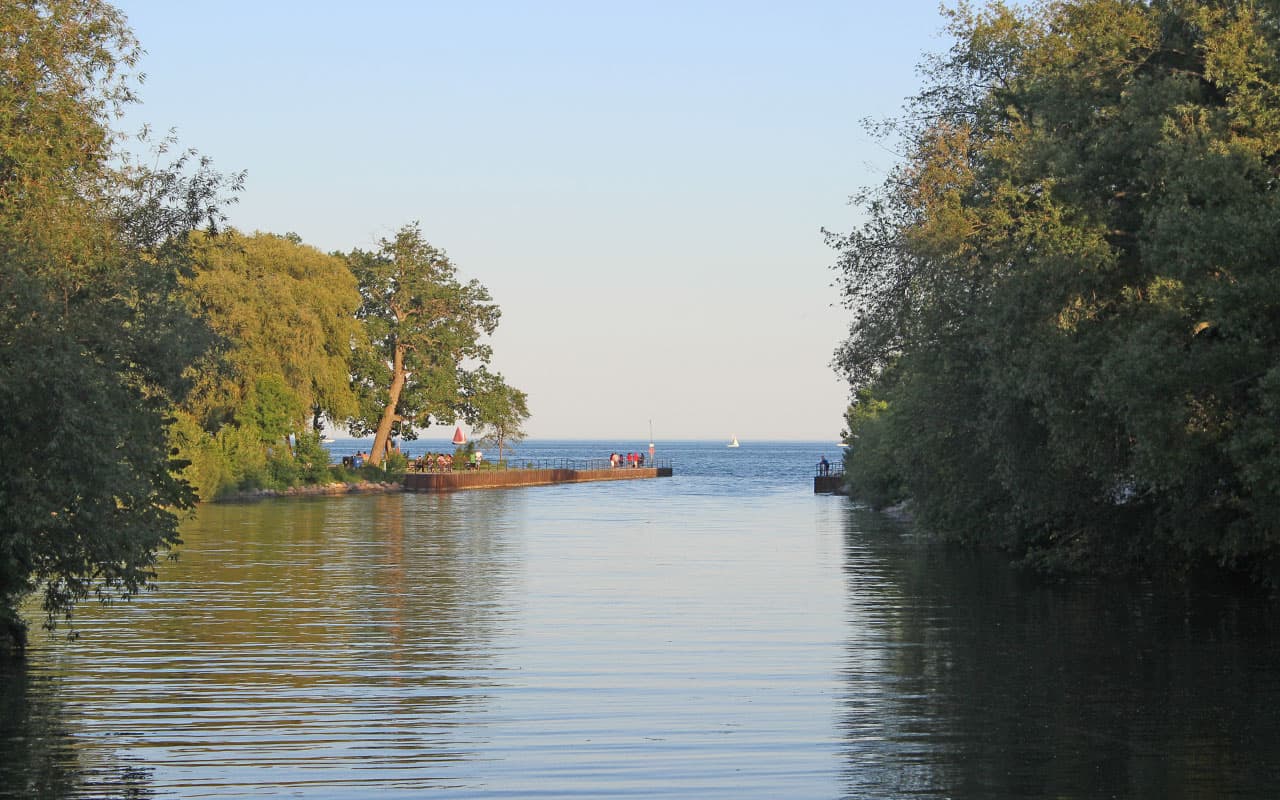
Etobicoke Creek & Marie Curtis Park
Escape the city buzz with a stroll through Marie Curtis Park, a green sanctuary born out of resilience and community spirit after Hurricane Hazel reshaped this stretch of lakeside land. Follow the gentle curves of Etobicoke Creek as it winds toward Lake Ontario, with plenty of shaded trails and open waterfront spots perfect for unwinding after work. It's the kind of easy, restorative outing that reminds you just how much breathing room Toronto actually has.

Learning Enrichment Foundation
Connect with one of Toronto's most enduring community institutions at the Learning Enrichment Foundation, a non-profit that has been quietly strengthening the west end since 1978. Whether you're exploring volunteer opportunities, language and skills training, or simply curious about how grassroots organizations shape a neighbourhood, LEF offers a genuine window into community-driven change. It's a reminder that some of the city's most meaningful after-work experiences happen far outside a bar or studio.
Eglinton Flats
Spread out across three connected green spaces near Jane and Eglinton, the Eglinton Flats make up Toronto's largest regional sports field complex — a genuinely impressive patch of open city land that tends to fly under the radar. Whether you're organizing a pickup soccer game, going for a long evening run, or simply looking for wide-open space to decompress after work, this is your spot. Bring a frisbee, round up some friends, and take full advantage of the rare luxury of room to breathe.

Toboggan Hill (2011)
Take a moment to pause in front of this wonderfully nostalgic mural, the third in John Kuna's charming children-at-play trilogy. Drawn from a historic photograph in the Islington archives, it captures kids gleefully tobogganing from Dundas Street down toward the Mimico Creek — pure wintertime joy frozen in paint. It's a warm, playful addition to the neighbourhood streetscape that's impossible to walk past without smiling.

Ontario Gothic (2011)
Seek out this clever, affectionate riff on one of art history's most iconic images, reimagined right here in Islington Village. Artist John Kuna swapped out the American Midwest for a local 19th-century farmhouse and a real Etobicoke family, giving the scene an unmistakably Toronto soul. It's a free, five-minute detour that rewards the curious and makes for a genuinely great photo opportunity.

Sustenance
Duck under the Kingston Road underpass at Danforth and discover this sweeping gateway mural that feels like a love letter to the Scarborough Bluffs. Artist Bill Wrigley wove together the region's natural flora, fauna, and lakeside landscape into something genuinely moving — a reminder of the wild beauty that sits just beyond the city grid. Born out of the 2014 Cultural Hotspot initiative, it's one of those rare pieces of public art that stops you mid-commute in the best possible way.

Scarborough Rifle Company
Pause on Kingston Road to take in this evocative mural paying tribute to the Scarborough Rifle Company, one of York County's earliest militias. Artist John Hood brings 19th-century history to life with craft and intention, honouring a chapter of the neighbourhood that most passersby might never have encountered otherwise. It's the kind of quietly powerful public artwork that rewards those who slow down and look a little closer on their way home.

Butterflies are Free (2018)
Step outside and let Toronto's street art scene surprise you with this stunning nature-inspired mural along Dundas West. Artist John Kuna draws from the intricate wing patterns of 11 local butterfly species, turning an everyday building facade into a vibrant ode to the city's natural biodiversity. It's the kind of find that makes an after-work stroll feel genuinely rewarding — bring your phone, because this one is absolutely worth photographing.
Untitled (2019)
Step into the pedestrian corridor at Mount Dennis station and let Sara Cwynar's striking multimedia collage stop you in your tracks. The Toronto-based artist weaves together found objects and archival photographs to explore how images shape memory and identity — all grounded in the neighbourhood's rich industrial past. It's the kind of public art that rewards a slow look, making your commute feel a little more like a gallery visit.
John Dennis
Wander to the corner of Weston Road and Eglinton Avenue and connect with the story of the man who gave Mount Dennis its name. John Dennis was a 19th-century shipbuilder and entrepreneur whose boatyard, sawmill, and woolen factory once defined this stretch of the Humber. It's a surprisingly layered piece of local history that makes you see the neighbourhood with fresh eyes — no museum ticket required.
Welcome to Mount Dennis Sign and Mural (2014)
Step into the heart of Mount Dennis at this welcoming corner, where a handsome metal banner greets you and a thoughtfully designed pocket sitting area invites a pause. Behind it, a 2014 mural by Emanuel Ciobanica brings the neighbourhood's character to life in warm, expressive brushwork. It's a small but meaningful urban gesture — the kind of spot that reminds you how much personality a community can pack into a single street corner.

Gatineau Hydro Corridor Trail
Lace up your shoes and escape into one of Toronto's quietly revitalized green corridors along the Gatineau Hydro Trail near Ashtonbee. Years of restoration efforts by the City and local environmental groups have turned this urban trail into a living showcase of native trees and wildflowers — a genuinely peaceful contrast to the surrounding city. It's the perfect after-work reset for anyone who needs a breath of fresh air without leaving the east end.
Gladhurst Park
Tuck into Gladhurst Park when the snow falls and you'll find one of the city's most satisfying toboggan runs waiting for you on its dramatic slopes at the southeast edge of Eglinton Flats. It's the kind of no-frills outdoor fun that feels genuinely restorative after a long workweek — just fresh air, a good hill, and the simple joy of sliding down it. Pack a sled and bring friends; this one earns its reputation the old-fashioned way.

Flight of the Passenger Pigeon (2018)
Pause in front of this quietly powerful mural and let it land the way it was intended to. John Kuna's tribute to the extinct passenger pigeon is designed with intention — as your eye travels across the image, the bird visibly fades, a poignant visual metaphor for a species lost forever. It's a rare piece of public art that manages to be both beautiful and genuinely thought-provoking, and it won't cost you a thing.

Bell Box Mural by Emily Harrison (2013)
Spot this delightful little surprise at the corner of Kingston Road and Birchcliff Avenue, where artist Emily Harrison transformed a mundane Bell utility box into a pastoral miniature scene. Birch trees frame rolling farmhouses and a gentle rural landscape — the kind of image that makes you slow your pace and smile. It's a perfect example of how Toronto's street art scene finds beauty in the most overlooked urban canvases.
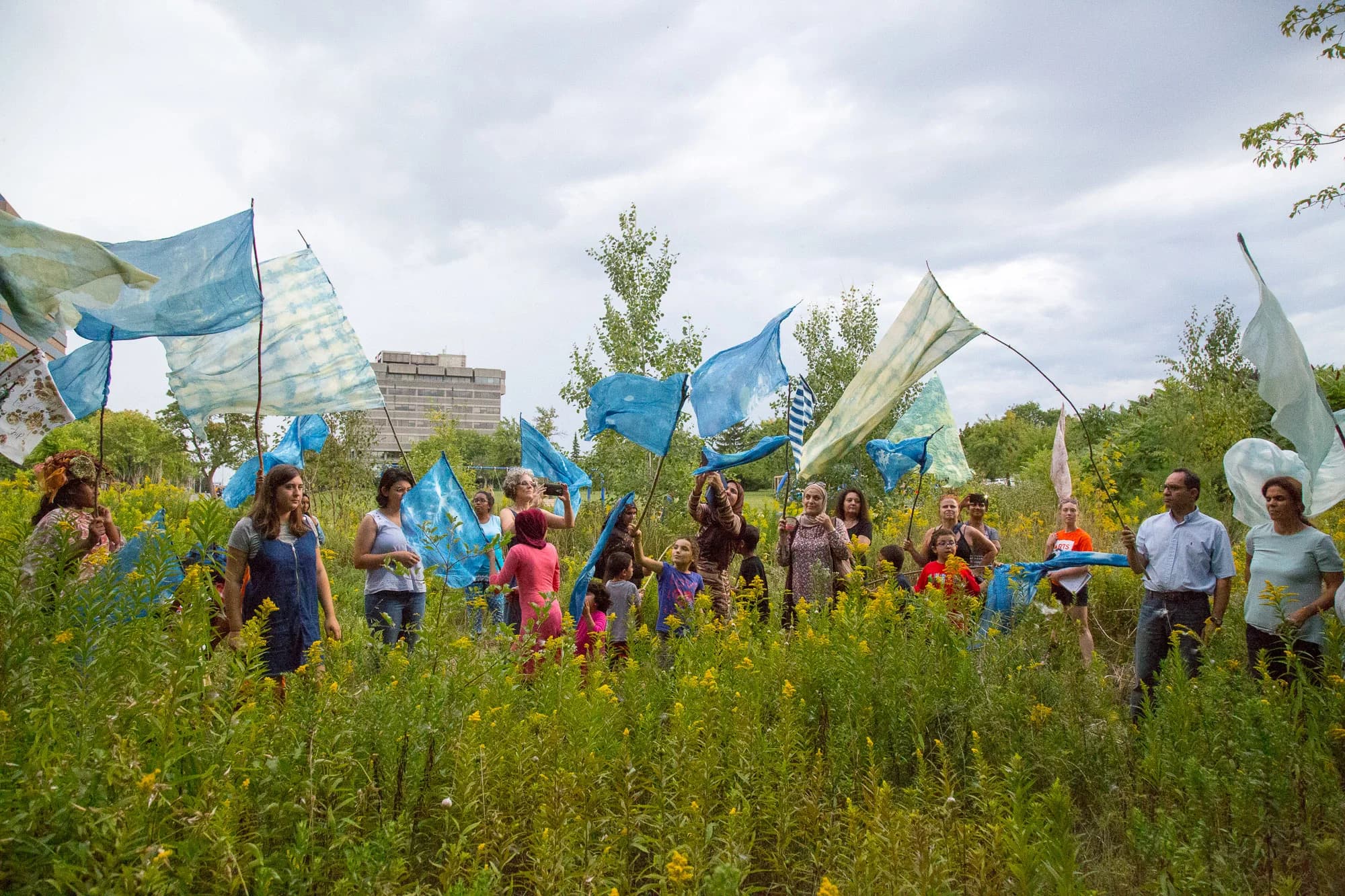
MABELLEarts
Tap into one of Etobicoke's most beloved grassroots arts organisations, MABELLEarts, which has been animating parks and public spaces with free performances and workshops since 2007. With roots in community collaboration, their programming brings together professional artists and thousands of local residents across generations and backgrounds. Whether you catch a live event or simply engage with their public installations, it's a genuinely warm entry point into Toronto's neighbourhood arts scene.

Welcome to Birch Cliff
Make your way to 1720 Kingston Road for this warm community welcome mural, designed by Anthony Delacruz as part of the Birch Cliff Community Mural Project. The piece celebrates both the iconic birch trees and the dramatic Scarborough Bluffs that define this neighbourhood's identity, blending natural imagery with a genuine sense of local pride. Pair it with a walk along the other nearby murals for a self-guided public art tour that costs nothing but an hour of your evening.

Mimico Creek Bridge
Lace up and head to Humber Bay East Park to cross one of Toronto's most quietly spectacular pieces of infrastructure — the Mimico Creek Bridge, designed by world-renowned architect Santiago Calatrava. Its signature tilted arch cuts a dramatic silhouette against the lake and sky, especially gorgeous at golden hour. Pair it with a walk along the Humber Bay shoreline and you've got an after-work escape that feels far removed from the city bustle, even though you're just minutes from downtown.

Scarborough Civic Centre Library
Step into the Toronto Public Library's milestone 100th branch, a bright and welcoming space that opened in 2015 inside the Scarborough Civic Centre complex. With 50,000 items spanning English, Chinese, Gujarati and Tamil collections, it genuinely reflects the rich diversity of the surrounding community. Whether you're after a quiet read, a community program, or simply a calm place to decompress after work, this library delivers.

Jen Bulthuis' Utility Box (2017)
Stroll down to the corner of Superior Ave. and Lake Shore Blvd. W. to catch one of Toronto's most whimsical pieces of street art. Artist Jen Bulthuis transformed a humble utility box into an underwater tableau, featuring a humpback whale, a gentle manatee, and the wonderfully odd narwhal. It's the kind of small, joyful discovery that makes an after-work walk along the lakeshore feel a little more magical — perfect for a quick detour on your commute home.

Weston Bank of Nova Scotia Building
Pause in front of this enduring mid-century building and appreciate over a century of community banking history baked into its bones. The Weston branch of the Bank of Nova Scotia opened in 1910 and served the neighbourhood for more than 100 years before closing in 2016, leaving behind a handsome 1962 structure that still anchors the streetscape. It's a quietly compelling reminder of how much a single corner can hold when you stop to look.
The Weston Historical Society
Pop into the Weston Historical Society for a welcoming dive into the layered story of one of Toronto's oldest communities. Affiliated with the Ontario Historical Society, this grassroots organization keeps local memory alive through archives, walking tours, and engaging audio-visual displays that bring Weston's past vividly into the present. Whether you're a lifelong resident or a curious newcomer, it's the kind of place that makes you feel genuinely connected to where you are.

First Auto Garage in Weston
Pause at this unassuming building on Little Avenue and consider what it meant for a neighbourhood when the automobile arrived — this was Weston's very first auto garage, built in 1913 as cars began reshaping daily life across Canada. The decorative brickwork hints at a moment when even utilitarian buildings wore a little civic pride. Now converted to residential use, it's a fascinating footnote in the city's urban evolution.

Mahjabeen Kabir (2017)
Discover this vibrant piece of public art tucked onto a utility box along Crescent Town Road, part of Toronto's beloved Bell Box Murals Project. Created in 2017 by artist Mahjabeen Kabir, the work transforms an everyday piece of street infrastructure into a small gallery you can actually stumble upon. It's the kind of unexpected colour and creativity that makes a walk home feel like a mini art tour — no ticket required.

Weston Public Library
Step into Weston Public Library and breathe in over a century of community knowledge — this branch traces its roots all the way back to 1847, making it one of Toronto's most storied literary institutions. Built in 1913 following the establishment of a free public library by-law, the space has long been a democratic gathering point for curious minds. Whether you're browsing the stacks after work or simply soaking up the historic atmosphere, it's a genuinely grounding place to land.

Historical Weston
Head to the corner of Lawrence Ave. W. and Ralph St. to uncover the layered story of Weston, one of Toronto's oldest settled communities. Established by European settlers in the 18th century around the milling power of the Humber River, the hamlet that became Weston has a surprisingly rich industrial and civic past waiting to be explored. It's a perfect after-work wander for anyone who loves discovering the hidden histories embedded in Toronto's quieter neighbourhoods.

Inspiration (2006)
Seek out this layered community mural on Lake Shore Blvd. W., a collaborative storytelling project brought to life by the Student Artists of the Lakeshore Area alongside neighbours, business owners, and local stakeholders. Read it like a visual poem from left to right — the imagery unfolds a narrative of struggle, resilience, and hope that's deeply tied to this community's spirit. It's a meaningful pause point on any lakeside evening stroll, and a reminder of how much art can say about a place.

Giant Birch Tree
Make your way to Kingston Road to stand before this magnificent, larger-than-life birch tree mural — a community effort that feels both ambitious and deeply personal. Led by Mural Routes artist Rob Matejka and brought to life alongside artists Tara Dorey, Anthony Delacruz, and a group of local youth, the piece radiates collective energy and neighbourhood pride. Whether you're discovering it for the first time or revisiting an old favourite, it's a genuinely uplifting stop on any east-end evening route.

21 Points of Equilibrium
Pause inside the Scarborough Civic Centre and let your gaze travel upward to one of the city's most quietly awe-inspiring public art installations. James Sutherland's dramatic aluminum sculpture cascades down five full storeys before spilling onto the building's exterior, turning a civic errand into an unexpected moment of wonder. It's the kind of piece that rewards a slow, unhurried look — perfect for an after-work detour.

Flora and Fauna in Mimico
Explore the Humber Bay Shores parks and the quietly charming Mimico neighbourhood on a self-guided after-work adventure that blends nature with street art. Naturalized habitats along the reclaimed lakefront attract migratory birds and local wildlife, while bold murals bring colour and character to the surrounding streets. It's a perfect low-key evening route for the curious city-dweller who wants fresh air, a little culture, and that rare feeling of discovering something Toronto doesn't always shout about.

Lakeshore on the Level (2000)
Discover a slice of Toronto's vibrant public art scene at this striking hardware-themed mural along Lake Shore Boulevard West. Commissioned by Lakeshore Arts and Home Hardware, artist Matthew Hansen's work weaves together everyday craftsmanship and local identity — a hand gripping nails, a weathered toolbox, and sailboats drifting across a painted lake. It's the kind of street-level gem that rewards a slow evening stroll, offering a quiet moment of reflection and neighbourhood pride without spending a cent.

Former Oddfellows Hall
Discover the layered history of this unassuming building on Church Street, which has quietly changed hands — and identities — since the 1830s. What began as a modest wood-frame Methodist chapel eventually became a lodge for the Independent Order of Odd Fellows, who bricked it in and added a second storey, giving it the sturdy character it carries today. It's a fascinating example of how community spaces evolve, and a rewarding find for those who love reading a city's history through its architecture.

St. John's Anglican Church
Visit one of Weston's oldest surviving structures — St. John's Anglican Church, built in 1856 — and you'll find a building with a story almost too good to be true. In 1894, the congregation attempted to move the entire church on rollers, only for it to get stuck in the mud mid-street, halting traffic until a generous parishioner donated a nearby lot to settle the matter. That mix of ambition, mishap, and community spirit makes this heritage chapel one of the most charming free stops in the neighbourhood.
Weston CNR Bridge
Look up as you cross Weston Road and catch the grand sweep of the CNR Bridge — one of the oldest structures in the neighbourhood, originally built by the Grand Trunk Railway and still very much in use today. Watching trains rumble overhead while the Humber River flows below feels like stumbling into a living piece of infrastructure history. It's an unexpectedly dramatic backdrop for an evening walk along the river trail.

Brad MacMillan Bell Box Mural (2014)
Seek out this quietly striking utility box mural by Toronto artist Brad MacMillan, tucked along Sheppard Avenue East and packed with urban character — skyline silhouettes, construction cranes, and the energy of a neighbourhood basketball court all captured in paint. It's a small but rewarding detour for street art enthusiasts who love discovering Toronto's creative fingerprints on everyday infrastructure. Pair it with a stroll through the area to spot more neighbourhood art hiding in plain sight.

Weston Frontlines
Rooted in the Weston community since 1987, Frontlines is a vibrant drop-in centre that has grown from humble music programming into a full-spectrum hub of social, educational, and creative opportunities for children and youth. If you're looking to volunteer, connect with local initiatives, or simply learn more about one of Toronto's most resilient neighbourhoods, this is a meaningful place to start. The energy here is infectious — the kind of community-driven spirit that makes you want to get involved.

Birkdale Ravine
Slip away from the city noise and into Birkdale Ravine, where West Highland Creek winds through a lush, largely natural corridor that feels worlds away from the surrounding streets. It's a lovely spot for a post-work walk or a quiet sit by the water, with enough greenery to genuinely decompress. Go during golden hour and you'll understand why locals treat it like a hidden gem.

Rouge Valley Conservation Centre
Step into North America's largest urban park and explore the Rouge Valley Conservation Centre, a passionate hub dedicated to protecting one of Toronto's most remarkable natural corridors. Run by the Rouge Valley Foundation, this spot offers environmental programs, guided experiences, and a genuine sense of stewardship over the land. Whether you're a nature enthusiast or just curious about the city's wild side, this is a refreshingly grounding escape from the after-work grind.

Etobicoke Township
Explore the layered history of one of Toronto's most storied former municipalities right along Dundas West. Etobicoke's journey from township to borough to city — and ultimately its 1998 amalgamation into Toronto — tells a fascinating story about how this city became what it is today. Wander the neighbourhood with fresh eyes, knowing you're walking through decades of civic evolution.

Shakespeare in Action
Catch a live Shakespeare performance and rediscover why these stories have endured for centuries. Shakespeare in Action has been bringing classical and contemporary theatre to Toronto since 1988, with a genuine gift for making the Bard's language feel electric and alive rather than dusty. Whether you're a lifelong theatre lover or a first-timer, this is an accessible, joyful way to spend an evening soaking up world-class storytelling in the city.
The Weston Farmers' Market
Wander through one of the Greater Toronto Area's oldest and most beloved farmers' markets, where local vendors have been setting up stalls for over four decades. Running every Saturday from May through October at Artscape Weston Common, it's the kind of place where you'll discover hyperlocal produce, homemade preserves, and the easy pleasure of unhurried browsing. Come hungry, chat with the growers, and leave with a bag full of something genuinely good.
Water Mural
Discover one of Toronto's most ambitious public art installations tucked beneath the Jane Street Highway 400 underpass — a sweeping 8,000-square-foot mural brought to life by 18 local and international artists. Born from the International Essencia Water Festival, this collaborative masterpiece uses bold imagery to explore art as a force for community and social change. It's the kind of unexpected urban gem that stops you mid-commute and reminds you why street art matters.

The Pub with No Beer (2009)
Discover a piece of Toronto's prohibition-era past painted right onto the streetscape of Dundas West. This evocative mural captures the spirit of the old Islington Hotel — a beloved neighbourhood gathering spot that stood until 1986 — through a clever scene of empty pop bottles and a bygone truck. Wander over after work for a moment of unexpected history tucked into an otherwise ordinary stretch of sidewalk.

Japanese Canadian Cultural Centre
Discover one of the world's most dynamic Japanese cultural hubs right in Toronto. The Japanese Canadian Cultural Centre has been a beating heart for cultural exchange since 1963, offering everything from traditional martial arts and music performances to contemporary art exhibitions and film screenings. Whether you're deepening a longstanding connection to Japanese culture or simply curious, an evening here feels genuinely enriching — the kind of place that surprises you with how much it has going on.

Flemingdon Park
Explore one of Toronto's most layered and community-rich neighbourhoods, where culture, science, and local creativity all share the same postal code. Flemingdon Park is home to the Ontario Science Centre, the Korean Canadian Cultural Association, and grassroots media initiatives — making it a surprisingly vibrant destination for an after-work wander. Let curiosity guide you through a neighbourhood that quietly punches well above its weight in things to see and do.

High Water Mark
Pause and take in High Water Mark, a quietly powerful public art installation that reframes how you think about the Don River and the city around it. Commissioned by the City of Toronto, artist Robert Sprachman's suspended stones — each etched with a year marking a significant flood — turn a simple walk into a meditative moment of civic memory. It's the kind of understated outdoor artwork that rewards slowing down, especially as the late-afternoon light catches the inscriptions.
Milneford Mills
Explore the storied grounds of Milneford Mills, where a thriving 19th-century community of mills, homes, and businesses once hummed with life along the Don Valley. It's the kind of place that rewards curious wanderers — layers of Toronto's industrial past are literally beneath your feet. A peaceful, thought-provoking after-work detour that pairs beautifully with a trail walk along the creek.

The Art Alley Mural Project (2009)
Step outside and let public art stop you in your tracks on Dundas West, where a striking mural brings together poetry, human rights, and visual storytelling in one unforgettable scene. Rooted in a poem by Toronto's former Poet Laureate Dionne Brand, the work interprets the universal right to freedom of movement in a way that feels both intimate and global. It's the kind of after-work discovery that makes you see your city — and your commute — a little differently.

Timeline: Islington Then and Now (2006)
Step outside and let a sprawling street mural walk you through the layered history of Islington Village, from its earliest general store days to the neighbourhood as it stands today. Painted in 2006, this outdoor artwork doubles as a timeline you can stroll along, connecting you to the local stories that shaped this corner of the city. It's a low-key but genuinely enriching after-work detour — the kind of cultural discovery that feels effortless and surprisingly moving.

Naturescapes
Wander into E.T. Seton Park and discover Naturescapes, a playful public art installation where boldly painted wooden stumps double as seating scattered across the landscape. Born from Art Starts' Cultural Hotspot initiative, this piece blends youth mentorship with lasting community artistry, guided by the vision of artists Rob Matejka and Natasha Kudashkina. It's the kind of after-work detour that quietly reminds you how creative energy can transform even the most everyday outdoor space.

Honouring Islington's Volunteer Fire Brigade (2007) (Mural)
Wander over to this striking street mural and let a piece of local history stop you in your tracks. Artist John Kuna pays tribute to the Islington Volunteer Fire Brigade with a richly detailed work that cleverly incorporates the building's boarded window into the composition. It's the kind of public art that rewards a slow look — a vivid reminder that community heroism often shows up in the most everyday places.

Chapel Of Saint Jude
Step back in time at one of Scarborough's most quietly remarkable historic landmarks — a tiny plank-walled chapel built by local farmers in 1848 and still standing in its original graveyard setting. The Chapel of St. Jude is a rare piece of pre-Confederation Toronto, where hand-axed beams and chiseled walls tell the story of a city just beginning to take shape. It's the kind of off-the-beaten-path discovery that makes for a genuinely memorable after-work detour.

Bell Box by Leanne Davis (2017)
Stumble upon this charming Bell Box by artist Leanne Davis and let its playful energy brighten your commute home. Morning glories, lucky clovers, horseshoes, and a quietly regal grey cat come together in a composition that feels like a folk charm painted in full colour. A handwritten reminder curls across the top — the kind of gentle wisdom that hits differently when you catch it unexpectedly on a city corner.

Wave (2016)
Wander over to Black Creek Drive and let Don Maynard's sweeping 120-foot aluminum sculpture stop you in your tracks. Wave ripples and bends like a frozen moment of water mid-motion, playing beautifully with light at golden hour. It's the kind of public art that rewards a slow, contemplative stroll — perfect for decompressing after a long day at the office without going anywhere touristy or obvious.

Victoria Park Station
Make a pit stop at Victoria Park Station, one of Toronto's most historically interesting transit landmarks and a rare above-ground gem on the TTC network. Originally opened in 1968, the station carries decades of urban infrastructure story within its renovated walls and elevated platforms. Whether you're a transit nerd or simply curious about the city's layers, it's a surprisingly engaging spot to appreciate how public space and everyday commuting quietly shape a neighbourhood.

Wilket Creek Park
Lace up and lose yourself in the winding woodland trails of Wilket Creek Park, one of Toronto's most genuinely wild green escapes. Whether you're cycling through the canopy or taking a slow evening walk, the undisturbed forest feels worlds away from the city grid. Birders, bring your binoculars — during seasonal migrations, rare species make stopovers here that'll surprise even seasoned naturalists.

Public Art Discovery Tour
Spend your evening differently by tracing a self-guided tour through North York's surprisingly rich public art scene, from sidewalk installations to the spectacular mosaic-covered walls of the Sheppard subway stations. Each stop reveals how art quietly shapes the city's infrastructure in ways most commuters never pause to appreciate. Grab a friend, pick a starting point, and let the neighbourhood unfold like a free gallery with no closing time.

Don Mills Montage
Seek out Don Mills Montage, a vivid mural by Charles Staffer that has quietly outlasted the shopping mall it once called home, now reimagined in its new setting at 1090 Don Mills Road. Staffer translated the neighbourhood's character into flowing abstract motifs, making it one of those pieces that rewards a slower, more curious gaze. It's a small but genuinely rewarding stop for anyone who loves discovering the stories embedded in a city's public spaces.
Graydon Hall
Wander the grounds of Graydon Hall, an elegant 29-room Georgian manor built in 1936 that once presided over a sweeping 100-acre estate. The grand architecture and manicured surroundings make it one of Toronto's most atmospheric spots to simply take in after work, even if you're just admiring from the outside. Keep it in mind too for special occasions — as an event venue, it transforms any gathering into something memorable.

Arts Beyond The Road
Discover a vibrant community mural along Kingston Road that transforms a stretch of pavement into a canvas of collective expression. Designed by artist Lauren Kuzyk with inclusivity at its heart, this rainbow-hued work celebrates the sweeping landscape of the Scarborough Bluffs and the many hands that helped bring it to life. Whether you're a dedicated art-lover or simply passing through, it's the kind of public installation that stops you mid-stride and reminds you why neighbourhood creativity matters.

The Half Way House
Step back into the era of stagecoaches and muddy country roads with this evocative mural by John Hood. The Half Way House depicts a storied inn that once stood as a midpoint rest stop for travellers making the journey between Dunbarton village and the St. Lawrence Market — a reminder that Kingston Road has always been a connector of communities. It's a beautifully rendered slice of pre-city life hiding in plain sight on a busy stretch of road.

Past and Present
Explore one of Scarborough's most layered and lively corridors, where century-old buildings sit alongside bold public murals and thriving independent businesses. This stretch of Victoria Park north of Danforth pulses with community energy — local organizations, creative storefronts, and gathering spots that tell the story of a neighbourhood continuously reinventing itself. Come for a leisurely after-work wander and let the street art and local charm do the talking.

In The Way of Progress
Step back in time with this commemorative mural on Kingston Road, painted by the Richards family as a loving tribute to Scarborough's radial railway history. The scene captures passengers boarding a vintage streetcar at Stop 17, with the old Scarborough High School visible in the distance — a quietly cinematic snapshot of a city in motion. It's the perfect excuse to slow your post-work commute and appreciate how much neighbourhood character is hiding in plain sight.

Top of the North Hill 1850s and Traffic at Yonge and Sheppard 1860's
Head to the northbound platform at North York Centre Station for a glimpse of the pastoral landscape that once defined this corner of the city. These two heritage murals depict the quiet rural character of Hogg's Hollow and Lansing as they appeared in the 1850s and 1860s — a fascinating counterpoint to the gleaming condos and busy intersections just above ground. It's an effortless history lesson tucked into your after-work ride home.

Four Seasons
Make your way to Sheppard and Don Mills to catch Douglas Coupland's joyful tribute to a very Canadian childhood — Laurentian pencil crayons. Four towering striped cones, ranging up to 60 feet tall and representing each season, bring an instant hit of colour and nostalgia to the streetscape. It's unapologetically fun, wildly photogenic, and the perfect excuse to get outside and feel something before heading home.

Sirius Theatre Company
Catch an original production from one of Toronto's most dedicated champions of homegrown theatre. Founded in 1989, Sirius Theatre Company has spent decades nurturing emerging Canadian playwrights and bringing their stories to life in the intimate setting of Donald Hendry Hall inside Mimico Presbyterian Church. Whether you're a theatre regular or a first-timer looking for something more soulful than a night on the couch, this is the kind of neighbourhood gem that reminds you why live performance still matters.

Riverdale Courts
Wander through one of Toronto's most charming and historically layered streetscapes, where heritage architecture tells a quiet story of the city's past. Riverdale Courts, built in 1913, was inspired by the English Garden City Movement — a progressive vision of affordable, community-centred urban living. Strolling past these cottage-style buildings at golden hour feels like stepping briefly out of the city and into something slower, greener, and genuinely worth pausing for.

Yonge Street
Stroll one of the oldest and most storied roads in Ontario, where centuries of history line every block. Originally carved out as a military and fur-trading route connecting the Great Lakes, Yonge Street has evolved into a lively corridor of shops, cafés, and neighbourhoods worth wandering after a long workday. Start at Empress Avenue and head south to take in the street's changing character — it's a free, ever-unfolding urban adventure that feels different every time you walk it.

Meridian Arts Centre
Catch a world-class performance or wander through rotating gallery exhibitions at one of Toronto's most beloved arts complexes. Meridian Arts Centre offers something for every cultural appetite — from symphonic evenings in the stunning George Weston Recital Hall to intimate studio theatre productions. Whether you're a seasoned arts-goer or just looking for an inspired Tuesday night out, this North York gem consistently delivers the kind of after-work escape that reminds you why you love this city.

Bell Flower (2013)
Seek out this understated neighbourhood mural on Greenwood Avenue, a collaborative piece born from a conversation between artist Lazos and local designer Alvin Wong. Commissioned to echo the building's interior aesthetic, the result is a work that feels both intentional and organic — the kind of street art that rewards a slow look. Make it part of an easy east-end after-work wander through one of Toronto's most creatively rich pockets.

Blue Goose Tavern
Step into one of Toronto's most storied watering holes — the Blue Goose Tavern has been pouring pints since 1892, originally welcoming rail workers and weary travellers at Mimico's first train station. More than a century later, it still carries that easy, unpretentious energy that makes it the kind of place you settle into without thinking twice. Pull up a stool, order something cold, and let the history of the room do the talking.

Heritage Mural
Step up to this richly detailed Heritage Mural on Yonge Street and let it walk you through the layered history of the Gibson Family Farm, a landscape that once defined this stretch of North York. Even the street name — Tolman — nods to the last surviving apple tree from the farm's orchard, still standing today at Yonge and Park Home Avenue. It's a free, five-minute history lesson disguised as beautiful public art.
Korean Restaurants
Head up Yonge Street between Sheppard and Finch and immerse yourself in one of Toronto's most vibrant Korean food corridors, where the options run from sizzling BBQ spots to cozy bakeries and lively norebang karaoke bars. It's the kind of strip where a quick after-work bite easily turns into a full evening of discovery. Pull up a chair, order something you've never tried, and let the neighbourhood do the rest.

Fire Hall Tower
Step into a quiet corner of Toronto's history at this beautifully preserved 1942 fire hall tower tucked inside Princess Park. The gabled roof and stone medallion — engraved with the Latin motto Semper Paratus, meaning 'Always Ready' — make for a genuinely fascinating free detour on an evening stroll. It's the kind of understated landmark that rewards the curious, offering a tangible connection to the city's early civic life without asking anything of your wallet.

Mimico-by-the-Lake Community Events
Tap into the warm community spirit of South Etobicoke through the seasonal events hosted along Lake Shore Boulevard West by four collaborating business improvement areas. From tree lighting ceremonies to local markets, these gatherings bring Mimico, Long Branch, and Lakeshore Village together in a way that feels genuinely neighbourly. It's a lovely reminder that some of the best after-work plans are the ones that cost nothing and leave you feeling connected.

Balmy Beach Club
Step into over a century of Toronto lakefront culture at the Balmy Beach Club, a beloved community institution that has been bringing neighbours together since 1905. Whether you're drawn by the breezy lounge, the sprawling banquet hall, or the variety of recreational facilities, there's an easy, unhurried energy here that makes it ideal for an after-work wind-down. It's the kind of place that feels like a local secret — rich in history, light on pretension, and right on the water.

North York Civic Centre
Explore one of Toronto's most architecturally significant civic buildings, a Governor General's Medal winner that still turns heads decades after its 1974 debut. The North York Civic Centre's dramatic atrium design — where every floor gazes down on the one below — creates an almost theatrical sense of open space that's rare in public buildings. Pop in after work for a free self-guided wander and a genuine appreciation for what thoughtful public architecture can feel like.
Pan Am Path
Lace up and explore one of Toronto's most ambitious urban trail projects — the Pan Am Path stretches a remarkable 87 kilometres, weaving through the city's diverse neighbourhoods from the Brampton border all the way east to Pickering. Born from the legacy of the 2015 Pan Am and Parapan Am Games, this connected corridor is perfect for an after-work run, bike ride, or leisurely walk where you can genuinely feel the city open up around you. Dip in at any point and discover a new pocket of Toronto you never knew existed.

Glendon Hall
Escape the city buzz with a visit to Glendon Hall, a stately 1925 Italian-style villa tucked inside York University's leafy Glendon campus. Stroll through the heritage Rose Garden — planted by the original owners — and soak in the kind of old-world charm that feels worlds away from downtown. It's a genuinely lovely, unhurried spot for an after-work walk that doubles as a mini history lesson.
Baby Point Neighbourhood
Wander through one of Toronto's most storied residential enclaves, perched dramatically above the Humber River Valley. Baby Point carries centuries of history beneath its quiet, tree-lined streets — from the Indigenous village of Teiaiagon to a French trading fort built in 1720. It's the kind of neighbourhood walk that feels like a secret, rewarding curious explorers with gorgeous ravine views and a genuine sense of place.

RexFest
Catch the electric energy of RexFest, a slam poetry competition that puts a spotlight on some of Toronto's most compelling young voices. Hosted by Lakeshore Arts and rooted in the Thistletown community, this two-day celebration of spoken word is equal parts performance art and neighbourhood pride. Come ready to be moved, surprised, and reminded just how much talent is thriving in the city's northwest corner.

Martin Goodman Trail
Lace up and hit one of Toronto's most beloved waterfront routes — the Martin Goodman Trail stretches a full 22 kilometres along the lake, making it perfect for an after-work run, cycle, or leisurely stroll. Pick up the trail near the Humber River Pedestrian Bridge and let the lake views do the heavy lifting. Named after a former Toronto Star president, this path is as rich in history as it is in skyline scenery.

Todmorden Mills Wildflower Preserve
Breathe easy in the Todmorden Mills Wildflower Preserve, a lush nine-hectare restoration of wetlands and forest that feels worlds away from the city grid. Established in 1991, this carefully tended natural space reclaims land once swallowed by industrial development, and the results are quietly stunning — wildflowers, birdsong, and winding trails that reward a slow, unhurried pace. It's the kind of green corner Toronto keeps secret, and absolutely worth finding after a long day.

Chester Hill Lookout
Escape the office grind and head to one of Toronto's best-kept secrets — a hilltop vantage point where the Don Valley's lush canopy meets the glittering downtown skyline. Chester Hill Lookout rewards the short walk with an almost cinematic panorama: river, wetlands, forest, and city all layered together in a way that genuinely stops you in your tracks. Bring a coffee, bring a friend, or just bring yourself — this is the kind of spot that quietly reminds you why you love this city.

Playter Society Building
Pause at the corner of Broadview and Danforth and take a good look at this 1910 beauty — a building deliberately planted at the heart of a then-booming streetcar intersection by two entrepreneurial brothers with an eye for opportunity. The Playter Society Building once housed retail shops, medical offices, and a community hall all under one roof, making it an early hub of neighbourhood life. Today it stands as a handsome piece of Toronto's commercial heritage, and a great talking point on any East End walking tour.

Withrow Archeaological Site Plaque
Pause at this understated plaque near Riverdale Park and let it reframe how you see the land beneath your feet. The Withrow Archaeological Site, uncovered accidentally during road construction in 1886, revealed Indigenous artifacts that speak to centuries of life along the Don River long before the city existed. It's a grounding, thought-provoking stop — the kind of quiet discovery that makes you look at Toronto's green spaces with entirely new eyes.

Riverdale Park
Stretch your legs after work at Riverdale Park, one of Toronto's most beloved green spaces with sweeping views of the downtown skyline across the Don Valley. Whether you're jogging the rolling hills, joining a pickup game, or simply finding a bench to decompress, this park has an easy, unhurried energy that makes it perfect for an evening reset. The history here runs deep — this land has shaped the city since the mid-1800s, and it still feels like common ground for everyone.

East York into the Future
Kick off a self-guided heritage walk through one of Toronto's most proudly independent neighbourhoods, starting at Coxwell Station. East York held onto its own identity long after the rest of the east end merged with the city, and you can still feel that distinct community spirit in its streets and buildings. This is the kind of after-work wander that makes you fall in love with Toronto all over again.

East York Civic Centre
Visit the East York Civic Centre on Coxwell and soak in a surprisingly rich slice of Toronto's civic history, from its 1990 opening to the amalgamation era that reshaped the city. Out front, a solemn 1948 cenotaph offers a quiet moment of reflection amid the bustle of the neighbourhood. It's the kind of understated landmark that rewards the curious — equal parts architecture, memory, and community pride.

Coates House
Stroll past a quietly remarkable piece of Toronto's artistic heritage on Chine Drive, where the former home of sculptor and theatre visionary Frederick Coates still stands. A self-taught talent who shaped early Canadian stage design at Hart House Theatre, Coates left an indelible mark on the city's cultural fabric. Best appreciated as a contemplative sidewalk stop, it's the kind of low-key discovery that makes Toronto feel layered and alive — perfect for curious minds who love history hiding in plain sight.

Heritage Minute: Motels of Kingston Road
Discover a charming utility box mural at Kingston and Brimley, where artist Kyla Ross has transformed an everyday street fixture into a nostalgic love letter to Kingston Road's motel era. Part of StreetARToronto's Outside the Box program, the artwork celebrates the roadside signage of a bygone travel culture, back when this ancient route was lined with inns welcoming weary travellers. It's a small but delightful find — the kind of detail that rewards anyone who takes the slow route home.

Mann Coach House
Tuck away from the everyday and find this charming surviving gatehouse, the last remnant of railway baron Donald Mann's grand estate along Kingston Road. While the main mansion was lost to fire decades ago, the Mann Coach House endures as a living piece of Toronto's industrial and architectural heritage. It's the kind of understated landmark that rewards the curious — perfect for a quiet detour on an after-work stroll through the city's east end.

Gerald Gladstone Pylon
Pause for a moment and look up — Gerald Gladstone's striking Pylon sculpture invites you to consider the cosmos right from a quiet East York park. Commissioned in 1960, this concrete-and-steel landmark is one of Toronto's most underappreciated public art pieces, blending mid-century ambition with a genuinely otherworldly presence. Perfect for a contemplative after-work stroll when you want something a little more thought-provoking than your usual walk home.

John F. Taylor House
Admire one of East York's finest examples of Victorian residential architecture with a look at the John F. Taylor House, a Queen Anne Revival masterpiece designed by prolific Toronto architect David B. Dick. Built for a prominent local landowner, the home's asymmetrical façade, corner tower, and ornate gables make it a standout even among the neighbourhood's many heritage gems. It's the kind of building that rewards a slow after-work walk — bring your curiosity and maybe a coffee.

Agnes MacPhail Square
Take a moment at Agnes MacPhail Square and pay quiet tribute to one of Canada's most groundbreaking political figures. Named for the first woman elected to Parliament, this neighbourhood square carries real weight — a reminder that history lives in the small, easy-to-miss corners of the city. It's a grounding spot to decompress after work, reflect, and reconnect with the stories that shaped modern Canada.

Nature in the City: Taylor Massey Creek Trail
Lace up your shoes and head to the eastern edge of the city for a guided walk along Taylor Massey Creek Trail, where urban grit gives way to genuine wilderness. Starting at the corner of Main and Danforth, the route winds through East York's beloved parks and wetlands, revealing how a hidden creek quietly shaped the neighbourhoods above it. It's the kind of walk that makes you see your city with completely fresh eyes — equal parts history lesson and nature escape.

S. Walter Stewart Library
Step inside the S. Walter Stewart Library, a genuinely quirky 1960s circular building designed to look like a flying saucer — and somehow it still feels ahead of its time. Beyond the architecture, this East York gem holds a collection of A.Y. Jackson works from the iconic Group of Seven, making it an unexpected little art sanctuary hiding in plain sight. Pop in after work to browse, linger, and let the space remind you that libraries can be anything but ordinary.

Everyone Everywhere (2013)
Discover one of Toronto's most ambitious public art installations stretching a full 61 metres along Dundas West. Created by lead artists Anna Camilleri and Tristan Whiston, this sweeping mural celebrates neighbourhood diversity through vivid imagery inspired by universal human rights. Stroll the length of it after work and let the storytelling wash over you — it's the kind of piece that reveals something new each time you look.

Creative Village Studio
Step into Creative Village Studio, a welcoming, inclusive art space where artists of all abilities come to create, learn and connect. Drop into the open studio after work, browse the gallery showcasing work by resident artists, or sign up for one of their hands-on art or photography classes. It's warm, unpretentious and the kind of place that reminds you creativity isn't reserved for any one type of person.

Welcome Mural (2011)
Start your Village of Islington stroll at this welcoming mural where history and community meet in bold colour. Painted in 2011, it frames historic local buildings alongside portraits of real residents — including Mary Appleby, whose family once farmed a vast stretch of the land you're standing on. It's a warm, orienting introduction to the neighbourhood's layered past, and a genuinely lovely spot to linger as the evening light catches the wall.

Resurge I: First Timeline (2017)
Seek out this stunning large-scale mural series painted on the supports of Old Mill Subway Station, where artist Philip Cote collaborated with Kwest and Jarus to bring ten pivotal moments of Anishinaabe, Wendat, and Haudenosaunee history to vivid life. Created in 2017, the work is bold, beautiful, and deeply intentional — the kind of public art that stops you mid-stride. An after-work walk along the Humber trail feels entirely different once you know this is waiting for you.

Greg Marshall (2012)
Swing by this Greg Marshall mural on Danforth Ave. and appreciate how the Bell Box Murals Project has quietly woven local artistry into the city's everyday fabric. Marshall's work adds colour and character to a stretch of street you might pass without a second glance — until now. It's a lovely excuse to slow down and see the Danforth corridor through a more creative lens.

Battersby's March, 1813 (2012)
Discover a striking piece of public art that brings Toronto's wartime history to life right on Dundas Street West. This large-scale mural commemorates Lieutenant Colonel Francis Battersby's bold 1813 march to defend Burlington Heights — a pivotal moment in the War of 1812 that helped shape the city we know today. Pause your evening commute to take it in; it's the kind of unexpected street-level history lesson that makes you see your neighbourhood in a whole new light.

Lambton House
Step inside the oldest surviving public building on the Humber River and feel the weight of 19th-century Toronto settle around you. Lambton House once served as a stagecoach inn, tavern, post office, and community hub — essentially the beating heart of a long-vanished mill village called Cooper's Mills. Whether you're a local history buff or just curious, this beautifully preserved landmark is a rewarding detour on any evening walk along the river.

Hurricane Hazel
Trace one of Toronto's most dramatic weather events on foot along the Humber Recreational Trail, where the legacy of Hurricane Hazel still shapes the landscape. In October 1954, the storm dumped nearly 30 centimetres of rain, washing out bridges and entire neighbourhoods along the river. Walking this trail gives you a visceral, grounded sense of how one night permanently changed how this city thinks about floodplains and urban planning.

Michael Shepard House/York Cemetery
Explore the layers of early Toronto settler history at the Michael Shepard House, a sturdy 1859 brick farmhouse set within the grounds of York Cemetery. Built by the son of pioneering Loyalist farmer Joseph Shepard, this property sits on land that shaped the entire neighbourhood — and carries echoes of the Upper Canada Rebellion just beneath the surface. It's a grounding, low-key history walk that puts the city's deep roots in vivid perspective.

Oakridge Park
Head east to Oakridge Park, a lively neighbourhood green space that punches well above its weight for after-work unwinding. Baseball diamonds, a multipurpose sports field, and a splash pad make it ideal for staying active, while the annual Festival in the Park — complete with classic cars and community energy — turns it into one of the Danforth's most beloved summer destinations. Show up on a warm evening and you'll instantly feel like a local.

Oakwood Palm Tree (2010)
Stop and appreciate the steel palm tree standing proudly on the traffic island at Oakwood and Vaughan — a warm, community-driven landmark that's been brightening this corner since 2010. Installed as a tribute to Oakwood Village's vibrant Caribbean community, it's equal parts sculpture and symbol, celebrating the roots that so many residents have put down in this neighbourhood. A small but meaningful reminder that public art can carry real cultural weight.
Artscape Wychwood Barns
Step inside one of Toronto's most beloved adaptive reuse spaces, where a century-old streetcar barn has been transformed into a buzzing hub of art, community, and creativity. Wander through working artist studios, browse the weekend farmers' market, or simply soak in the atmosphere of the soaring heritage hall with its warm industrial bones. Artscape Wychwood Barns is the kind of place that reminds you why Toronto's creative scene is genuinely worth celebrating.

Lambton Park
Escape the city grind at this tucked-away green gem where forested trails and sweeping tall grass meadows make it easy to forget you're still in Toronto. Wander paths that wind through one of the city's rare black oak savannahs — a genuinely unique ecosystem that the TRCA works hard to protect. It connects seamlessly with the Humber River Recreational Trail, so you can keep walking as long as the evening light allows.

Islington United Church
Wander over to Islington United Church, a congregation with roots stretching back to 1818 — making it one of the oldest continuous faith communities in the city. The handsome red-brick building that stands today replaced a modest earlier chapel, and its grounds carry layer upon layer of local memory. It's a peaceful spot to slow down, reflect, and appreciate the kind of neighbourhood anchor that quietly holds a community together across generations.

AccessPoint on Danforth
Step into one of Toronto's most thoughtfully designed community hubs, where neighbours gather, grow, and support one another. After a long day, head up to the rooftop community garden — a rare urban oasis that quietly resets your perspective on city living. AccessPoint on Danforth blends green space, social services, and neighbourhood warmth into one surprisingly restorative after-work stop.

Dawes Crossing
Step into Dawes Crossing, a one-of-a-kind structure where public art meets sustainable design in the most welcoming way possible. Solar-powered and thoughtfully built, this open-air community hub offers shaded benches, free Wi-Fi, and a seamless connection to the natural landscape around it — perfect for unwinding after a long day or meeting up with friends before your next move. It's part gathering spot, part living sculpture, and entirely worth a visit.

Taylor Park Wetlands
Escape the city buzz at Taylor Park Wetlands, a quietly remarkable pocket of nature carved out along Taylor Creek Trail. Revitalization efforts have transformed this stretch between Victoria Park and Dawes Road into a thriving marsh ecosystem, home to frogs, birds, and native plants that most Torontonians never knew existed this close to home. Lace up your shoes after work and let the sounds of wetland wildlife do all the decompressing for you.

A Tour of Bell Box Murals
Turn your after-work stroll along Danforth Avenue into a spontaneous open-air gallery visit — the Bell Box Murals Project has transformed the neighbourhood's everyday utility boxes into vivid, story-rich artworks created by local artists. Each painted box is a small celebration of the cultures, histories, and characters that make this stretch of the city so distinct. Grab a coffee, bring a curious friend, and let the murals lead you somewhere new around every corner.
Bangladesh Centre and Community Services
Connect with something meaningful after work at the Bangladesh Centre and Community Services, a volunteer-run hub on Danforth East that has long been a welcoming anchor for South Asian newcomers and the broader neighbourhood alike. Whether you're looking to volunteer, attend a community event, or simply learn more about the vibrant cultures shaping this part of Toronto, it's a genuinely warm place to spend an evening. Showing up here is a small but real way to be part of something bigger than your inbox.

Guelph Radial Line Bridge Tower Footings
Discover a quiet piece of transit history hiding in plain sight along the Humber Recreational Trail, where the stone tower footings of a long-lost electric railway bridge still stand after nearly a century. The Guelph Radial Line once carried passengers between Toronto and Guelph from 1917 to 1931 — today, only these evocative remnants remain, framed by the river and greenery. It's a curious, contemplative detour that rewards the historically curious after-work wanderer.
York Cemetery
Wander through one of Toronto's most storied resting places and discover the surprising connections buried within its grounds. York Cemetery is the final home of hockey legend Tim Horton, Russian Grand Duchess Olga Alexandrovna, and beloved CBC journalist Barbara Frum — a quietly fascinating cross-section of history. It's the kind of place that rewards a slow, curious stroll after work, offering a rare moment of reflection amid the city's hum.

Zion Church Cultural Centre
Step back into 19th-century Ontario at the Zion Church Cultural Centre, one of the last tangible links to the historic farming village of L'Amaroux. Built in 1873 in the elegant Ontario Gothic style, this designated heritage property and its adjacent cemetery plot tell a quietly powerful story of early settler life in what would become Toronto. It's a humbling, unhurried stop for anyone who loves uncovering the city's hidden historical layers.

Historical Mini Tour - Willowdale
Lace up and explore Willowdale's storied past on this bite-sized walking tour through one of Toronto's most historically layered neighbourhoods. You'll encounter 19th-century landmarks that tell the story of a community evolving from rural township to urban hub. It's the perfect after-work wind-down that sneaks in a little culture, fresh air, and a genuine appreciation for the city you live in.

Cavalcade of Colour (1998)
Hunt down this bold, playful mural on Lake Shore Boulevard West, where artist Tiffany Zufelt blended Greek and Texan imagery into something wonderfully unexpected. Created in collaboration with the owners of the Greek Texan Restaurant, the piece bursts with Mediterranean colour and cultural pride — a celebration of food, heritage, and a little cross-cultural joy. It's the kind of street art that makes you stop mid-stride and smile.

The Gazebo (1997)
Take a slow walk down Lake Shore Boulevard West and pause at this warm, community-rooted mural painted by Etobicoke local Walter Ruston. The scene captures a lively summer concert in the Long Branch Park gazebo — musicians playing, neighbours gathered close — a painted memory of the very real performances that still happen there. It's a beautiful nod to the neighbourhood's shared love of music and outdoor life.

Seasons (2011)
Stroll along Lake Shore Boulevard West and let Gordon Roy's sweeping lakeside mural stop you in your tracks. A long-time Mimico resident, Roy captured the full emotional arc of the seasons — from sun-drenched summer silhouettes of the Toronto skyline to the quiet golden haze of a Long Branch sunset reflected on calm water. It's the kind of public art that makes an ordinary commute feel like a slow, contemplative walk.

Life on the Danforth
Lace up and explore one of Toronto's most lively and storied corridors on this self-guided walking tour of the Danforth. Starting at Broadview, you'll wind through eclectic neighbourhoods packed with independent shops, community staples like the Carrot Common, and a streetscape that reflects decades of diverse cultural influence. It's the kind of evening out that leaves you feeling genuinely connected to the city you live in.

Carrot Common
Wander into Carrot Common for a refreshingly community-minded after-work stop on the Danforth. This worker co-operative hub has been a neighbourhood anchor since 1987, anchored by The Big Carrot — one of the city's most beloved natural grocery stores. Browse thoughtfully curated local goods, grab a wholesome bite, and enjoy the rare feeling of a space that's genuinely built for the people in it.

Pape & Danforth Library
Duck off the busy Danforth and into one of Toronto's most charming neighbourhood libraries — a 1929 Tudor-style gem that feels more like a storybook cottage than a public institution. Bay windows, timber framing and a gabled roofline make this a genuinely lovely spot to decompress after work with a good book or a quiet browse through the stacks. It's the kind of place that reminds you why neighbourhood libraries are one of the city's greatest free pleasures.

Charles Weiss (2012)
Seek out this quietly delightful piece of public art tucked into a Leslieville side street as part of Toronto's beloved Bell Box Murals Project. Charles Weiss's 2012 contribution transforms an ordinary utility box into a small canvas worth pausing for — the kind of surprise that rewards those who wander with their eyes open. It's a perfect addition to an after-work neighbourhood stroll through one of the east end's most creatively spirited communities.

Girl on a Swing (1997)
Stroll along Lake Shore Boulevard West to discover this vibrant mural brought to life by a group of talented Lakeshore Collegiate high school students back in 1997. Guided by their art teacher, four young artists captured something genuinely joyful — a girl on a swing, frozen mid-flight in colour and community spirit. It's the kind of public art that reminds you creativity doesn't need a gallery to leave a lasting impression.

Zion Schoolhouse
Step back in time at one of Toronto's most quietly remarkable historic gems. Built in 1869 by the farming community of L'Amaroux, Zion Schoolhouse is the last unaltered one-room schoolhouse remaining in North York — a living reminder of Canada's earliest days of public education. Wander through its preserved interior and let the simplicity of 19th-century learning life sink in; it's a surprisingly moving stop for history lovers and curious minds alike.
Stong Family's Second House
Explore one of the rare buildings at Black Creek Pioneer Village that still stands on its original ground — a square-log home built around 1832 by Daniel and Elizabeth Stong for their growing family of eight children. There's something quietly powerful about standing in a space that hasn't been uprooted or relocated, where the land itself carries centuries of history. It's an unhurried, reflective stop that rewards those who slow down and really take in the craftsmanship and story behind every log.

First North York Municipal Building
Pause mid-stride on Yonge Street and peer through a glass enclosure at a remnant of North York's very first municipal building — a small but fascinating window into the city's administrative past. Built in 1923 and once the beating heart of local governance, this preserved fragment sits quietly amid the bustle of modern condos and retail, offering a grounding moment of historical contrast. It's the kind of hidden-in-plain-sight discovery that makes wandering Toronto's streets so rewarding.
Stong Family's First House
Visit the oldest surviving structure at Black Creek Pioneer Village — a humble, storied home built in 1816 by Daniel and Elizabeth Stong, the pioneering family whose legacy anchors the entire village. Walking through these walls is like stepping into the very earliest chapter of settler life in what would become modern-day Toronto. Simple, quiet, and genuinely moving, it's the kind of place that makes history feel immediate and personal rather than distant and textbook-dry.

Roblin's Mill
Step back in time and watch history come alive at Roblin's Mill, Toronto's only operating stone grist mill. Originally built in 1842 and relocated from Prince Edward County, this beautifully preserved landmark offers a rare, hands-on window into how grain was milled using traditional stone techniques. Whether you're a history buff or simply curious, a visit here is a surprisingly grounding and fascinating way to spend an evening.

Art Along the Lakeshore
Stroll one of Toronto's most colourful outdoor galleries without ever stepping inside a museum. Decades of murals line the Lakeshore, telling the stories of local communities, Indigenous heritage, and the natural world that surrounds Lake Ontario. New works are added each year, so every walk feels a little different — bring a coffee, take your time, and let the neighbourhood surprise you.

Black Creek Pioneer Village
Step back in time with a self-guided walking tour through Black Creek Pioneer Village, where heritage buildings and living history bring 19th-century Ontario vividly to life. Wander at your own pace through working demonstrations, heritage gardens, and storied homesteads that reveal what daily life truly looked like for early settlers. It's a surprisingly rich after-work escape that feels worlds away from the city hustle.

East Lynn Park
Head to East Lynn Park for a breath of fresh air and a real taste of east-end community spirit — this green space is constantly humming with farmers' markets, arts fairs, and neighbourhood festivals organized by passionate locals. Whether you want to kick back on the grass or browse a weekend market, there's always something drawing people together here. It's the kind of park that makes you feel genuinely good about your city.

Coal Mine Theatre
Catch bold, intimate theatre at one of Toronto's most beloved independent stages, founded by actors Diana Bentley and Ted Dykstra with a genuine love for the craft. Coal Mine punches well above its size, staging critically acclaimed productions that champion local talent in a space that feels personal and electric. If you've been sleeping on Toronto's east-end theatre scene, this is your wake-up call.

Max Tabenbaum Sculpture Garden at Bridgepoint Active Healthcare
Discover one of Toronto's most unexpected public art experiences tucked inside the grounds of Bridgepoint Active Healthcare, where 20 vivid life-size human figures by celebrated Canadian artist William Lishman stand watch over the sweeping Don Valley below. The western terrace setting gives the whole installation a quietly dramatic feel — colourful, contemplative, and completely free to visit. It's the kind of after-work detour that genuinely resets your perspective.

Then & Now Mural (2016)
Pause at the Then & Now mural on Danforth Avenue and let its layered storytelling sink in — this is public art with real depth. Created by artists Jim Bravo and Lula Lumaj, the piece weaves together precolonial history, nature, and urban transformation, honouring the Indigenous heritage of a landscape long since changed. It's a quiet but powerful reminder that the city's streets hold centuries of meaning, and well worth a reflective after-work detour.

East End Arts
Connect with Toronto's thriving east-end arts scene through East End Arts, a grassroots organization that champions emerging and established artists alike. From community programming and cultural events to partnerships with local initiatives, they're the heartbeat of creative life along the Danforth and beyond. If you're looking to get involved, meet like-minded people, or simply discover what's happening in the neighbourhood's art world, this is your starting point.
Artcave
Discover your inner artist at ArtCave, a vibrant community studio where creativity flows freely for all ages and skill levels. Drop into workshops spanning drawing, painting, animation, and even comic book publishing — led by a friendly, community-first collective that genuinely loves what they do. Whether you're a seasoned illustrator or haven't picked up a pencil since grade school, ArtCave is the kind of welcoming creative space that makes after-work feel like the best part of your day.

East Chinatown
Wander through one of Toronto's most quietly fascinating neighbourhoods, where East Chinatown took root in the 1970s along Broadview Avenue. Starting at the site of Charlie's Meat — the first Chinese-run store in the East End — this self-guided stroll tells a story of community, migration, and resilience. It's the kind of neighbourhood walk that rewards the curious, with history tucked into storefronts and side streets that most Torontonians overlook.

Obsidian Theatre
Catch a performance at Obsidian Theatre, Toronto's leading stage dedicated entirely to amplifying the Black voice in Canadian theatre. With a mandate rooted in developing both emerging and established Black playwrights and artists, every production here carries real artistic intention and cultural weight. Whether you're a theatre regular or a first-timer, an evening at Obsidian is a genuine reminder of how powerful and necessary live storytelling can be.
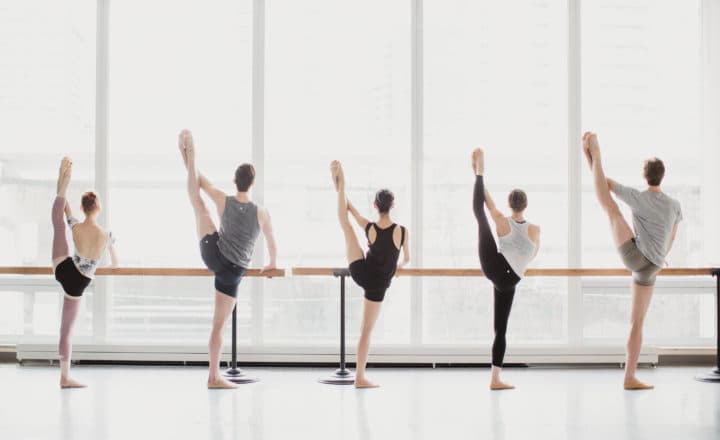
Dance Studios
Move your body after work at one of the East End's many welcoming dance studios, where classes run the gamut from beginner-friendly to seriously skilled. The Leslieville School of Dance is a neighbourhood favourite, joined by gems like Beaches Dance and Music Studio, Cadence Dance Academy, and Pegasus — meaning there's truly a style and pace for everyone. Whether you're chasing a salsa high or just want to shake off the workday, this corner of the city has a floor waiting for you.

Grant African Methodist Episcopal Church
Visit Grant African Methodist Episcopal Church, one of Toronto's oldest and most historically significant Black congregations, founded in 1833. Many of its early members arrived in Canada through the Underground Railroad, making this a living landmark of resilience, faith, and community. Spending time here offers a rare and moving connection to the city's deep roots in the story of freedom.
Cornerstone Studio
Discover your rhythm at Cornerstone Studio, a welcoming community dance space on Gerrard East that embraces movers of every age and background. Whether you're drawn to the energy of Bhangra, the acrobatic flair of Acro, or something entirely new, there's a style here waiting for you. Show up curious, leave inspired — this is the kind of place that quietly becomes a weekly ritual.

Mural Art in the East End
Wander through one of Toronto's most colourful open-air galleries along Gerrard Street East, where large-scale murals transform neighbourhood walls into bold declarations of identity and belonging. Each piece tells a story — of collaboration between artists and residents, of cultures layered beautifully on top of one another. Bring a friend, take your time, and let the east end surprise you around every corner.

Scarborough Rapid Transit
Ride or observe a genuine piece of Toronto transit history with the Scarborough Rapid Transit line, an elevated rail system that debuted in 1985 and briefly inspired cities around the world. Built on an ambitious vision of the future, its distinctive linear induction cars became a beloved — if quirky — fixture of the eastern city. Whether you're a transit nerd or just curious, tracing its route is a fascinating window into how Toronto once imagined itself.

Petra, Jordan (2016)
Step off the sidewalk and into another world with this stunning mural tribute to Petra, the rose-red ancient city carved into Jordanian rock. Part of StreetARToronto's sweeping New7Wonders of the World series, it's one of several large-scale works dotting the East Chinatown and Broadview corridor. Grab a coffee nearby and make an evening of it by strolling the full mural trail — each stop is a jaw-dropping reminder that great art doesn't require an admission fee.

Assembly Hall
Explore the storied Assembly Hall at Colonel Samuel Smith Park, a heritage building dating back to 1898 that once served as the social and recreational heart of the former Lakeshore Psychiatric Hospital community. Originally built to bring patients and neighbours together through events and shared programming, it became a landmark gathering space for the surrounding area long before the neighbourhood took its current shape. Visiting today offers a quietly moving connection to Toronto's layered institutional and social history.

Bell Box Mural by Bareket Kezwer (2017)
Seek out this quietly powerful utility box mural tucked into a residential corner, where artist Bareket Kezwer weaves together textile patterns and reggae-inspired colour palettes into something genuinely moving. The piece pays homage to the neighbourhood's rich industrial and cultural heritage, echoing themes explored in the nearby Walter Saunders Memorial Park mural project. It's a perfect excuse to slow down, explore on foot, and let the neighbourhood's layered history wash over you.

Project Picasso (2015)
Duck behind the striking Zhong Hua Men Archway on Hamilton Avenue to find this Asian-inspired mural tucked inside a Green P parking lot — proof that great art hides in unexpected places. Project Picasso was a 2015 initiative led by Toronto Police 55 Division in collaboration with local artists and students from Riverdale Collegiate Institute, channelling youthful creativity into something lasting and beautiful. It's a rewarding little detour that speaks to the power of community art as both expression and transformation.

Transit Mural by Jim Bravo (2017)
Stroll past this striking street mural along Eglinton Avenue West and catch a vivid snapshot of Toronto's transit story — from the beloved old Eglinton streetcar to the sleek future vehicles of the Crosstown LRT, all painted together in one bold, forward-looking scene. Created by artist Jim Bravo before the LRT even opened, it's a rare work of public art that bridges nostalgia and optimism in equal measure. Bring a friend and let the conversation flow about how much the city has changed.

Golden Find (2018)
Brighten your evening commute with a visit to Ted Hamer's cheerful goldfinch mural on Eglinton West — a burst of sunshine yellow against a richly coloured backdrop that's impossible to walk past without smiling. Commissioned by the Fairbank BIA in 2018, it's a small but mighty piece of public art that brings genuine warmth to the neighbourhood streetscape. A perfect spontaneous stop for anyone who appreciates bold, joyful colour.

Arts in Oakwood
Wander through Oakwood Village, one of Toronto's most culturally layered neighbourhoods, where Caribbean, Portuguese, and Italian influences weave together along the storefronts and streetscapes. Anchored between Eglinton West and St. Clair, this walkable area rewards slow, curious exploration — from murals and community gardens to the independent spots that have defined the area for decades. Bring a friend and let the neighbourhood tell its own story.

Humber River
Lace up and head out along one of Toronto's most storied natural corridors — the Humber River, a designated Canadian Heritage River that has anchored Indigenous life, trade, and culture for over 12,000 years. The recreational trail hugging its banks is a favourite for cyclists, joggers, and easy evening strollers alike, offering a genuine sense of escape with the city still close at hand. There's a quiet reverence to walking here, especially as the light drops and the water catches the evening sky.

Oakwood Library and Arts Centre
Discover a neighbourhood gem where creativity and community genuinely intersect. Oakwood Village Library and Arts Centre rotates monthly exhibitions from local artists, offers a dedicated music practice room, and runs programs for all ages — making it one of those rare spaces that feels alive no matter when you wander in. Whether you're catching a talk, exploring an art show, or just soaking in the atmosphere, this is the kind of after-work stop that quietly feeds your soul.

North Etobicoke Through the Years
Step into the layered history of North Etobicoke through this accessible public installation that traces the neighbourhood's journey from dense forest to farmland to the vibrant suburban community it is today. It's the kind of local storytelling that puts your own daily surroundings into fascinating perspective, revealing the waves of change that shaped the streets you walk. A thoughtful after-work stop for the curious and the history-curious alike.

Breakdancing Sloths
Seek out this joyful, larger-than-life mural celebrating breakdancing sloths — a playful nod to youth culture, hip hop, and the power of moving to your own beat. Artist Karen Roberts flips the script on tired stereotypes, turning a street corner into a celebration of passion and possibility. It's the kind of public art that stops you mid-stride and leaves you smiling.

Scarborough Bluffs
Hike out to one of Toronto's most breathtaking natural wonders and let the scale of the Scarborough Bluffs stop you in your tracks. Towering up to 90 metres above Lake Ontario, these ancient clay-and-sand cliffs tell a geological story stretching back to the last Ice Age — fossils and all. It's the kind of after-work reset that reminds you the city has wild, untamed edges worth exploring.

Washington Manse
Wander over to Washington Manse, a beautifully preserved 19th-century Gothic Vernacular building that quietly anchors the history of Scarborough's early Methodist community. Built in 1875 and expanded in 1893, it's a rare architectural gem that rewards curious walkers who take a moment to look beyond the surface. Bring a coffee, take in the details, and let a little local history sneak up on you.

Maria A. Shchuka Library Branch
Discover a neighbourhood gem that's been serving the community since 1951. The Maria A. Shchuka Library Branch — named after a beloved head librarian — underwent a thoughtful transformation in 2002 and now offers rotating art exhibitions alongside its full range of resources. Step in after work to browse, reflect, or simply soak up the quiet creative energy of a space that genuinely cares about the people it serves.

Bell Box by Jim Bravo (2017)
Pause at the corner of Jesmond and Oakwood to take in Jim Bravo's affectionate tribute to the tailoring legacy that once defined this neighbourhood. A bold yellow measuring tape winds past sharp suits, stylish hats, polished shoes, and a pair of scissors — a vivid snapshot of the skilled craftspeople who shaped the York-Eglinton and Oakwood community. It's the kind of street art that tells a real story, and rewards those who slow down enough to read it.

Lambton Mills Bridge
Stroll along the Humber Recreational Trail and pause at this quietly fascinating piece of Toronto's early infrastructure history. The original stone abutments dating to around 1880 still stand as a testament to the city's first major river crossing, where Dundas Street once met the Humber. It's the kind of understated landmark that rewards curious walkers who love discovering the layered stories hiding in plain sight along the trail.

Tim Hunter Bell Box Mural (2014)
Pause at this quietly compelling piece of street-level public art, where artist Tim Hunter transformed an ordinary utility box into a portrait-rich canvas as part of the city's beloved Bell Box Mural Project. Hunter's expressive brushwork brings vivid human faces to an otherwise overlooked corner of the streetscape, turning a quick errand or evening stroll into a small but genuine artistic encounter. A reminder that Toronto's creativity often lives in the most unexpected places.
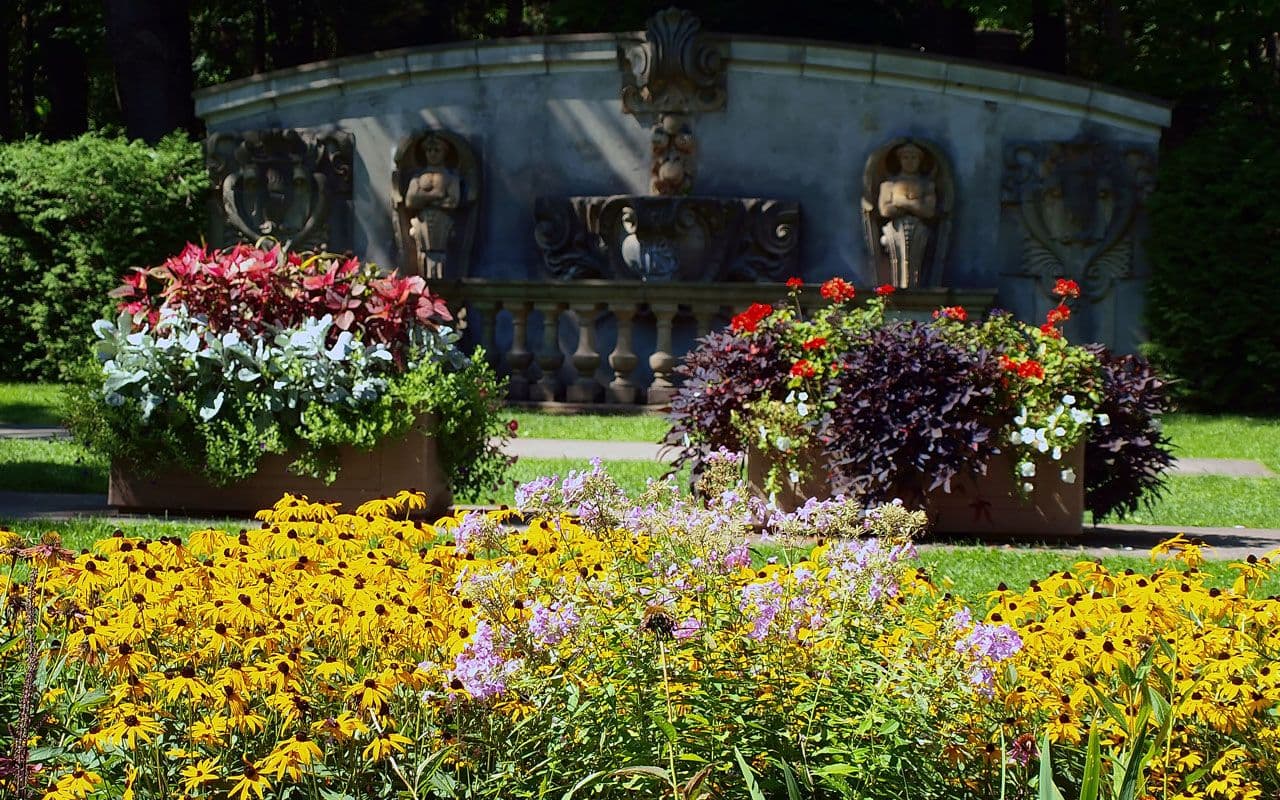
Guild Park & Gardens
Wander through one of Toronto's most quietly special green spaces, where sweeping gardens meet an open-air collection of rescued architectural fragments and sculptures. Guild Park's 36 hectares carry a rich legacy tied to Canadian artists and cultural patrons who believed beauty deserved to be preserved. It's an unhurried, inspiring place to decompress after work — equal parts art gallery and peaceful park.

Bluffers Park
Escape the city grind with a visit to one of Toronto's most breathtaking natural retreats. Stretching 14 kilometres along the Lake Ontario shoreline, Bluffer's Park invites you to hike dramatic glacial bluffs, cast a line from the shore, or simply spread out a blanket on the beach and decompress. The sweeping views of the lake framed by towering clay cliffs make this the kind of place that quietly reminds you why living in this city is actually pretty special.
Dr. Rita Cox
Take a moment to honour an extraordinary figure in Toronto's cultural history at this tribute to Dr. Rita Cox — storyteller, librarian, and trailblazer. She built the Toronto Public Library's groundbreaking Black Heritage and West Indian Resource Collection, and later served as a Citizenship Court Judge. Stopping here is a quiet but powerful reminder of the community leaders who shaped this city's identity from the inside out.
Shared Path/Humber Recreational Trail
Lace up and follow one of Toronto's most rewarding green corridors — the Humber River Recreational Trail winds its way from Lake Ontario all the way north, tracing a route that Indigenous travellers once used for centuries. Whether you're jogging, cycling, or just taking a long after-work exhale, the riverside scenery makes every kilometre feel earned. It's the kind of trail that reminds you how wild and wide this city can actually feel.

Humber Marshes Park
Escape into one of Toronto's most quietly remarkable natural corridors, where ancient marsh levee ponds have barely changed in over two thousand years. Humber Marshes Park is a genuine urban sanctuary — alive with migratory birds, spawning salmon, and a richness of plant life that feels worlds away from the city grid just steps behind you. Bring your binoculars or simply slow down and let the wetland do its thing.
Centennial College
Explore the roots of Ontario's first publicly funded college, a institution that helped shape generations of Torontonians since 1966. Wander the Progress Avenue campus and soak in its rich history, from its humble beginnings in a repurposed factory to its evolution into a thriving educational hub. It's a surprisingly compelling stop for anyone curious about the city's post-war growth and the communities that built it.
Gates of Guildwood
Step through the historic Gates of Guildwood and into one of Toronto's most thoughtfully planned mid-century communities, shaped by the visionary ideals of Rosa and Spencer Clark. The neighbourhood that grew here after the Second World War was designed with environmental sensitivity long before that was fashionable, making it a fascinating place to explore on foot. It's a lovely, low-key after-work stroll that blends architectural history with leafy, walkable streets.
Boys & Girls Club East Scarborough Pillars
Take a slow stroll along Kingston Road and let the bold, colourful murals of the Boys & Girls Club East Scarborough Pillars stop you in your tracks. Part of Amnesty International's Project Urban Canvas, these vibrant works bring Article 24 — the right to rest and leisure — to life through joyful scenes of people reading, gardening, and simply being. It's public art with real meaning, and it hits differently after a long workday.

Sculptor's Cabin
Step into a piece of living history at the Sculptor's Cabin, a 1940 wooden studio nestled within Guild Park & Gardens that once sheltered some of Canada's most dedicated carvers. Built by Danish sculptor Aage Madsen, the cabin carries the quiet energy of decades of creative labour. It's the kind of place that makes you slow down, look closely, and leave feeling genuinely inspired by the artists who shaped it.

Intergenerational Community Mural
Wander over to Baycrest and take in this sweeping site-specific mural, a vibrant celebration of community created across generations during the summer of 2016. As part of the Cultural Hotspot's SPARK Project, residents and clients of all ages came together to leave their mark on the neighbourhood's visual landscape. It's a moving reminder of what happens when art becomes a shared act of belonging.

Columbus Centre
Wander into the Columbus Centre on Lawrence Avenue West for a quietly rewarding after-work detour into Italian-Canadian culture. Stroll through the serene sculpture garden tucked behind the building, then duck inside to catch whatever's showing at the Joseph D. Carrier Art Gallery, which has been spotlighting local and international talent since 1987. With programming spanning art, culinary traditions, fitness, and language, this community hub has a lot more going on than its understated exterior suggests.
Thomson Park Memorial Park Events
Head to Thomson Memorial Park when the calendar hits summer and you'll find the kind of free, feel-good events that make Toronto neighbourhoods worth knowing. Canada Day brings live music, a parade, and plenty of family energy, while August's Scarborough Ribfest rolls in with smoky ribs, lawn games, and a buzzy vendor market — all volunteer-run and completely free. It's the sort of easy, no-plans-needed evening that turns into a lasting local memory.
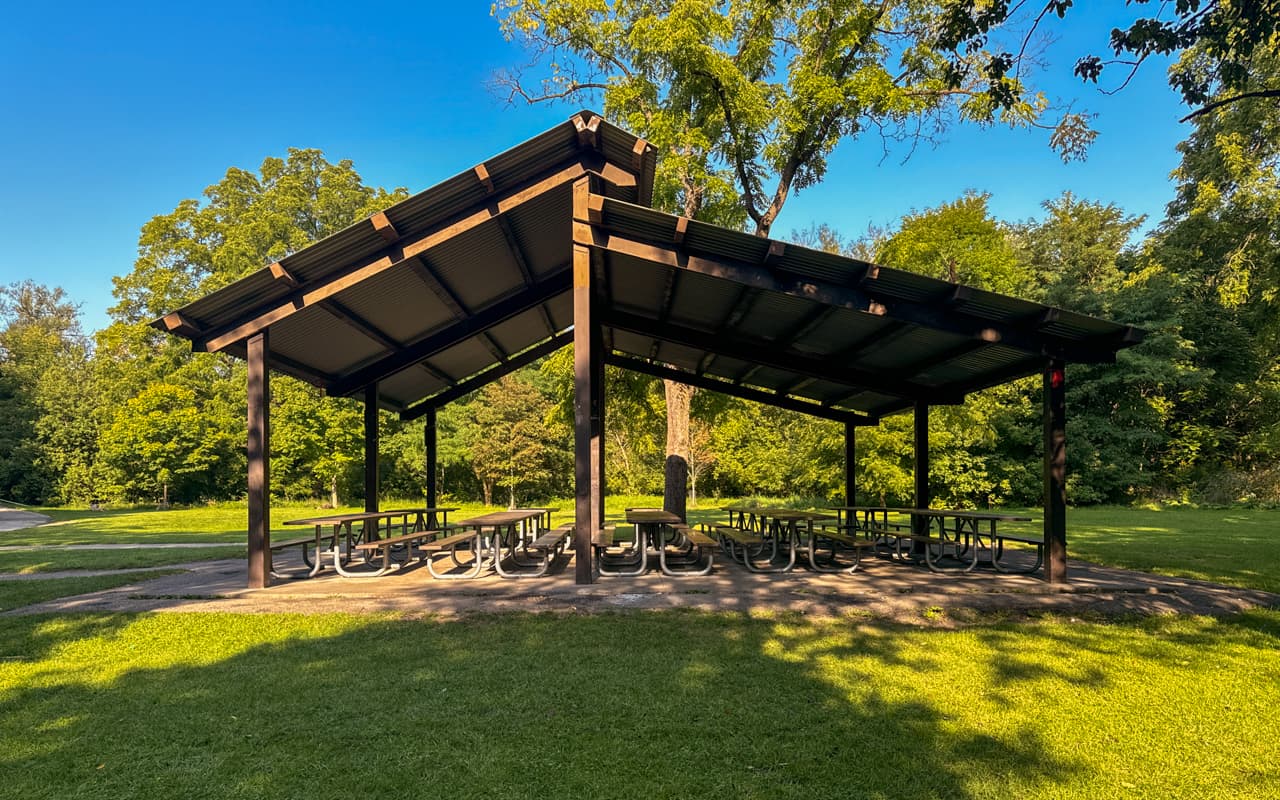
Thomson Memorial Park
Thomson Memorial Park is one of east Toronto's great open-air gathering spots, and it earns that reputation most loudly in summer. Show up for Canada Day and you'll find live music, a neighbourhood parade, and a genuinely festive crowd; return in August and Scarborough Ribfest takes over with smoky BBQ, vendors, and games in a volunteer-run celebration that feels refreshingly unpretentious. Either way, it's a perfect reason to get outside after work without spending a thing.

Arrival Mural (1997)
Pause at the entrance of McGregor Park Community Centre to take in this quietly powerful mural by artist David Wright, where a flock of Canada geese gradually transforms into monarch butterflies mid-flight — a graceful visual metaphor for migration and new beginnings. Created in 1997, the piece has lost none of its resonance, and stepping inside the centre reveals even more community-made artwork worth lingering over. A genuinely beautiful free detour on a weekday evening walk.

Coalition Music
Explore one of Toronto's most storied music institutions, housed inside a beautifully repurposed historic building that once served as a school and convent. Coalition Music is home to the Canadian Music Incubator, a program dedicated to nurturing artists at every stage of their journey. Whether you're a music lover or an aspiring creative, wandering through this Lawrence Avenue East landmark offers a genuine glimpse into the city's indie music backbone.

Barry Zukerman Amphitheatre
Catch a free live set under the open sky at the Barry Zukerman Amphitheatre, nestled inside Earl Bales Park and buzzing with summer energy all season long. Tuesday nights bring local musicians to the stage, making it one of the city's most underrated spots for an easygoing after-work wind-down. The surrounding murals add a colourful backdrop, and the whole vibe — laid-back, community-driven, completely free — is pure Toronto at its best.

Hoggs Hollow (Auberge du Pommier)
Treat yourself to an elevated French dining experience at Auberge du Pommier, nestled in the storied and picturesque Hoggs Hollow neighbourhood. The setting feels worlds away from the downtown rush — intimate, candlelit, and rooted in a landscape that's been drawing settlers and dreamers since Scottish businessman James Hogg arrived here in the 1820s. Whether you're celebrating something special or simply craving a long, luxurious after-work dinner, this is Toronto fine dining at its most transportive.

C. W. Jefferys Memorial
Pause at this beautifully crafted bronze sculpture tucked into York Mills Valley Park, a tribute to one of Canada's most celebrated historical artists. Created by sculptor Adrienne Alison in 2000, it captures C. W. Jefferys mid-practice — paintbrushes in hand, his iconic works etched into the pedestal below. It's a quiet, inspiring detour on an after-work walk, the kind of unexpected cultural gem that makes wandering Toronto's green spaces feel genuinely rewarding.

Long Branch Library
Step inside one of Toronto's most charming mid-century library branches and soak in its understated architectural character. The Long Branch Library, opened in 1955, greets you with a subtle stone relief carving above the entrance — likely the work of artist Elford Bradley Cox — blending classical sensibility with clean modernist lines. Whether you're browsing the stacks or simply appreciating the building itself, it's a calm, unhurried spot to decompress after work.
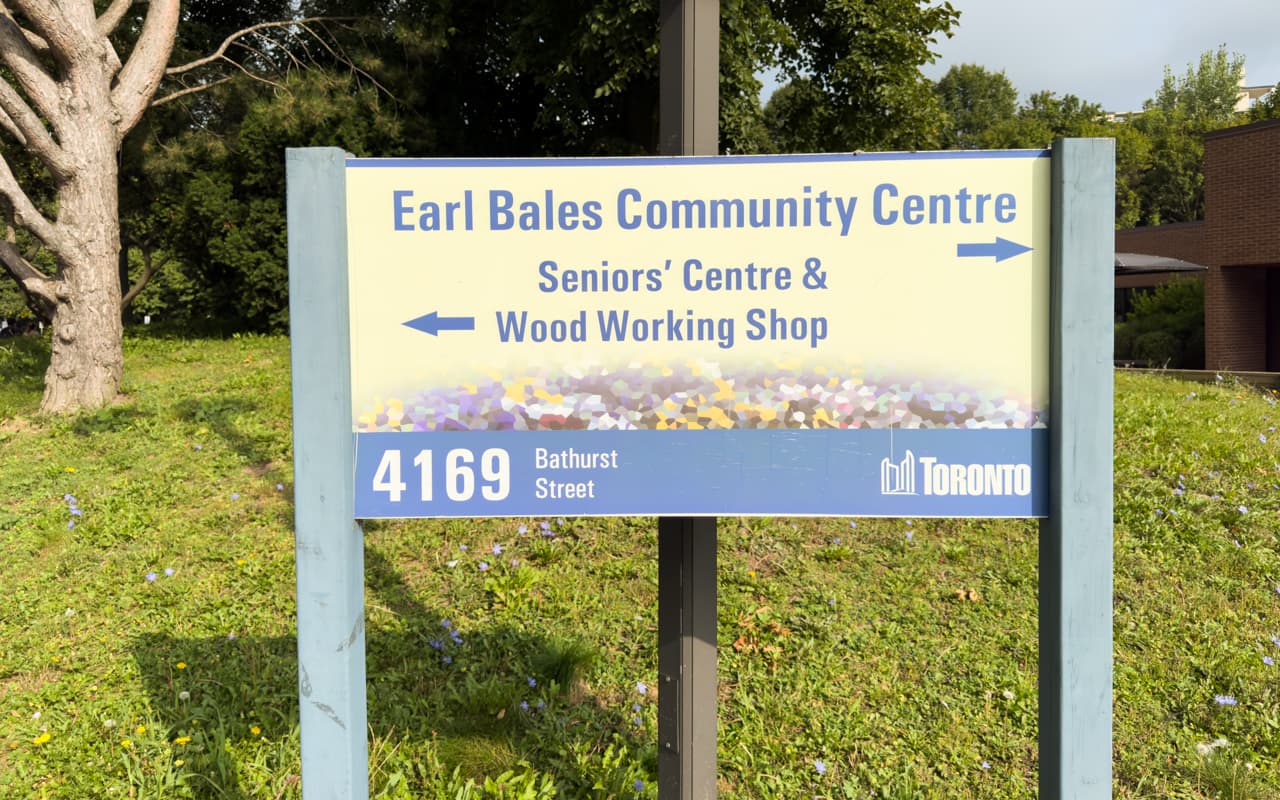
Earl Bales Community Centre
Explore one of Toronto's most welcoming community hubs, where there's genuinely something for everyone — from art studios and dance classes to fitness programs and youth drop-ins. Whether you're looking to pick up a new skill, stay active, or simply connect with neighbours, Earl Bales Community Centre makes it easy to show up and belong. With over 50 local groups calling it home, the energy here is warm, inclusive, and endlessly varied.

Naturescapes Mural
Wander through Earl Bales Park and let this striking large-scale mural stop you in your tracks. Created through a collaboration between professional artists Rob Matejka and Natasha Kudashkina and local youth artists, Naturescapes is both a public art landmark and a testament to what mentorship and community can create together. It's the kind of piece that rewards a slow look — vivid, layered, and rooted in the neighbourhood's own creative spirit.

501 Streetcar
Board the legendary 501 Queen and let Toronto unfold around you. Stretching nearly 24 kilometres end to end, it's the longest streetcar route in North America — a rolling cross-section of the city that carries you through neighbourhoods, waterfronts, and decades of urban character. Grab a window seat after work and treat the commute itself as the adventure.

C. W. Jefferys House
Step back into Toronto's layered history at this remarkable heritage home on Yonge Street, built around 1833 and steeped in stories spanning nearly two centuries. Once a Presbyterian parsonage and later the beloved residence of celebrated Canadian artist C. W. Jefferys, the house quietly anchors the neighbourhood's past. Strolling by after work offers a rare, grounding moment — a chance to connect with the artists and builders who shaped this city long before the condos arrived.

Poetry is Public is Poetry at Cedarbrae Library
Duck into Cedarbrae Library after work and let poetry greet you at the door — literally. As part of a thoughtful 2010 renovation, lines from poet Rosemary Sullivan were woven directly into the building's architecture, turning the space into a quiet celebration of words and community. It's a wonderfully low-key way to end your day: browse the stacks, sit with a poem, and remember that some of the city's best cultural moments cost absolutely nothing.

The Community Arts Guild
Connect with something genuinely meaningful through the Community Arts Guild, an east Scarborough collective using art to bridge language, culture, age, and distance. Working across puppetry, theatre, music, installation, and writing, they bring together residents and local organizations to create work that reflects and celebrates their communities. If you're looking for an after-work experience that feels both artistically rich and deeply human, this is the kind of place that reminds you why creativity matters.

Lawrence Orton Mural (2016)
Stroll past this striking outdoor mural on Lawrence Avenue East and let it stop you in your tracks — in the best way. Created by artists Ted Hamer, Skratch Won, and Rowell Soller, the piece weaves together Toronto's natural and urban worlds, featuring native wildlife like blue jays and red foxes alongside bold, colourful lettering. It's the kind of public art that turns an ordinary after-work walk into something worth talking about.

Sextons House
Step back to the 1880s at the Sexton's House, a beautifully restored wood-board cottage tucked beside St. Andrews Presbyterian Church in Scarborough. Once home to the churchyard caretaker, the structure was lovingly brought back to life by the Scarborough Historical Society and stands as a quiet testament to early European settlement in the area. It's the kind of understated gem that rewards the curious after-work wanderer with genuine local history.

Tabor Hill Ossuary
Visit one of Toronto's most significant and sobering Indigenous heritage sites — the Tabor Hill Ossuary, a 13th-century Wendat burial ground holding the communal remains of nearly 475 people, interred through the deeply meaningful Feast of Souls ceremony. Standing here offers a rare moment of reflection on the deep Indigenous history that predates the city by centuries. A humbling, important stop for anyone looking to connect with the land beneath Toronto's modern surface.

Small Arms Inspection Building
Step inside one of Ontario's most fascinating pieces of wartime history, tucked along the waterfront in the Arsenal Lands. The Small Arms Inspection Building has been lovingly repurposed into a cultural hub where art, community events, and local makers bring its storied past to life. Wander through its grand industrial halls and let the layers of Canadian history — from munitions factory to creative gathering space — spark something unexpected in your evening.

Holy Blossom Temple
Visit one of Toronto's most storied spiritual landmarks — Holy Blossom Temple has been a cornerstone of the city's Jewish community since its founding in 1856, making it one of the oldest congregations in Canada. Today the congregation numbers in the thousands, and the grand Bathurst Street building reflects the community's long, layered journey through the city. Check for public events, lectures, or cultural programming that open its doors to curious visitors.
Oakwood Station (Eglinton Crosstown LRT)
Step into a slice of living urban history at the Oakwood Station construction site along the long-anticipated Eglinton Crosstown LRT. Eglinton Avenue is uniquely Toronto — the only major road that stitches together all of the city's former municipalities — and this new transit line is reshaping the communities along it in real time. Watching it take shape is a genuinely fascinating window into how the city moves forward.

Ben Nobleman Park Community Orchard
Discover Toronto's very first community orchard tucked inside Ben Nobleman Park, where apple, plum, apricot, and sweet cherry trees have been growing since 2009. Maintained by dedicated volunteers in partnership with Growing for Green and the beloved Not Far from the Tree project, this green pocket is equal parts edible garden and neighbourhood gathering place. It's the kind of spot that makes you slow down, breathe deeper, and feel genuinely good about where you live.
Oakwood Village BIA
Explore the heart of Oakwood Village through its lively community gatherings and artisan markets set in Charles Breton Park. The Oakwood Village BIA brings together local makers, vendors, and neighbours in a way that feels genuinely rooted — not curated for tourists. Drop by on a warm evening and you'll find yourself lingering longer than planned, discovering a side of Toronto that still feels like a real neighbourhood.

Magwood Park (Magwood Sanctuary)
Slip away into Magwood Park's unexpected pocket of deciduous forest and wetland, tucked right inside the city and brimming with birdsong and native plantings. Community-led stewardship has transformed this sanctuary into a genuinely restorative green space, where you can decompress on a quiet trail while learning about the local ecosystem and the cultural heritage tied to this stretch of land. It's the kind of after-work exhale that reminds you Toronto still has wild, unhurried corners.

Mount Olive Seventh Day Adventist Church
Seek out the striking silhouette of Mount Olive Seventh Day Adventist Church, a mid-century expressionist gem that stops you in your tracks. Its sweeping bell-shaped roof, row of slender pinnacles, and bold central geometric window make it one of the more architecturally distinctive religious buildings in the city. A quiet detour for anyone who loves discovering Toronto's more unexpected pockets of design history.
Village Green Park
Unwind at Etobicoke's oldest park, a green pocket of history that dates back to 1896 when local residents banded together to ensure it was preserved for the public good. Village Green Park is the kind of neighbourhood gem that rewards those who venture off the beaten path — quiet, leafy, and full of character. Pack a snack, find a bench, and let the after-work stress melt away in one of Toronto's most historically rooted outdoor spaces.

433 Eastern Avenue, Building B
Wander past one of Toronto's most handsome survivors of Edwardian industrial architecture on Eastern Avenue. Originally opened in 1912 as Consumers' Gas Station B, this striking red brick factory still turns heads with its decorative stone lintels, arched windows, and distinctive monitored roofline. It's a rewarding stop for anyone who loves the layered industrial history baked into Toronto's east end — a living reminder of the city's manufacturing past that's found new life in the present.

Mount Dennis Library
Duck into the Mount Dennis branch of the Toronto Public Library and soak up a space that's been serving this community in one form or another since the 1920s. Whether you're browsing new arrivals, catching a community program, or just settling into a quiet corner with a book, it's a genuinely welcoming neighbourhood anchor. A reminder that some of the best after-work escapes don't cost a thing.

Black Creek at Weston Rd.
Stroll down to the Black Creek viewpoint at Humber Boulevard and Weston Road for a quiet moment with Toronto's glacial past. The creek and its surrounding ravine are a living reminder of the dramatic landscape that shaped this city over thousands of years. It's an easy, grounding detour after work — the kind of green pause that resets you before you head home.

Nyctophilia (2010)
Seek out Nyctophilia on Weston Road — a quietly dramatic public installation by Toronto artists Daniel Young and Christian Giroux featuring ten utility poles crowned with 36 street lights radiating in every direction. At dusk it transforms an ordinary streetscape into something almost ceremonial, marking the edge of Mount Dennis with warmth and intention. It's a favourite for those who know, and a genuine surprise for those who stumble upon it.

supercoffee Polinator Murals (2018)
Seek out this striking exterior mural by Toronto artist Nick Sweetman, wrapped around the walls of supercoffee on Weston Road. Buzzing with colour and intention, the piece celebrates Mount Dennis's eco-conscious spirit through vivid depictions of bees, blooming flowers, and a neighbourhood skyline. It's the kind of public art that makes an ordinary errand feel like a small discovery — a perfect excuse to slow down and take in a community's story told in paint.

Mount Dennis Eco Mural (2018)
Tucked behind Weston Road, this lush 2018 mural by Alex Bacon and Christina Mazzulla feels like a quiet love letter to the natural world that borders Mount Dennis and the Humber River. An egret, an owl, and a red-winged blackbird share the wall in vivid detail, echoing the pollinator theme from the mural across the street. Wander back here after work for a moment of unexpected calm — urban nature rendered in brilliant colour.
Up To This Moment (2019)
Pause your commute and let yourself be moved by Up to This Moment, a hypnotic video artwork by the acclaimed duo Hadley + Maxwell installed in the upper concourse of Mount Dennis station. Each day brings a new moving image of transformation, turning an everyday transit moment into something quietly meditative and thought-provoking. It's the rare piece of public art that genuinely rewards a second look — and a perfect excuse to linger a little longer on your way home.

Leslieville Mural (2016)
Take a moment to stop in front of this vivid 2016 mural by celebrated Toronto street artist Elicser, painted along Queen Street East in the heart of Leslieville. The piece pays tribute to Alexander Muir — poet, songwriter, and neighbourhood resident — depicted resting beneath the very maple tree that sparked 'The Maple Leaf Forever.' It's a beautiful, story-rich example of how Toronto's public art scene weaves local history into the everyday streetscape, well worth a slow look on your evening stroll.

The Optical Illusion Box (2019)
Seek out this quietly delightful piece of public art tucked near Emmett Avenue, where artist Pam Lostracco has turned an ordinary utility box into a playful trompe-l'oeil moment. Painted to mirror the park directly behind it, the mural creates a convincing illusion of transparency — with colourful geometric stripes framing what feels like an invitation to step through the canvas. It's the kind of small, joyful discovery that makes wandering Toronto's west-end neighbourhoods so rewarding.

Trethewey Airfield
Visit the site of Toronto's very first airfield — a surprisingly rich slice of history tucked into a quiet west-end circle. Established in 1910 on the Trethewey Model Farm, this was the ground where French aviator Count Jacques de Lesseps made aviation history, drawing crowds and international attention to a city still finding its footing. Strolling through today, it's a wonderfully low-key way to connect with a chapter of Toronto's story that most locals have never heard.

UrbanArts
Discover one of Toronto's longest-running community arts organizations, dedicated to uplifting artists and residents in the York neighbourhood for over three decades. UrbanArts offers a rich mix of artistic development programs, hands-on training, and real employment pathways for local creatives at every stage of their journey. Whether you're an emerging artist or simply curious about the local arts scene, this is a welcoming space where community and creativity genuinely intersect.

Bala Avenue Community School
Step into a piece of Toronto's architectural and educational history at Bala Avenue Community School, a beautifully crafted 1913 building that still serves its neighbourhood with purpose. Beyond its striking decorative brickwork, the school today leads meaningful work weaving First Nations, Métis, and Inuit perspectives into everyday learning. It's a quietly inspiring reminder that community spaces can honour the past while building something more inclusive for the future.

Topham Pond
Wind down after work beside Topham Pond, a serene man-made oasis tucked inside Gladhurst Park that feels remarkably wild for a city setting. The wetlands attract a surprisingly diverse range of fish — largemouth bass, black crappie, pumpkinseed, and more — making it a quiet favourite for casual anglers and nature lovers alike. Grab a spot on one of the benches, cast a line, or simply let the stillness of the water do its thing.
CCM in Weston
Discover the industrial legacy of one of Canada's most iconic brands at this heritage marker celebrating the CCM bicycle factory that once hummed along Lawrence Avenue West. From 1917 to 1980, this Weston site churned out generations of beloved Canadian bikes, making it a fascinating stop for history buffs and cycling enthusiasts alike. Wander by, read the plaque, and let yourself get lost imagining the factory floors that helped put a nation on two wheels.

Historic Town Hall Bell
Step into a quiet corner of Toronto's past at this heritage site commemorating Weston's original Town Hall, a proud Victorian-era civic landmark that stood from 1885 until its demolition in 1957. Though the building is long gone, its historic bell lives on as a tangible echo of the village that once was. It's the kind of understated discovery that makes a neighbourhood walk feel genuinely meaningful — a small monument carrying a surprisingly big story.

Ralph Thornton Community Centre
Duck into the Ralph Thornton Community Centre and you'll find a vibrant neighbourhood hub housed inside one of Toronto's most beautiful heritage buildings. Designed in 1913 by the legendary E.J. Lennox — the same architect behind Casa Loma and Old City Hall — the neoclassical structure is stunning in its own right. Whether you're dropping in for a program, an event, or just to admire the architecture, this place radiates the best of what community looks like.
Raymore Bridge and Plaque
Walk out to Raymore Bridge and feel the weight of one of Toronto's most haunting historical moments — the night Hurricane Hazel tore through the Humber River Valley in 1954, taking homes and lives along with it. The current bridge, rebuilt in 1995, now anchors a peaceful stretch of the Humber River Recreational Trail, while Raymore Park stands as a quiet, moving memorial to those lost. It's equal parts serene green escape and deeply human story, tucked right into the city's western edge.

Weston Village BIA
Explore one of Toronto's most storied commercial corridors, anchored by a business improvement area that's been knitting community together since 1979. Weston Village BIA brings together over 160 local shops, restaurants, and services — many of them longstanding neighbourhood institutions. Whether you're grazing menus or browsing indie storefronts, this is a genuine slice of old Toronto still very much alive and kicking.

Squibb's Stationers
Step into Squibb's Stationers and feel nearly a century of Toronto history settle around you — this is the city's oldest bookstore, open since 1927 and still family-rooted in spirit. Browsing its shelves feels less like shopping and more like a quiet act of cultural preservation. If you love the weight of a real book or the smell of quality paper, this is your kind of after-work detour.

Historic Building
Wander past one of Weston's oldest surviving structures — a beautifully intact saltbox-style building dating back to the 1860s — and let the architecture do the storytelling. Its sloped roof, wooden frame, and asymmetrical silhouette are a rare glimpse into pre-Confederation Toronto building traditions. It's the kind of quiet discovery that makes an evening walk feel unexpectedly rich.

Little Avenue Memorial Park and Lloyd George Sainsbury Bandshell
Tuck away from the bustle of Weston Road and find your breath at Little Avenue Memorial Park, a genuine neighbourhood gem anchored by the Lloyd George Sainsbury Bandshell. The covered stage hosts concerts and community events throughout the warmer months, while the park's distinctive shale detailing — sourced from the nearby Humber River — gives it an earthy, rooted character. It's the kind of green space that reminds you why local parks matter.

Historic Fire Hall
Pause your evening commute and take in one of Toronto's most quietly fascinating architectural survivors. This sturdy redbrick fire hall, built in 1913, has led multiple lives — from protecting a pre-amalgamation Weston neighbourhood to its current incarnation as a funeral home, all while preserving its original facade. Stroll past and let the building do the storytelling, a rare reminder of how deeply layered this city's history really is.

Weston Masonic Hall
Wander past this century-old Masonic hall and step into one of the world's most enduring fraternal traditions. Operating since 1924 and still active with over 125 members today, the Weston Masonic Temple is a living piece of civic and social history hiding in plain sight. Whether you're curious about the symbolism carved into its architecture or the stonemason origins of Freemasonry itself, this is a thought-provoking stop on any after-work heritage walk.

Echo in Joel Weeks Park
Wander through Joel Weeks Park and discover something quietly magical tucked into its corners — three bronze and granite sculptures of a beaver, a fox, and four squirrels by artist Mary Anne Barkhouse. Each piece is rendered with care and intention, celebrating the wildlife woven into Canada's natural and cultural identity. It's the kind of unexpected public art encounter that makes an after-work stroll feel like a little adventure.

Reggae Lane (2015)
Seek out Reggae Lane off Eglinton Avenue West, where a striking 1,200-square-foot mural bursts to life in celebration of Little Jamaica's deep musical roots. Created collaboratively by local youth and artists as part of Toronto's Laneway Project, the vibrant artwork transforms what was once a forgotten alley into a powerful tribute to Caribbean culture and the reggae genre's influence on the city. It's the perfect quiet discovery for an after-work wander with a coffee in hand.

The Tyrrell House
Step back into the founding era of Weston by visiting the historic Tyrrell House, once home to the neighbourhood's first reeve and a man who literally shaped the city around him. William Tyrrell left his mark on streets, sewers, bridges, and buildings across the Township of York — and this modest address tells that story quietly but powerfully. It's a grounding, thoughtful stop for anyone curious about how Toronto's older neighbourhoods were built from the ground up.

Weston Presbyterian Church (1880)
Wander over to this beautifully preserved redbrick gem that has anchored the Weston community for over 150 years. Designed and built in 1880 by the prolific William Tyrrell, the Weston Presbyterian Church features graceful Gothic Revival details — think stone-arched windows and understated ornamentation that reward a slow, curious look. Whether you're a history buff or simply appreciate enduring architecture, this is a quietly compelling free stop on any neighbourhood walk.

Gardhouse
Make your way to Fern Avenue to admire the Gardhouse, a handsome 1913 Georgian-style redbrick home complete with an original two-bay wood-clad stable — a rare surviving pairing in the city. The property is designated heritage for good reason: its original owner, John Gardhouse, was a world-renowned livestock breeder and a celebrated figure in Canadian agricultural history. Strolling past this beautifully preserved estate feels like a gentle, unhurried window into Toronto's rural past.

Central United Church
Wander into one of Canada's earliest United Church congregations, a historic landmark with roots stretching back to a modest log structure built by Wesleyan Methodists in 1821. Central United Church carries over two centuries of community life within its walls, making it a fascinating stop for anyone drawn to Toronto's deeper spiritual and architectural heritage. Whether you pop in for a quiet moment of reflection or a scheduled community event, there's a warmth here that transcends the passage of time.

Toronto Pan Am Sports Centre
Dive into one of the most impressive sports facilities the city has to offer, originally built for the 2015 Pan Am Games and still thriving as a public destination. Swim laps in an Olympic-sized pool, challenge yourself on the climbing wall, or log kilometres on the 200-metre indoor track — all under one roof. Whether you're a dedicated athlete or just looking to shake off the workday, this place has the energy and the equipment to match your mood.

UTSC Campus
Wander one of Canada's most architecturally striking university campuses, originally designed by acclaimed Australian architect John Andrews in 1964 — the same visionary behind CN Tower's design influence. The UTSC campus feels like a world apart from the city, with brutalist concrete forms set against ravine greenery and open courtyards perfect for an after-work stroll. Whether you're an architecture nerd, a nature lover, or just need a change of scenery, this east-end gem consistently surprises first-timers.

Community Orchard Electrical Box Mural (2019)
Seek out this charming piece of public art nestled inside Ben Nobleman Park, where artist Caitlin Taguibao turned a humble electrical box into a celebration of blossoms, cherries, and buzzing bees. Commissioned in 2019 to mark the community orchard's tenth anniversary in partnership with The STEPS Initiative, it's a small but genuinely delightful discovery on an after-work stroll. Street art fans and casual wanderers alike will want to linger — and maybe look up what else STEPS has been quietly planting across the city.

Cruikshank Park
Wander through one of Toronto's most quietly storied green spaces, tucked along the Humber River where sawmills once hummed in the 1800s. Cruikshank Park carries centuries of local history beneath its canopy, making an after-work stroll feel genuinely grounding. Pack a snack, follow the river path, and let the layered past of this old Weston neighbourhood add some unexpected depth to your evening wind-down.

Interregnum: Corner Displacement for John Andrews, UTSC Instructional Centre
Pause for a moment inside UTSC's Instructional Centre and let this striking geometric sculpture stop you in your tracks. Created by Sobey Art Award-winning duo Daniel Young and Christian Giroux, the piece enters into a quiet dialogue with the building's architecture, bending space in ways that reward a slow look. It's a free, low-key art encounter that transforms an everyday campus visit into something a little more contemplative.

East Scarborough Storefront
Step into one of Toronto's most creatively repurposed community spaces — a former police station where the old holding cells now serve as offices for the people doing real good in East Scarborough. Founded in 2001, the East Scarborough Storefront brings together community groups and social services under one roof, hosting programs, events, and gatherings that connect neighbours and build belonging. If you're looking to plug into something meaningful after work, this is a genuinely inspiring place to start.

Weston Plank Road Company
Step up to one of Weston's oldest surviving buildings and feel the weight of 19th-century ambition in its weathered walls. Built in 1841, this former Plank Road Company office tells the story of how wooden roads literally shaped the growth of a village — and by extension, the city we know today. It's the kind of free, no-fuss historical encounter that makes an evening walk feel surprisingly rich.

Clark Centre for the Arts
Discover one of Toronto's most anticipated cultural projects taking shape at Guild Park & Gardens. The Clark Centre for the Arts is a city-run creative hub being built within a beautifully rehabilitated heritage structure, promising future arts studios, gallery space, and a flexible community venue. Even mid-construction, the surrounding grounds offer a compelling glimpse into the city's commitment to accessible arts infrastructure — well worth a wander if you find yourself in the east end.

Early Mill Site
Discover a charming little parkette at the north end of Weston Road where a genuine millstone sits as a quiet tribute to the grist and sawmills that powered this community in the early 1800s. It's a blink-and-you'll-miss-it gem that rewards curious walkers with a tangible connection to the neighbourhood's milling roots. Perfect for a slow, reflective after-work stroll with a good podcast or a friend who loves local history.

Arts and Culture on Weston Road
Explore Weston Road's thriving arts corridor, where vibrant murals splash colour across building facades and community-driven creative programs bring local voices to life. This stretch has quietly built a reputation as one of York's most genuine arts hubs, with organizations running everything from studio workshops to public installations. Come for the street art, stay for the sense that something real and community-rooted is happening here.

Weston UP Express Murals (2018)
Discover one of Toronto's most ambitious community murals stretching a jaw-dropping 260 feet along the UP Express corridor on Weston Road. Conceived by artist Mahmood Popal and brought to life alongside local residents through hands-on stencil workshops, this vibrant public artwork pulses with neighbourhood pride and grassroots creativity. Wander by at golden hour for the best light, and take a moment to appreciate how art can transform an everyday commute into something genuinely moving.
Weston Mount Dennis Community Place Hub
Step into a welcoming neighbourhood hub where community truly comes first — the Weston Mount Dennis Community Place Hub brings together 20 partner organizations under one roof to offer programs, services, and support for local residents. Whether you're looking to connect, learn something new, or simply find your footing in the city, this collaborative space offers a genuine sense of belonging. It's the kind of place that reminds you Toronto is made up of deeply caring, tight-knit communities worth getting to know.

York West Active Living Centre (2014)
Take a slow walk along Weston Road and let the murals at York West Active Living Centre tell the story of a neighbourhood in motion. Created by artists Jim Bravo, Niel Yee, Rowena Kizito, and Bryan Bermudez, the three-wall series captures the spirit of Weston — then and now — with colour, detail, and genuine local pride. It's an open-air gallery hiding in plain sight, and a lovely reason to slow your evening commute way down.

Weston Road Flow 16 (2016)
Catch Elicser Elliot's vibrant multi-panel mural along the John Street sound wall — a tribute to cycling culture and a nod to Drake's "Weston Road Flows" that feels both personal and proudly local. Painted in partnership with Metrolinx, the work honours Weston's deep-rooted manufacturing heritage and its bicycle-building legacy. It's a perfect pit stop on an evening stroll through the neighbourhood.

Lawrence Ave. W. Underpass Mural (2019)
Stroll beneath the Lawrence Ave. W. underpass and let this sweeping mural stop you in your tracks. Artists Alex Bacon and Que Rockford have woven the natural soul of the Humber River valley into every panel — red trilliums, saw-whet owls, great blue herons, and salmon all come alive in vivid colour. It's the kind of public art that makes a forgotten urban corridor feel like a love letter to the land.

Weston Sign and Pedestrian Bridge
Cross the Weston Pedestrian Bridge and take in one of the neighbourhood's most quietly impressive pieces of urban design. The twin arch structure, crafted by award-winning firm DTAH, elegantly stitches together Weston Road and Artscape Weston Common with the residential streets beyond the GO Transit corridor. It's a genuinely pleasant after-work walk that doubles as a mini architecture tour.

Artscape Weston Common
Discover Artscape Weston Common, Toronto's only Artscape hub outside the downtown core and a genuine heartbeat of the Weston–Mount Dennis community. Spread across 8,200 square feet, this creative placemaking hub uses art and culture to spark real neighbourhood connection and urban renewal. Whether you're dropping in for an event or just soaking up the energy, it's the kind of space that reminds you why community matters.

Administration Building (G Building)
Wander up to the grand Administration Building, a commanding 1890 Romanesque structure that anchors the historic Lakeshore grounds with serious architectural presence. Its soaring central tower, arched detailing, and sweeping circular driveway feel more European countryside than lakeside Toronto — which makes stumbling upon it all the more satisfying. Architecture lovers and history buffs will want to linger here longer than planned.

Aga Khan Museum
Discover centuries of Islamic art and culture at the Aga Khan Museum, a stunning architectural gem that feels like a portal to another world entirely. With over 1,000 artifacts spanning more than a millennium, the permanent collection alone is worth clearing your evening for — and the serene courtyard garden is one of the city's best-kept secrets for quiet reflection. An after-work visit here feels genuinely transportive.

The Cottages
Explore The Cottages, the beautifully preserved remnants of the former Lakeshore Psychiatric Hospital, now repurposed as part of the vibrant Humber College Lakeshore campus. The cottage-style architecture was designed to feel domestic and humane — a fascinating glimpse into the history of mental health care in Ontario. Walking the grounds feels like an open-air history lesson, where heritage buildings quietly tell stories most Torontonians have never heard.

I Love Weston
Stroll past this vibrant community mural on Weston Road and feel the neighbourhood's collective pride radiating off the wall. The I Love Weston mural is a simple, heartfelt declaration from the people who call this community home, and it's the kind of public art that makes a city feel truly lived-in and loved. A perfect spontaneous stop on an evening walk through the area.

The Windows of Time (2016)
Take a slow walk alongside one of Toronto's most ambitious outdoor murals — a sweeping 1,125-foot painted timeline of shop windows stretching from the early 1900s all the way to today. Artist Christiano De Araujo packed each era with intimate vignettes of everyday life, turning a stretch of Weston Road into an open-air history lesson that rewards close looking. It's the kind of public art that makes you stop, rewind, and notice details you almost missed.

Weston Streetscape (2017)
Pause in front of this striking mural wrapped around Weston's old fire hall and let the neighbourhood's Victorian-era streetscape come back to life. Designed by Eric Lee and painted by Mario Noviello, the work recreates Weston circa 1900 with remarkable detail — from the original town hall built in 1885 to the charming Little Hotel of the 1880s. It's a quiet, contemplative stop that connects the present to a surprisingly rich local past.

Culture and Nature Walkabout
Lace up your walking shoes and head to Milne Hollow for a self-guided walkabout that blends natural beauty with cultural discovery. This former 19th-century industrial site has transformed into a lush green corridor teeming with wildlife, striking public art installations, and North York's vibrant cultural institutions. It's the perfect after-work reset — equal parts history lesson and neighbourhood stroll.

Aga Khan Park
Wander into Aga Khan Park and feel the city fade away — this beautifully landscaped urban oasis surrounds both the Aga Khan Museum and the Ismaili Centre, weaving together art, architecture, and nature in a single breathtaking setting. Rooted in the rich traditions of Islamic culture, the park offers a rare moment of contemplative calm amid Toronto's bustle. Come for the greenery, stay for the architecture, and leave genuinely inspired.

Ismaili Centre
Step inside the Ismaili Centre Toronto and experience a space where stunning architecture meets meaningful community. Designed by the celebrated Charles Correa, the building is a quiet triumph of form and purpose — offering spaces for cultural gatherings, intellectual exchange, and moments of spiritual reflection. Whether you're drawn by the design or the history, this is a rare chance to experience a landmark that carries deep significance far beyond its walls.

CN Tower View Point
Head to the southeast tip of Colonel Samuel Smith Park for one of the city's most underrated skyline moments — a sweeping eastward view with the iconic CN Tower rising over 553 metres against the horizon. It's a perfect after-work wind-down spot, whether you're catching golden hour solo or sharing the view with a friend. Bring your camera, because this one absolutely earns its place on your camera roll.

Down the Humber River
Head down to the Humber River near Edenbridge Drive for an after-work nature moment that doubles as a geology lesson. The exposed layers of sedimentary rock along the riverbanks are a 12,000-year-old record of glacial forces that literally carved out the Great Lakes and Toronto's ravine system. It's equal parts beautiful and humbling — the kind of spot that puts your Tuesday in serious perspective.

Humber River Recreational Trail and Humber River
Lace up and head out on the Humber River Recreational Trail, a scenic 8.2-kilometre route that traces one of Toronto's most historically significant waterways. You're walking in the footsteps of First Nations peoples who travelled this corridor for thousands of years — a fact that gives every step a quiet weight. Whether you're running, cycling, or just strolling after work, the river-side greenery makes it one of the city's most rewarding escapes from the concrete grid.

Edgehill House
Wander through a piece of Toronto's social history at Edgehill House, the beautifully preserved early-1900s estate once known as Red Gables. Built by Frederick and Margaret James, this former summer retreat was a beloved hub for garden parties and live music — and true to the couple's generous spirit, it's been open to the public ever since. It's the kind of quiet, storied corner of the city that makes you feel like you've stumbled onto something special.
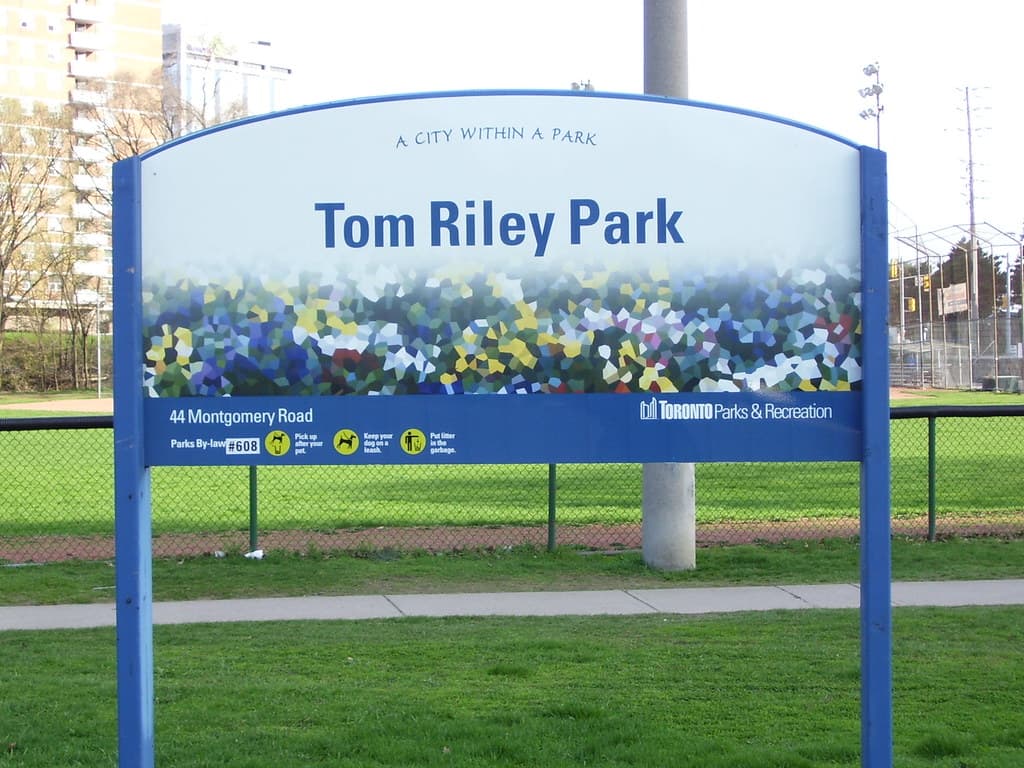
Tom Riley Park
Escape the after-work rush by slipping into Tom Riley Park, a long, leafy green corridor that follows the Mimico Creek valley between Bloor and Dundas. With roots going back to the early 1940s and land donated by local families, this park carries a quiet civic pride that feels welcoming in every season. Whether you're walking, stretching, or simply sitting creekside, it's an easy reset from the city's pace.

Noor Cultural Centre
Step into a building that's as much an architectural landmark as it is a cultural gathering place. Designed by the legendary Raymond Moriyama, the Noor Cultural Centre is a serene and beautifully crafted space dedicated to Islamic learning, art, and community celebration. Spending an evening here means engaging with thought-provoking programming inside walls that have drawn international admiration — a rare combination of intellectual nourishment and genuine aesthetic beauty.

Cumberland House
Step back in time at Cumberland House, a beautifully preserved 1895 Queen Anne gem tucked inside Colonel Samuel Smith Park. With its wrap-around veranda, distinctive turret, and storied past as a residence for the superintendent of the old Lakeshore Asylum, this spot rewards curious wanderers who love architecture and local history. It's the kind of quiet discovery that makes you feel like a true Toronto insider.

L Space Gallery
Discover L Space Gallery, a free and welcoming arts space nestled on the Humber College Lakeshore campus that punches well above its weight. Curated with genuine artistic ambition, the gallery bridges student creativity with broader community engagement — expect thought-provoking exhibitions that shift regularly and keep things fresh. It's an unpretentious, inspiring stop for anyone who loves contemporary art without the gallery-world stuffiness.

L'Amoreaux Park and Passmore Forest
Lace up and lose yourself in L'Amoreaux Park, where accessible paved trails wind past serene ponds and into the green canopy of Passmore Forest. The park's centrepiece — L'Amoreaux Pond, fed by the West Highland Creek — makes for a peaceful after-work reset that feels miles away from the city buzz. Whether you're walking, jogging, or just breathing in the quiet, this green corridor delivers.

Archeology in Mimico Creek
Wander the banks of Mimico Creek and connect with a history that runs far deeper than the city's skyline. This stretch of waterway was once a vital corridor for First Nations peoples — hunters, travellers, and fishers — and artifacts like spear points and pottery shards have been uncovered here over the years. It's an open-air history lesson that rewards the curious and the slow-paced explorer alike.

Market Gardeners and Skating Rink
Lace up your skates and step into a slice of Toronto history at Tom Riley Park, where a beloved community rink sits on land once farmed by English market gardener Robert Tier in the 1870s. The valley's rich muck soil made this spot legendary for celery crops — now it's equally legendary for a good after-work skate. It's the kind of tucked-away west-end gem that rewards those willing to venture a little off the beaten path.

Keep
Discover a quietly compelling public sculpture nestled in an unexpected campus courtyard. Created by celebrated Canadian artist Liz Magor with the hands-on help of York University students and technicians, Keep is a rare chance to engage with serious contemporary art outside the white-cube gallery setting. Wander over after work, take it in at your own pace, and let the piece spark something in you — no ticket, no crowds, just art doing its thing in the open air.
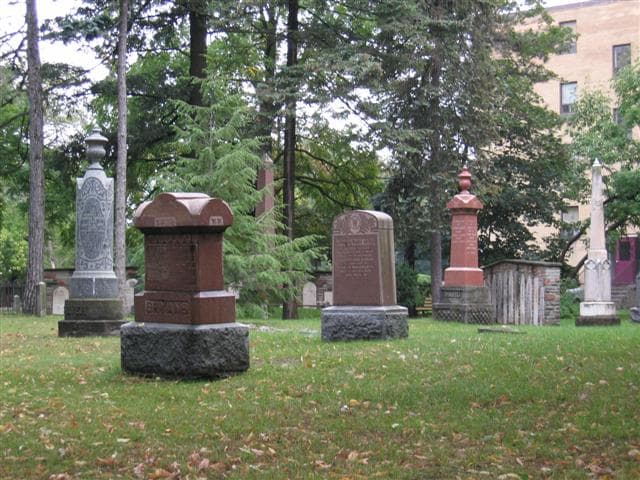
Islington Burying Grounds
Wander through one of Toronto's oldest and most storied burial grounds, where gravestones dating back to the early 1800s tell the quiet history of the city's earliest settlers and community builders. The Islington Burying Grounds carry a contemplative, almost garden-like atmosphere that makes for a surprisingly peaceful after-work detour. If you're drawn to local history, genealogy, or simply a moment of stillness amid the city's bustle, this tucked-away spot offers something genuinely rare.

The Power House Recreation Centre
Step inside a piece of Toronto's industrial past turned community gem. The Power House Recreation Centre — once a 1937 steam plant serving Lakeshore Psychiatric Hospital — now buzzes with summer programs, drop-in activities, and neighbourhood energy. Whether you're looking to move your body or simply explore a beautifully repurposed space along the lake, this lakeside rec centre offers a surprisingly rich after-work escape on the western waterfront.

Lambton Canadian Pacific Railway Bridge
Follow the Humber Recreational Trail and you'll stumble upon the Lambton CP Railway Bridge, a rugged iron structure with roots going back to the Credit Valley Railway of 1874. It's the kind of industrial landmark that stops cyclists and joggers in their tracks — quietly impressive against the river backdrop, and rich with layers of Toronto's rail history. Pack a snack, take your time, and let this underrated trail corridor do its thing.

Salmon Jumping Point
Head out to the East Don Trail each October for one of the city's most surprisingly dramatic natural spectacles — wild Chinook salmon muscling their way upstream past rocky fish passages built right into the river. It's equal parts serene and awe-inspiring, the kind of moment that makes you forget you're minutes from the highway. Bring a coffee, find a good vantage point, and let Toronto's wild side catch you off guard.

Rainbow Tunnel Mural
Slip off the main road and onto the East Don Trail to discover a piece of Toronto's unofficial public art history — a vivid rainbow mural originally painted in quiet tribute to a lost friend over four decades ago. The story behind it is as colourful as the artwork itself: a renegade act of love that's endured ever since. It's a beautiful, unexpected pause on any afternoon walk through the valley.

Mural Routes
Join Mural Routes for one of their year-round public art workshops and get hands-on with the craft that has shaped so many of Toronto's most beloved walls and laneways. Whether you're a seasoned painter or simply mural-curious, this is a welcoming space to learn, create, and connect with artists who are genuinely shaping the city's visual identity. A brilliant after-work reset for anyone craving something more tactile than a screen.

Moccasin Trail Park
Wander into Moccasin Trail Park for an easy, restorative end to your workday — winding paths lead you through a lush ravine forest and around a peaceful pond that feels worlds away from city noise. It's the kind of neighbourhood green space that locals quietly treasure, perfect for a slow loop or a moment of genuine stillness. Lace up and let the trees do the rest.

Bird Watching Point
Make your way to Milne Hollow along the East Don Trail and keep your eyes — and ears — open for the surprisingly rich birdlife that calls this valley corridor home. Part of Toronto's designated Bird Flyway network, the area has been thoughtfully planted with native trees and shrubs to welcome both migrating and resident species throughout the year. It's a genuinely calming after-work ritual that rewards a little patience and a curious eye.

Scarborough Chinese Baptist Church
Discover one of Toronto's most architecturally bold religious buildings — the Scarborough Chinese Baptist Church, designed by acclaimed firm Teeple Architects, is a sweeping, sculptural landmark worth seeking out. Its dramatic fluid roofline and expansive interior spaces, including a 1,600-seat sanctuary and community halls, make it a fascinating stop for architecture and culture lovers alike. Come for the design, stay for the sense of community that radiates from every corner.
Christie's Methodist Church
Tuck away a quiet moment at this tucked-in historic cemetery, the last remaining trace of Christie's Methodist Church, which stood on Warden Avenue from 1846 until its demolition around 1940. Nestled in a small park beside Bridlewood Mall, it's a surprisingly contemplative spot amid the bustle of everyday errands. For anyone drawn to local history and forgotten places, this little graveyard carries the kind of quiet story that makes Toronto's past feel remarkably close.

Etobicoke Field Study Centre
Explore the Etobicoke Field Studies Centre, a hands-on outdoor campus where environmental curiosity comes alive through immersive programming in ecology, wilderness skills, and nature literacy. Whether you're tagging along to reconnect with the natural world or scouting it for a group outing, the sprawling grounds offer a genuine escape from city noise. Think of it as Toronto's best-kept secret for grounding yourself in something green and real.

Milne House
Step back in time at one of Toronto's most quietly remarkable landmarks — a Gothic Revival farmhouse that survived while everything around it vanished. Built between 1860 and 1865, Milne House is the last trace of the once-bustling community of Milneford Mills, sitting tucked beside the Don Valley in a way that feels almost cinematic. Wander over after work for a meditative dose of local history without spending a dime.

Nature of Wilket Creek
Lace up and follow Wilket Creek on one of Toronto's most rewarding self-guided nature routes — it shifts from polished gardens to wild valley terrain before opening up into the broader West Don River landscape. Whether you're walking or cycling, the trail offers a genuine escape from the city grid without requiring a car or a plan. Best experienced on a long summer evening when the light hits the valley just right.

Toronto Botanical Garden
Wander through 17 meticulously designed themed gardens at the Toronto Botanical Garden — a genuinely world-class green space that most Torontonians don't visit nearly enough. Between the summer music series, organic farmers' market, and rotating garden tours, there's always something gentle and inspiring happening here after work. It's the kind of place that slows your heart rate the moment you walk through the gate.

Ancient Lake Iroquois
Wander the Wilket Creek Recreational Trail and let Toronto's deep geological past unfold beneath your feet — quite literally. Thousands of years ago, this entire landscape sat beneath the vast shoreline of Ancient Lake Iroquois, shaped by retreating glaciers and dramatic shifts in water and land. It's a free, open-air history lesson that reframes your whole understanding of the city you walk every day.

Enjoying The Scenery
Slow down and soak in one of the quieter natural corners Toronto has to offer along the Wilket Creek Trail. Towering sugar maples and ancient eastern hemlocks create a canopy that shifts beautifully with the seasons — and if you visit in spring, you'll be rewarded with a carpet of trilliums, Ontario's beloved provincial flower. It's the kind of effortless after-work reset that reminds you nature is never that far away.

Sunnybrook Park
Step into Sunnybrook Park and you're walking through over a century of Toronto history — from a private estate gifted to the city, to wartime transit grounds, to the beloved green expanse locals treasure today. The park's wide open fields, ravine trails, and riverside paths make it an ideal spot for an after-work run, a leisurely stroll, or simply finding a quiet bench to decompress. Few parks in the city carry this much character alongside this much breathing room.
West Don River
Follow the gentle flow of the West Don River as it winds its way through some of Toronto's most lush ravine landscapes, arriving here after a long journey south from the Oak Ridges Moraine. The trail alongside it connects you to a living corridor of green that threads through the city's natural backbone — perfect for a reflective evening walk or a post-work jog with real scenery. There's something quietly grounding about tracing a river that has shaped this land for millennia.

Edwards Gardens
Escape the after-work buzz with a meandering walk through Edwards Gardens, where heritage rose beds, wildflower meadows, and a rocky valley carved by Wilket Creek make every turn feel like a discovery. Photographers and plant lovers especially will find plenty to linger over, from the formal floral displays to the tucked-away rock gardens and greenhouse. It's one of Toronto's most underrated green retreats — serene, beautiful, and completely free.

Supernova
Stand before Douglas Coupland's Supernova and let the sheer audacity of it sink in — mid-century model homes exploding outward from a clock tower, frozen mid-burst in striking sculptural form. It's a witty, thought-provoking nod to Don Mills' post-war ambitions as Canada's original planned community. A perfect quick cultural hit after work that rewards anyone curious enough to look up from their phone.
Heritage Toronto
Pull up Heritage Toronto's audio tour on your headphones and let the story of Don Mills unfold around you as you walk its streets. The freely available YouTube series transforms a seemingly ordinary neighbourhood into a layered urban history lesson, connecting mid-century planning ideals to the community you see today. It's the kind of thoughtful, low-key evening activity that leaves you feeling genuinely more connected to the city you live in.

Don Mills Library
Discover one of Toronto's most storied neighbourhood libraries, whose roots stretch back to 1855 — long before the building you see today ever existed. Spend a quiet after-work hour browsing the shelves, diving into local history exhibits, or simply unwinding in a welcoming community space. It's the kind of place that reminds you how much a great public library can anchor a neighbourhood.

Connections
Stroll past this striking outdoor mural and let the vibrant geometry stop you in your tracks. Created by Mural Routes in 2016, the piece weaves textile patterns from cultures around the world right into the contours of a retaining wall — a quietly powerful celebration of the diverse communities that call this corner of Toronto home. It's a perfect spontaneous detour on an evening walk.

David Duncan House
Step inside a beautifully preserved Gothic Revival farmhouse that dates back to around 1865, once home to David Duncan — a pioneering dairy farmer and Ontario's first Jersey cow breeder. Today the heritage property lives on as Duncan House Restaurant, where history and hospitality meet over a relaxed evening meal. It's a genuinely rare chance to dine inside a piece of the city's agricultural past.

Northern Dancer
Discover one of Toronto's most beloved public art installations at the corner of Sheppard and Don Mills, where sculptor Stephen Cruise immortalizes Northern Dancer — the legendary Canadian thoroughbred who captured the Kentucky Derby and became one of history's most influential racehorses. The bronze tribute is quietly magnificent, a fitting monument to a horse that put Canada on the global racing map. Perfect for a reflective evening stroll that doubles as an unexpected history lesson.

Fairview Library
Catch a live performance at Fairview Library's in-house theatre, one of only three performance spaces embedded within the Toronto Public Library system. Local theatre companies like Stage Centre Productions bring original and classic productions to this intimate community stage, making it a surprisingly vibrant spot for an after-work cultural fix. It's the kind of low-key, genuine Toronto experience that reminds you great art doesn't need a fancy address.

R.C. Harris Water Treatment Centre
Discover one of Toronto's most unexpectedly beautiful landmarks — a water treatment plant that doubles as an Art Deco masterpiece. The R.C. Harris facility along the eastern waterfront is the kind of place that makes you stop and stare, its grand architecture more reminiscent of a European palace than a piece of municipal infrastructure. Swing by at golden hour for a truly stunning view of the building against Lake Ontario.

before/after
Step into Don Mills Station and find yourself inside a work of art — Stephen Cruise's sweeping installation before/after transforms your commute into something genuinely contemplative. Drawing from the nearby Don River and Valley, the walls pulse with layered patterns evoking soil strata, ancient fossils, and flowing water, as if the station itself were an archaeological dig site unearthed mid-journey. It's the kind of public art that rewards a slow look, so give yourself permission to linger.

Ampersand
Pause at Leslie Station and let the walls speak — literally. Canadian artist Micah Lexier covered this subway stop with 17,000 hand-laid tiles, each bearing one of 3,400 unique handwriting samples gathered from the surrounding community back in 1997. Ampersand is a meditation on what connects us: individual voices woven together into something undeniably collective. It's a moving reminder that great public art lives in the everyday places most of us rush through without a second glance.

Kids Play
Swing by the Sheppard underpass at Old Leslie Street and let artist Bill Wrigley's joyful mural catch you off guard. Inspired by his own 1960s childhood — all leaping, swinging, and carefree movement — Wrigley created this Mural Routes commission as a visual nudge to anyone stuck in traffic, inviting a moment of genuine nostalgia amid the daily grind. It's playful, warm, and exactly the kind of unexpected street-level delight that makes wandering Toronto so worthwhile.

Passing
Pause your commute and look a little closer at the walls of Bessarion Station, where photographer and artist Sylvie Bélanger has layered decades of transit life into a single, quietly powerful piece. Through digitally composited portraits of real subway goers, Passing captures the beautiful cross-section of ages, cultures, and stories that move through this city every single day. It's the kind of public art that turns an ordinary Tuesday evening commute into something unexpectedly moving.

Elm Bank Community Centre and Massey Grove Park
Explore one of Toronto's most community-minded hubs, where creativity and connection go hand in hand. Elm Bank Community Centre offers a refreshingly broad mix of arts and fitness programming for all ages, with a standout sound studio where aspiring producers and musicians can get hands-on with music production. Whether you're looking to pick up a new skill or simply plug into your local community, this welcoming space makes it easy to show up and get inspired.

Bell Box Mural by Aisha Ali
Take a slow stroll down Wilmington Ave. and let artist Aisha Ali's painted utility box stop you in your tracks — a vibrant example of how Toronto's Bell Box Mural program quietly transforms the ordinary into something worth noticing. These small-scale public artworks are scattered across the city, each one a love letter to the neighbourhood it calls home. Free, unhurried, and genuinely lovely.

Bell Box Mural by Margaret Cresswell
Stumble upon a little burst of colour on your evening walk — this painted utility box on Wilmington Ave. is the work of local artist Margaret Cresswell, part of Toronto's beloved Bell Box Mural program that turns everyday street infrastructure into neighbourhood art. It's the kind of discovery that makes a routine commute feel a little more alive. Worth a pause, a photo, and a moment of appreciation for public art done right.

Bell Box Mural by Loren Yeung
Keep your eyes open on Maxwell St. for this charming Bell Box Mural by local artist Loren Yeung — one of many painted utility boxes that dot Toronto's streets as part of a citywide public art initiative. It's the kind of free, low-key cultural discovery that rewards the after-work wanderer who takes the scenic route home. No ticket required, no lineup, just good art in an unexpected place.
Bathurst-Wilson
Explore one of Toronto's most culturally layered intersections, where Little Manila meets a longstanding Jewish commercial strip. Wander along Bathurst and Wilson to discover Filipino bakeries, restaurants, and community hubs that tell the story of one of the city's most vibrant immigrant communities. It's a low-key, eye-opening after-work stroll that rewards the curious with great food finds and a genuine sense of neighbourhood character.

Ecoscope 1: No Plant is an Island (2017)
Seek out this striking mural tucked beneath the Humberwood Boulevard underpass on the West Humber Trail, where artist Kirsten McCrea brings endangered native plants and wildflowers to vivid, oversized life. Part of the Pan Am Path public art initiative, it pairs beautifully with its companion piece nearby to tell a quiet story about ecological fragility and local biodiversity. It's the kind of find that makes an evening walk feel like a little cultural adventure.

Mini Tour - Art Everywhere
Lace up and follow this self-guided mini tour through a neighbourhood transformed by local artists, one utility box at a time. Community Matters Toronto's Bell Box Mural Project has turned the streets around Sheppard and Bathurst into an open-air gallery that's completely free to explore. It's the perfect after-work wind-down — part art walk, part neighbourhood discovery, entirely worthwhile.

Bell Box Mural by Chris Perez
Seek out this street-level gem on Sheppard Avenue West, where artist Chris Perez has turned an ordinary Bell utility box into a small but striking work of public art. Part of a city-wide mural initiative, it's the kind of discovery that makes an everyday commute feel a little more alive. Snap a photo, take a moment, and let it remind you that creativity has a way of showing up in the most unexpected places.

Rainbow Piece
Wander over to Rainbow Piece, a vibrant outdoor work by Montreal-born artist and longtime York University professor Hugh LeRoy, whose career spans decades of celebrated painting, drawing, and sculpture. Rooted in his deep formal training and later honoured by the Royal Canadian Academy of Arts, LeRoy's piece brings warmth and colour to the campus landscape. It's the kind of freely accessible art encounter that quietly makes an after-work walk feel a little more meaningful.

Sticky Wicket
Discover the bold, balance-defying outdoor sculpture by American abstract expressionist Mark Di Suvero, installed where campus life hums around it. Sticky Wicket embodies Di Suvero's lifelong mission to bring large-scale sculpture into everyday public space, inviting passersby to pause and reconsider the world around them. A perfect low-key detour after work for anyone who loves stumbling onto unexpected art in the open air.

Bell Box Mural by Natasha Kudashkina
Make the trip to Finch and Bathurst to see a genuine piece of Toronto history — Natasha Kudashkina's mural holds the distinction of being the 100th Bell Box painted across the city. It's a milestone worth witnessing in person, a small but meaningful marker of how far this grassroots public art movement has come. Free, accessible, and quietly celebratory, it's the kind of spot that gives you a little extra appreciation for the city you live in.

Black Creek Community Farm
Head north and breathe easy at Black Creek Community Farm, Toronto's largest urban farm and one of its most soulful green spaces. Greeted by a vibrant mural at the entrance, the farm hums with life through the warmer months — think seasonal farmers' markets, community festivals, and the simple pleasure of watching things actually grow inside the city. It's an ideal after-work reset that connects you to community, local food, and a slower, more grounded pace.
Centre for Spanish Speaking Peoples
Step into the Centre for Spanish Speaking Peoples on Jane Street, a welcoming non-profit that has long served as a vital anchor for newcomers from Latin America and beyond. Whether you're looking to connect with community, access settlement resources, or simply explore the cultural programming on offer, there's a genuine warmth here that's hard to find elsewhere. It's a reminder that Toronto's richest institutions aren't always the ones with the flashiest addresses.
Rustic Bakery
Wind down after work with a scoop of handmade gelato or a slice of something sweet at this beloved family-run Italian bakery, quietly going strong for over 30 years. Tucked into a residential pocket of the city, Rustic Bakery has the kind of neighbourhood-gem energy that feels like a genuine local secret. Their red velvet cupcakes alone are worth the detour.

Presence
Seek out this commanding sculpture by celebrated Québécois artist Armand Vaillancourt, whose monumental works carry decades of political weight and raw creative energy. Tucked on the grounds of Stedman Lecture Halls, Presence invites you to slow down and sit with something bigger than the workday you just left behind. It's the kind of unexpected encounter with public art that reminds you why cities are worth exploring on foot.

Strolling the Queen Street Stretch
Lace up and head east along one of Toronto's most storied stretches of pavement, tracing the working-class roots of Riverside and Leslieville as you go. This self-guided walk along Queen Street East rewards you with heritage architecture, independent shops, and the kind of neighbourhood character that newer developments rarely manage to replicate. Whether you cover the whole route or just meander a few blocks, it's the perfect way to decompress and rediscover the city after work.

Don Station
Step back into Toronto's railway past at the historic site of Don Station, once a busy Canadian Pacific Railway stop connecting the city to Ottawa and Montreal. Standing at the edge of Queen and King East, you can almost hear the echo of steam engines that shaped this corner of the east end for decades. It's a quiet but surprisingly rich stop for anyone curious about the layers of history hiding in plain sight across the city.

Queen Street Viaduct
Stroll across one of Toronto's rare steel truss bridges and discover a thought-provoking public art installation woven into its structure. Eldon Garnet's 'Time: And A Clock' transforms the historic 1911 Queen Street Viaduct into an open-air gallery, layering meaning onto a crossing that once reshaped the city's east end. It's the kind of quiet urban discovery that makes you see a familiar commute route with entirely fresh eyes.

Al Runt Mural (2016)
Seek out Al Runt's signature neon creatures lighting up a wall on Gerrard Street East — a burst of whimsy from one of Toronto's most recognizable street artists. Known for his playful, otherworldly characters that seem to hum with electric life, Runt brings the same irreverent charm here that made his Lee's Palace mural a city icon. It's the kind of spontaneous street-level delight that makes an after-work walk genuinely memorable.

Bricks and Wagons Mural (2012)
Wander over to Gerrard Street East and take in a community-born mural that turned a blank wall into a canvas for neighbourhood pride. Born from a local initiative to reclaim public space through art, the Bricks and Wagons mural is a testament to what happens when a community channels creativity over frustration. It's a small but quietly powerful stop on any east-end street art tour.

Gerrard Art Project Mural (2012)
Stretch your legs along Gerrard Street East and take in one of the neighbourhood's most ambitious public art installations — a full block-spanning mural that honours the South Asian roots of the local business community. Intricate Islamic calligraphy flows alongside henna-inspired motifs in a sweeping celebration of heritage and craft. It's the kind of mural you can walk slowly past multiple times and still notice something new.

Augmented Representations: The North Etobicoke Mural Project (2019)
Stroll along Finch Avenue West to take in the bold, community-made murals of Augmented Representations, a landmark public art project born from collaboration between local artists, womxn-led collectives, and arts organizations across the city. The result is a vibrant corridor of colour and storytelling that reflects the voices and visions of north Etobicoke residents. It's an outdoor gallery that rewards a slow, attentive walk.
Rexdale Plaza
Explore the roots of one of Toronto's most storied suburban developments at Rexdale Plaza, where mid-century ambition meets community history. Stroll the area and reflect on how developer Rex Heslop shaped an entire neighbourhood — homes, industry, and all — from the ground up in the postwar boom. It's a quietly fascinating slice of the city's growth story, perfect for the curious urbanist who likes their after-work walk with a side of context.

Dr. Flea's Flea Market
Lose yourself in the glorious, chaotic joy of Dr. Flea's — Toronto's largest indoor-outdoor flea market and an institution that's been drawing deal-hunters and curious browsers for over 30 years. With more than 10,000 visitors rolling through each weekend, the energy is electric: think independent vendors, international food stalls, and the very real possibility of finding something you didn't know you needed. Free to browse and endlessly entertaining, it's a weekend ritual worth making your own.

Pine Point Park Banquet Hall
Wander out to Pine Point Park to find one of Toronto's most quietly beautiful heritage buildings — a 1936 Tudor revival banquet hall built with actual Humber River stone, perched overlooking the lush Humber River Valley. Once a golf and country club, the grounds carry that old-world elegance that makes you feel like you've stumbled into another era entirely. It's a perfect after-work escape when you need greenery, history, and a breath of fresh air.

Humber Centre for Urban Ecology
Explore the Humber Centre for Urban Ecology, a thoughtfully designed educational space that invites you to slow down and reconnect with the natural world around you. The building itself is an architectural conversation with the environment, oriented precisely along the four cardinal directions. Wander through its interactive displays after work and leave with a sharper sense of the ecosystems quietly thriving just beyond the city's edges.

Etobicoke Land Grants
Uncover the agricultural roots of north Etobicoke through this quietly compelling piece of local history, where the story of Toronto's land begins long before the condos and commuter routes arrived. Dating back to land grants issued in 1799, the area was shaped by settlers and farmers for well over a century before urban development transformed it. It's a grounding after-work pause that puts the city's rapid growth into perspective and reminds you just how recently Toronto was farmland.

Humber College North Campus
Visit Humber College's North Campus, a place with more history than its modern facilities might suggest — rooted in a 1960s government vision to build a more skilled Ontario. Founded on former farmland in 1968, the campus has grown into a vibrant hub of learning and community that's worth exploring even if you're long past your student days. Stroll the grounds after work and soak in the energy of a place that's been shaping careers and neighbourhoods for over half a century.

Elihu Pease House
Step back into 19th-century Toronto at the Elihu Pease House, one of the city's quietly fascinating historic landmarks. Built in 1834, this heritage gem tells the story of early Willowdale through the life of a tanner whose roots shaped the neighbourhood. Wander by after work for a grounding moment of local history that most Torontonians walk past without a second glance — it's the kind of discovery that makes the city feel layered and alive.

Indicators - A Photography Exhibition by Benjamin Gibson - Part of CONTACT Photography Festival 2026
Step into a raw, sky-high gallery space on the 22nd floor of 180 Dundas for one of the most visually arresting shows in this year's CONTACT Photography Festival. Benjamin Gibson's large-format series traces the slow, dramatic transformation of Canada's glacial landscapes — epic in scale, quietly urgent in message. The combination of sweeping city views and glacier imagery creates a surprisingly meditative afternoon escape right in the heart of downtown.

Party Knockers and Friends
Kick off your evening with something beautifully unscripted at Comedy Bar, where Party Knockers and Friends brings a night of improvised mayhem to one of Toronto's favourite comedy rooms. The format is loose, the energy is electric, and the laughs tend to arrive from directions no one saw coming — which is exactly the point. At just fifteen bucks, it's one of the best-value ways to shake off the week and share some genuinely unhinged fun with the room.

NO $iGNAL LIVE AT SALTO
After six years away, NO $iGNAL is finally back on stage and doing it at SALTO, one of the city's most welcoming neighbourhood bars. Their last live show was just days before the world shut down, which makes this return feel like more than just a gig — it's a proper moment. Get there early, grab something from the bar, and welcome back a band that clearly has some energy to let loose.

Pinoy Fiesta & Trade Show sa Toronto
Celebrate Filipino Heritage Month in full colour at this vibrant two-day festival bringing together incredible food, live performances, and a buzzing marketplace of local vendors. The energy is infectious from the moment you arrive — games, giveaways, and a spread of authentic Filipino flavours around every corner. Don't miss the ceremonial unfurling of one of the largest Philippine flags you're likely to ever witness; it's a genuine crowd moment worth showing up for.

Enter the Ritual
Step into Enter the Ritual, a monthly LGBTQIA+-led house music gathering where astrology, community, and movement come together in a genuinely welcoming space. This month's celebration honours Aries season with free entry and a dancefloor that invites everyone to show up as they are. Think less nightclub, more collective ritual — the kind of night that feels meaningful long after the music fades.

World Conference on Infectious Diseases
This listing appears to be for an international academic conference taking place in Tokyo, Japan — not a local Toronto after-work activity. It falls outside the scope of AfterWComes' Toronto-based discovery platform and may have been submitted in error. We'd recommend reaching out to the organizers directly for registration and travel details if this event is relevant to your field.

Bailey TEMPR INTABEATS
Lose yourself in a proper drum and bass night as UK legend Bailey takes over Wiggle Room for a two-hour set that'll rattle your chest and move your feet until 5am. TEMPR and INTABEATS have assembled a serious lineup — SUBSTRAAT SOUND's massive rig, live DJs, and sharp MCs to keep the energy locked in all night. If you love bass-forward sounds and rooms that feel alive, this is your Thursday.

material disobedience
Step into a defiant celebration of craft at this immersive showcase tucked inside The Lost & Found Project Space on Queen East. Material Disobedience reclaims the rhinestone, the bead, the embroidered edge — materials long dismissed as excessive or frivolous — and puts them front and centre as serious artistic statements. Expect work that's visually lush, politically charged, and impossible to forget.

International Conference on Obesity, Metabolism and Weight Management 2026
Head to Paris — the other one — for this international health conference happening in November 2026. While it's a compelling global conversation around obesity and metabolic health, it's not a Toronto after-work event and sits outside the AfterWComes local listings scope. We'll flag relevant local health and wellness talks when they pop up closer to home.

Material science 2026
Skip this one if you're looking for a local Toronto hang — this international congress is taking place in Barcelona, Spain in August 2026 and isn't an after-work activity in the city. We're keeping it in the list for reference, but it falls outside the AfterWComes discovery zone. Check back for locally rooted science and learning events happening right here in Toronto.

Connection & Cocktails Singles Night Toronto
Ditch the apps and meet someone face-to-face at this laid-back singles night from Single in the City, hosted at the waterfront-adjacent Great Lakes Brewpub. Finger food, a DJ, and a no-pressure atmosphere set the tone for an evening that's more fun night out than awkward mixer. Whether you leave with a spark or just a great story, it beats another swipe session at home.

2026 Spring Baby Show
Explore everything new parenthood has to offer at this sprawling two-day showcase at the Enercare Centre. With over 200 local and national brands under one roof, it's the perfect place to test-drive strollers, discover nursery inspiration, and stock up on baby essentials before they arrive. Whether you're a first-time parent or adding to your crew, this is a genuinely useful — and surprisingly fun — way to spend a weekend afternoon.

Sneaky Dee's Gets Ugly
Channel your inner Coyote Ugly at Sneaky Dee's for a four-hour takeover that blurs the line between crowd and performance in the best possible way. Hot Honey Entertainment and Lightning Rod Entertainment are bringing high-energy bar-top vibes, cold beer, and a whole lot of whipped cream to one of Toronto's most beloved dive institutions. Come with your most fun friends and zero expectations — this one's going to be loud, messy, and completely worth it.

Forever Young - 80s Dance Party - Celebrating 4 Years at The Vatican Gift Shop
Dust off your best retro look and head east for a full four-year anniversary blowout at Vatican Gift Shop, one of Toronto's most reliably fun neighbourhood party spots. Resident DJ Mista Jiggz and special guest DJ Riccachet are stacking the night with nothing but certified 80s bangers, with Husein Madhavji keeping the energy high all evening. Forever Young has earned its reputation — and this milestone edition is the perfect excuse to dance like it's 1985.

The Golden Era
Step back into the decade that gave us festival anthems and club-floor singalongs — The Golden Era night at Dopamine Lounge is a full-throttle celebration of 2010s hits, curated by DJs who know exactly how to keep a room moving until 2:30 AM. Expect the kind of nostalgic energy that feels both familiar and electric, with VIP bottles and booths available if you want to make a proper night of it. Two nights only, so lock in early.

Replay Story Fest
Settle in at the beloved Burdock Music Hall for Replay Story Fest, a 10-day celebration of the art of storytelling marking a full decade of Replay Storytelling in Toronto. Featuring over 60 storytellers, poets, musicians, and artists across 17 shows, the festival is warm, funny, surprising, and genuinely moving in equal measure. Open the festival with Taken By Surprise and let yourself get swept up in the kind of true, human stories that make you feel a little less alone on a Friday night.

TORONTO COIN EXPO - Canada's Coin Show
Wander into Canada's premier coin and banknote show and discover a surprisingly captivating world of collectible currency right in the heart of downtown Toronto. With 50-plus internationally recognized dealers on the floor, you can browse rare coins, appraise that old collection gathering dust at home, or simply geek out over centuries of monetary history. Whether you're a seasoned collector or just curious, this expo is a genuinely fun and unexpected after-work detour.

Plant Science 2026
Skip this one, Toronto — this international plant science congress is taking place in Rome, Italy in May 2026, not locally. If you're a researcher, botanist, or sustainability enthusiast dreaming of connecting with global experts on the future of our planet, it's worth bookmarking for a future adventure abroad. A niche but genuinely fascinating gathering for the scientifically curious.

ROOM OF KEYS: A new play by David James Brock featuring Adam Sherkin, actor-pianist
Step into an intimate theatrical world where music and memory intertwine in unexpected ways. Playwright David James Brock reimagines Bartók's haunting Bluebeard's Castle as a deeply personal story about fathers, sons, and the secrets held inside a forgotten music shop. With live performance by actor-pianist Adam Sherkin, this is the kind of small-stage, big-feeling experience that reminds you why Toronto's indie theatre scene is so worth showing up for.

Real Raw Poetry Showcase
Settle into one of Toronto's most soulful evenings out, where poets take the mic and R&B and hip-hop artists fill the room with something real. The Real Raw Poetry Showcase is less a traditional reading and more a full creative happening — think unfiltered verses, DJ sets from Jeff spinning between acts, and the kind of warm, connected crowd that makes you glad you didn't just go home after work. Bring a drink, an open mind, and maybe a few lines of your own.

12 Litres 8800 Steps
Step into Factory Theatre for a raw, deeply affecting new play that moves between memory, fantasy, and the quiet devastation of loving someone through addiction. Drawing inspiration from equine therapy, 12 Litres 8800 Steps traces the tender, complicated bond between a woman and a horse as both navigate survival in their own ways. It's the kind of theatre that stays with you long after you leave — challenging, poetic, and genuinely unmissable for anyone who believes in the power of live storytelling.