
🌿 Outdoors
Outdoors in High Park
45 after-work outdoors experiences in High Park, Toronto.

Raymore Bridge and Plaque
Walk out to Raymore Bridge and feel the weight of one of Toronto's most haunting historical moments — the night Hurricane Hazel tore through the Humber River Valley in 1954, taking homes and lives along with it. The current bridge, rebuilt in 1995, now anchors a peaceful stretch of the Humber River Recreational Trail, while Raymore Park stands as a quiet, moving memorial to those lost. It's equal parts serene green escape and deeply human story, tucked right into the city's western edge.

Down the Humber River
Head down to the Humber River near Edenbridge Drive for an after-work nature moment that doubles as a geology lesson. The exposed layers of sedimentary rock along the riverbanks are a 12,000-year-old record of glacial forces that literally carved out the Great Lakes and Toronto's ravine system. It's equal parts beautiful and humbling — the kind of spot that puts your Tuesday in serious perspective.

Humber River Recreational Trail and Humber River
Lace up and head out on the Humber River Recreational Trail, a scenic 8.2-kilometre route that traces one of Toronto's most historically significant waterways. You're walking in the footsteps of First Nations peoples who travelled this corridor for thousands of years — a fact that gives every step a quiet weight. Whether you're running, cycling, or just strolling after work, the river-side greenery makes it one of the city's most rewarding escapes from the concrete grid.

Edgehill House
Wander through a piece of Toronto's social history at Edgehill House, the beautifully preserved early-1900s estate once known as Red Gables. Built by Frederick and Margaret James, this former summer retreat was a beloved hub for garden parties and live music — and true to the couple's generous spirit, it's been open to the public ever since. It's the kind of quiet, storied corner of the city that makes you feel like you've stumbled onto something special.

Market Gardeners and Skating Rink
Lace up your skates and step into a slice of Toronto history at Tom Riley Park, where a beloved community rink sits on land once farmed by English market gardener Robert Tier in the 1870s. The valley's rich muck soil made this spot legendary for celery crops — now it's equally legendary for a good after-work skate. It's the kind of tucked-away west-end gem that rewards those willing to venture a little off the beaten path.

Lambton Canadian Pacific Railway Bridge
Follow the Humber Recreational Trail and you'll stumble upon the Lambton CP Railway Bridge, a rugged iron structure with roots going back to the Credit Valley Railway of 1874. It's the kind of industrial landmark that stops cyclists and joggers in their tracks — quietly impressive against the river backdrop, and rich with layers of Toronto's rail history. Pack a snack, take your time, and let this underrated trail corridor do its thing.

Elmcrest Creek
Wander along one of Toronto's quieter ravine corridors, where Elmcrest Creek winds through Bloordale Park and connects to the creative heart of Neilson Park. As a tributary of Etobicoke Creek, this lush greenway offers a genuine escape from city noise — shaded paths, natural scenery, and a sense of discovery around every bend. It's the kind of after-work trail that reminds you just how much wild green space is hiding within the city limits.

Centennial Park Conservatory
Escape into a lush indoor oasis at Centennial Park Conservatory, a sprawling 2,400-square-metre greenhouse that has been delighting Torontonians since 1970. Wander through distinct wings showcasing everything from native Ontario flora to vibrant tropical plants, and let the warm, humid air and riot of greenery genuinely reset your mood. Whether you're a devoted plant lover or simply need a beautiful, unhurried space to decompress, this hidden gem delivers every time.

Centennial Park and Pan Am BMX Centre
Escape the downtown grind at one of Toronto's most expansive green spaces, where 212 hectares of trails, open fields, and recreational facilities invite you to decompress after a long day. Catch local BMX riders throwing tricks at the Pan Am Centre, or simply wander the paths that once wound through a working dairy farm. Whether you're looking for a proper workout or a slow evening stroll, Centennial Park delivers that rare city exhale.
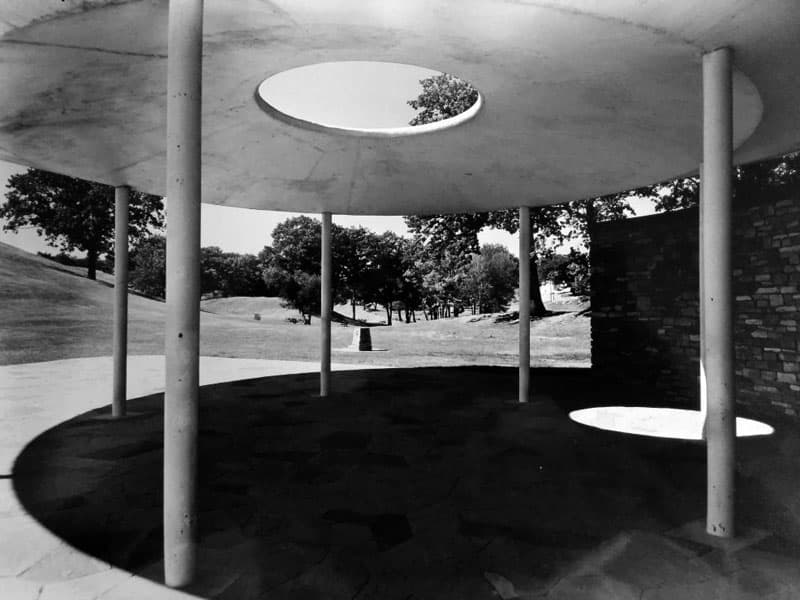
Oculus Pavilion & Space Age Influence
Wander down the Humber Recreational Trail to discover one of Toronto's most quietly fascinating architectural gems — the Oculus Pavilion. Built in 1958 and shaped like something straight out of a sci-fi film set, this flying-saucer-inspired concrete canopy is a love letter to the Space Age. It's the kind of spot that rewards curious explorers: bring a coffee, take in the surroundings, and appreciate a piece of mid-century vision that most Torontonians have never stumbled upon.

Old Mill
Step back into Toronto's earliest industrial roots with a stroll around the Old Mill area along the Humber River, where mills have shaped this landscape since the 1800s. The site tied to William Gamble's legacy has evolved into one of the city's most atmospheric riverside spots — think lush greenery, heritage architecture, and a genuinely storied sense of place. It's the perfect after-work wind-down for anyone who loves their nature walk with a side of history.

Lambton Woods
Step into Lambton Woods for one of Toronto's most peaceful after-work nature walks, tucked along the west bank of the Humber River. Towering mature trees, rustling wildlife, and an impressive bird population make this green corridor feel miles away from the city — even though you're absolutely not. Slow down, look up, and let this lush, historically rich patch of urban forest do its thing.

James Gardens
Wander through one of Toronto's most quietly stunning green spaces, where winding stone pathways curl past reflective ponds and canopies of mature trees. James Gardens is a dream after a long workday — whether you're snapping photos of the manicured grounds or continuing onto the Humber River trails for a longer explore. Named after the family who once called this estate home, it carries a sense of timeless calm that's genuinely hard to find in the city.

Humber River Dams
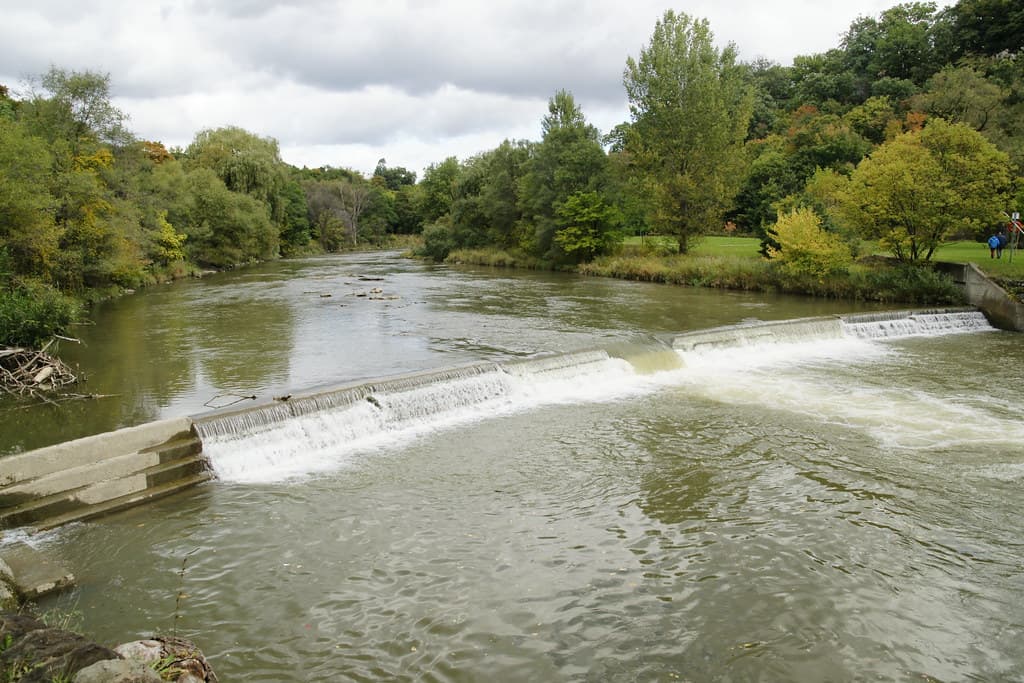
Head to the Humber River dams in spring and you might just catch the spectacular sight of steelhead trout and chinook salmon leaping upstream to spawn — a genuinely wild moment hiding inside the city. The dams serve double duty as flood control infrastructure and natural fish passages, supporting over 25 species in these urban waters. It's the kind of after-work detour that makes you forget you're a short drive from downtown Toronto.
Home Smith Park
Spend an evening in one of the Humber Valley's most quietly storied green spaces, named after the developer who shaped much of this riverside landscape in the early 1900s. Robert Home Smith's vision for the area — grand suburban estates and the beloved Old Mill Inn — left behind parkland that feels both elegant and deeply natural. It's the kind of place that rewards a slow, unhurried walk after a long day at the office.

The Shared Path
Wander Toronto's first historical park, where 13 Story Circles scattered along both banks of the Humber River bring centuries of layered history to life. The Shared Path weaves together Indigenous heritage, settler stories, and natural history in a format that feels more like a thoughtful stroll than a history lesson. It's a genuinely lovely after-work escape — part trail, part open-air museum, entirely worth your time.

The Bloor Street Bridge
Pause mid-trail to take in the Bloor Street Bridge, a striking 1924 Art Deco structure that arches gracefully over the Lower Humber Valley. One of the few bridges in the area to survive the fury of Hurricane Hazel, it carries a quiet resilience alongside its architectural elegance. Whether you're cycling or strolling the Humber Recreational Trail, this is one of those overlooked Toronto landmarks that deserves more than a passing glance.

Old Mill Bridge
Stroll out to the Old Mill Bridge for one of the most quietly romantic views in the city — the Humber River winding beneath a century-old stone span, complete with twin coats of arms marking the historic boundary between Etobicoke and York. Built in 1916, it carries a sense of old Toronto that feels rare and unhurried. It's the kind of spot you bring a friend to on a warm evening and somehow end up staying much longer than planned.
King's Mill Park
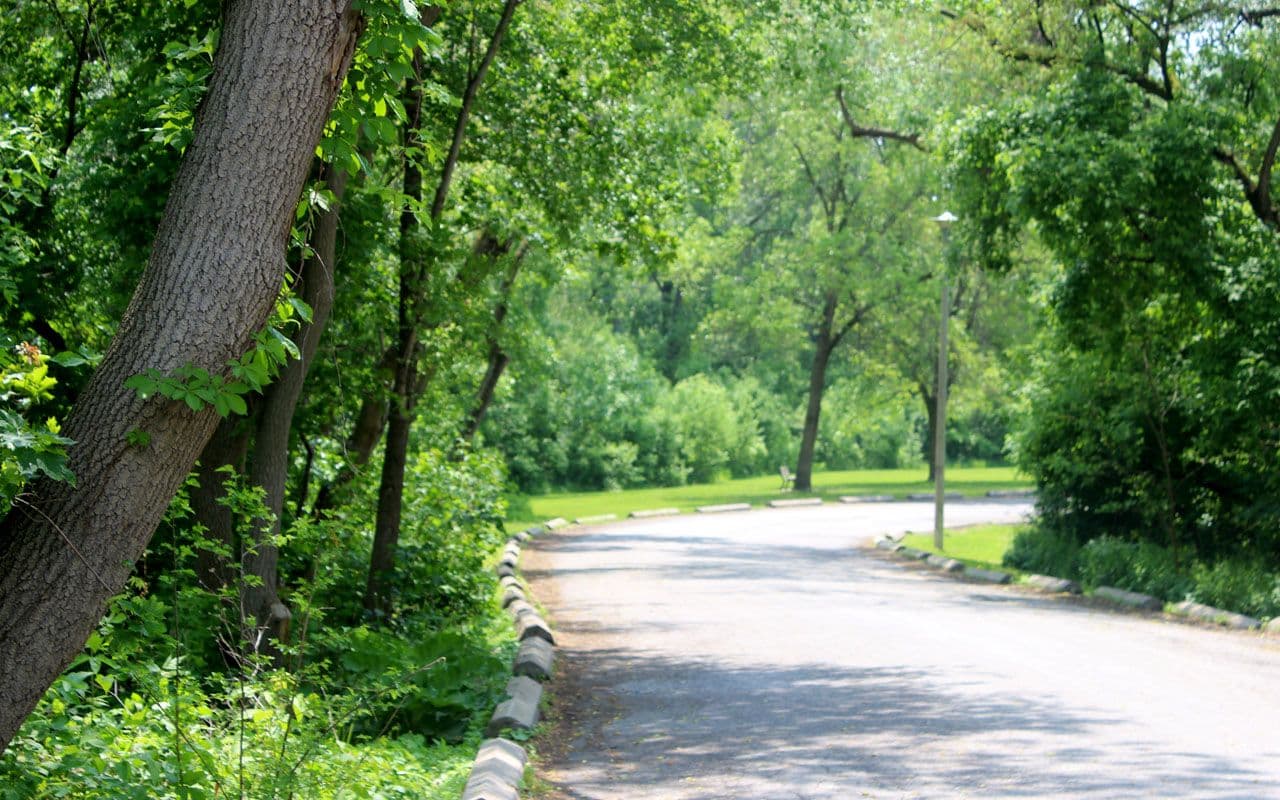
Explore King's Mill Park and step back to the very origins of Toronto, where one of the city's earliest sawmills once supplied timber for the construction of Fort York starting in 1793. Nestled on the west bank of the Humber River, this green space carries centuries of history beneath its tall trees and open riverbank. It's a grounding, unhurried escape from the workday — the kind of place that makes you genuinely proud to live in this city.

Humber River Pedestrian Bridge
Walk or cycle across the iconic Humber River Pedestrian Bridge, a graceful 200-tonne steel arch that has anchored the mouth of the Humber since 1996. The design pays quiet homage to the river's deep Indigenous history, making every crossing feel like more than just a commute. Whether you're winding down a run along the Humber Recreational Trail or simply chasing golden-hour views over the water, this landmark delivers one of Toronto's most scenic and soulful after-work escapes.

Black Creek
Follow Black Creek as it threads its way through the city's west end, offering a surprisingly serene escape along a waterway with deep geological roots stretching back 12,000 years. The trail corridor here gives you a rare chance to connect with one of the Humber watershed's key tributaries while enjoying some genuine greenery amid an otherwise urban landscape. It's an ideal after-work wind-down for anyone who finds calm walking alongside moving water.

Smythe Park
Unwind at Smythe Park, a west-end green space that carries a serious piece of Toronto sports history — named after Conn Smythe, the man who built the Maple Leafs into a dynasty and gave them their iconic name. Beyond the legacy, it's a genuinely lovely spot to decompress after work, whether you're tossing a frisbee, watching a pickup game, or simply sitting with a coffee as the evening cools down. Local, storied, and completely free.

Moccasin Identifier Project
Follow the moccasin stencils and let them guide you through layers of Indigenous history woven into Toronto's landscape. Led by Carolyn King — trailblazer, former chief of Mississaugas of the Credit First Nation, and the first woman elected to that role — the Moccasin Identifier Project marks places of deep cultural significance along the Humber Recreational Trail. It's a meditative, meaningful after-work walk that reframes the city beneath your feet.

The Carrying Place Trail
Lace up and follow one of Canada's oldest travel corridors along the Humber Recreational Trail, where centuries of Indigenous trade and French exploration have left their quiet mark on the landscape. The Carrying Place Trail predates the city itself, and walking even a stretch of it after work feels like trading the skyline for something much older and more grounding. It's a rare chance to move through living history while the river does all the talking.
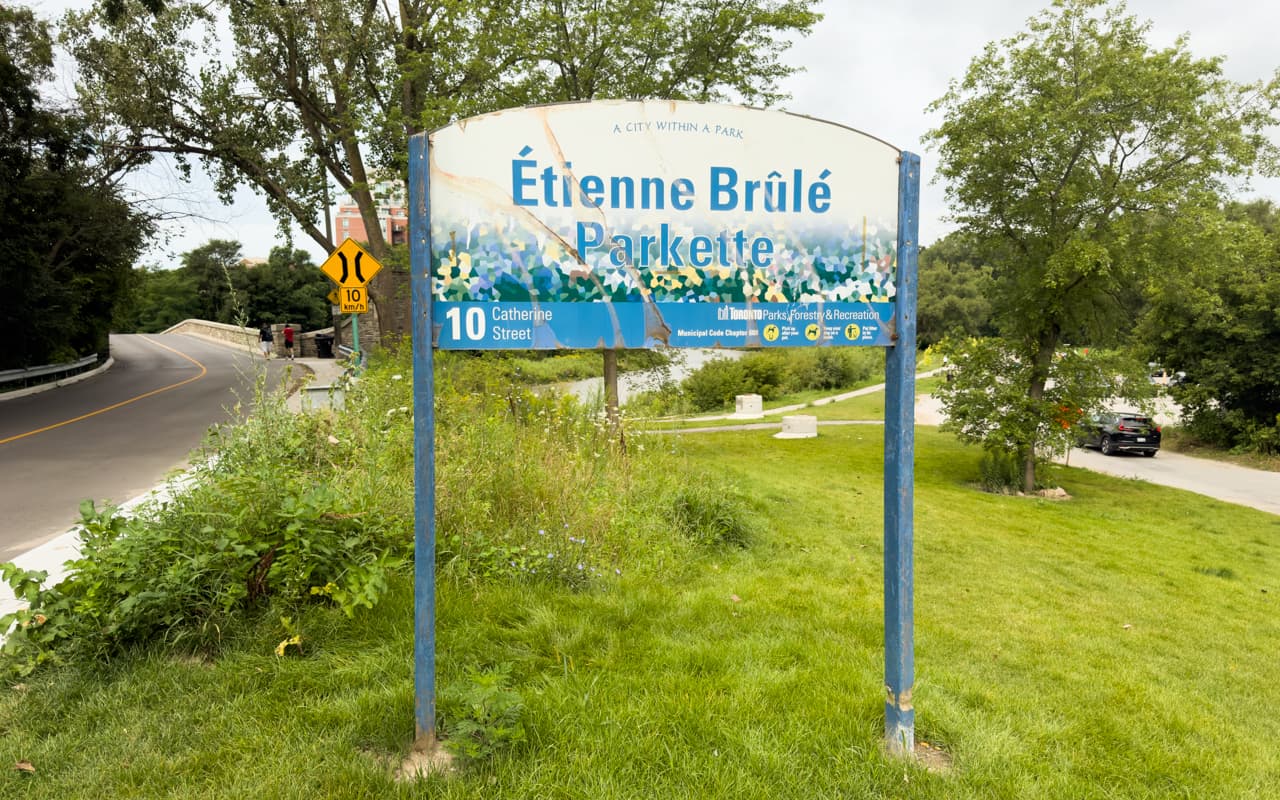
Etienne Brule Park
Discover Etienne Brulé Park, a peaceful green pocket along the Humber River named for the young French explorer who became one of the first Europeans to lay eyes on Lake Ontario back in 1615. The park sits in a lush ravine setting that feels remarkably removed from the city buzz, making it an ideal spot to unwind after a long day. Bring good shoes, a curious mind, and let the river trail do the rest.

Hurricane Hazel Plaque
Pause along the Humber Recreational Trail to take in the Hurricane Hazel plaque — a quiet but powerful reminder of the night in 1954 that forever changed how Toronto relates to its waterways. The trail itself is a lovely after-work route, winding beside the river with plenty of green space to decompress. It's equal parts moving history lesson and genuinely restorative urban escape.

Sheldon Lookout
Escape to one of Toronto's most rewarding sunset spots at Sheldon Lookout, tucked into the northeast corner of Humber Shores Park. Watch the city skyline glow as the day winds down, and discover the charming stone plaques that map exactly where the sun rises throughout the year. It's a quietly magical place to decompress after work — bring a friend, a coffee, and no particular agenda.

Anga's Farm and Nursery
Visit Anga's Farm and Nursery, one of the last working farms still operating within Toronto's city limits — a genuinely rare find in an increasingly dense urban landscape. With roots stretching back to the 1830s, the land has fed generations of local families and still buzzes with the rhythms of real agricultural life. Stroll through the greenhouses, browse fresh produce, and savour a slower, greener side of the city most Torontonians never get to see.

West Humber Recreational Trail
Lace up and explore the West Humber Recreational Trail — a scenic 19-kilometre paved path that winds along the West Humber River and strings together a beautiful series of parks and green spaces. Whether you're running, cycling, or just taking a long decompressing walk after work, the forested stretches and riverside views make it easy to forget the city is right there. A proper escape hiding in plain sight.
Rowntree Mills Park
Head out to Rowntree Mills Park for a genuinely restorative after-work escape along the Humber River, where history and nature meet in the best possible way. Named after settler and miller Joseph Rowntree, whose 19th-century mills once brought industry to the region, the park now offers lush trails, open green space, and peaceful riverbank scenery. It's the kind of place that slows your pace down the moment you arrive.

Len Braithwaite Park
Wind down your evening with a reflective visit to Len Braithwaite Park, a green space honouring a true trailblazer — Leonard Austin Braithwaite, the first Black Canadian elected to a provincial legislature. The park is a quiet, grounding place to decompress, and knowing the history behind its name gives the visit a meaningful depth that most city parks simply don't offer. Bring a book, bring a friend, or just bring yourself.
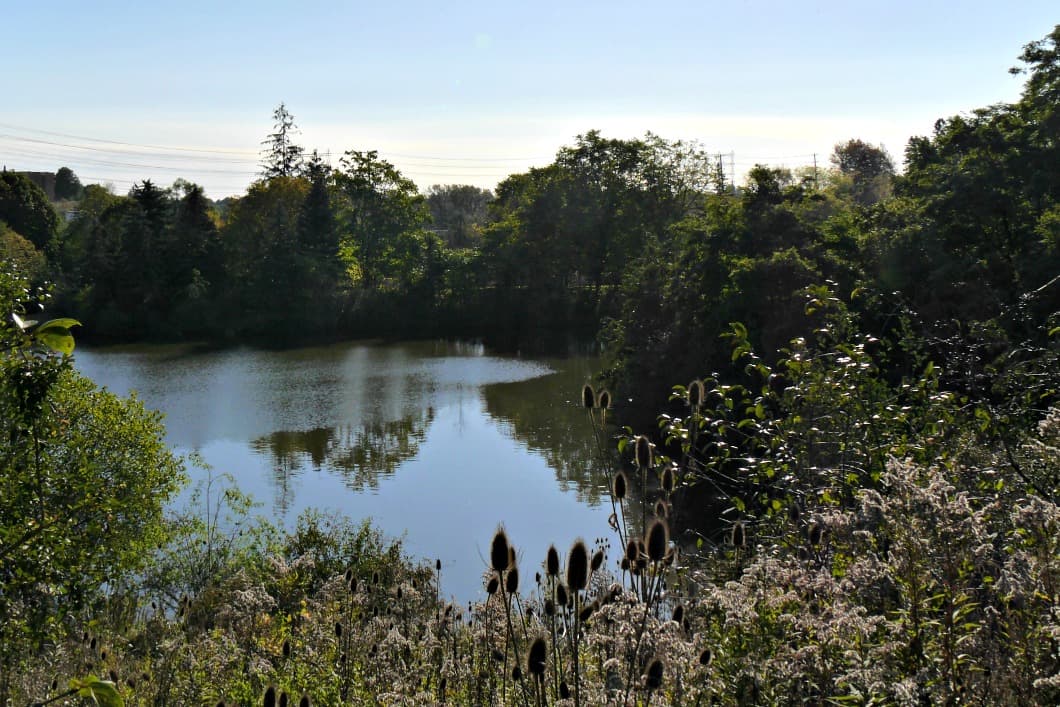
Humber Pond Revitalization
Head out to Humber Pond for an after-work nature reset that feels surprisingly far from the city grind. This revitalized urban pond serves as a living ecosystem — drawing in wildlife, supporting natural habitats, and offering a genuinely peaceful waterside atmosphere. Whether you loop the trail, watch the birds, or simply sit and breathe for a few minutes, it's one of those low-key spots that quietly becomes a favourite.

Humber Arboretum
Escape the office and lose yourself in one of Toronto's most underrated green sanctuaries. Spanning 100 hectares, the Humber Arboretum offers a breathtaking mix of manicured gardens, tranquil ponds, and untamed forest — home to over 1,700 plant species and plenty of wildlife. It's the kind of place that genuinely resets your nervous system after a long day, especially when the deciduous forest along the West Humber River turns golden at dusk.
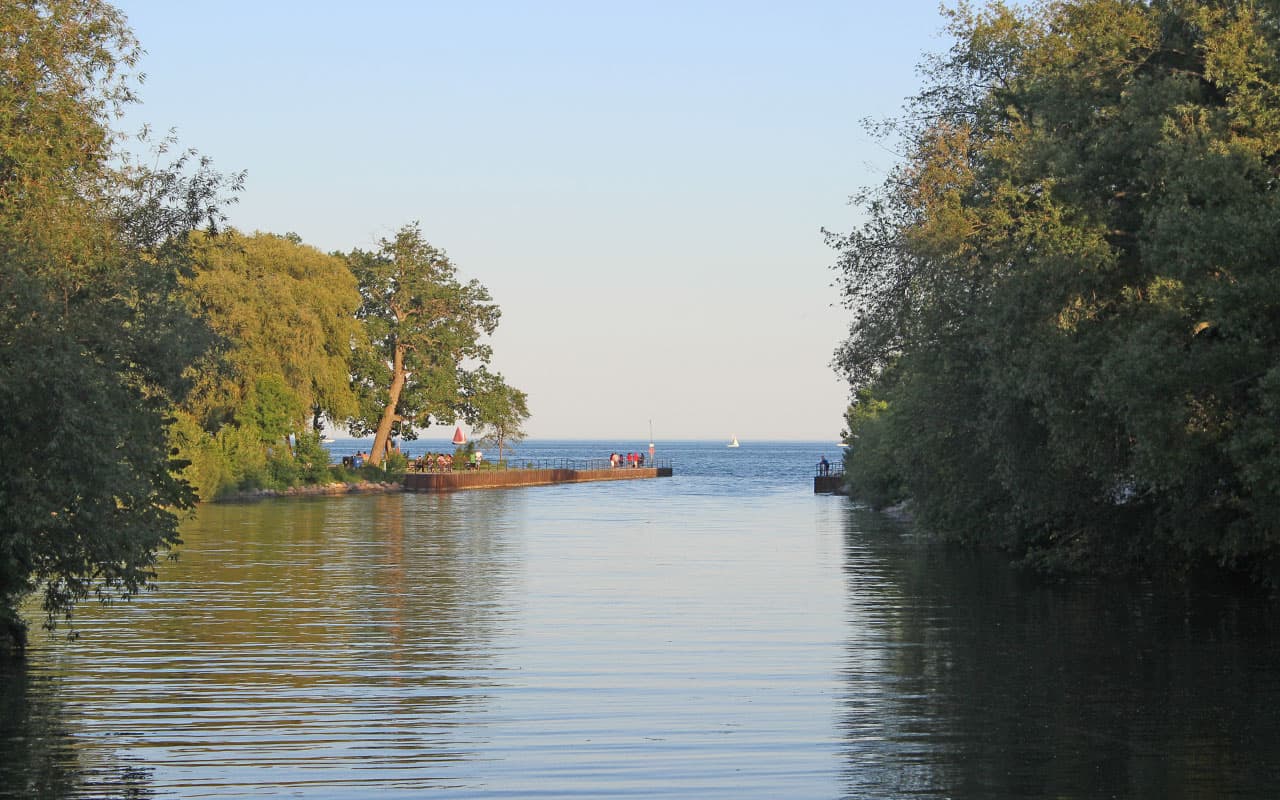
Etobicoke Creek & Marie Curtis Park
Escape the city buzz with a stroll through Marie Curtis Park, a green sanctuary born out of resilience and community spirit after Hurricane Hazel reshaped this stretch of lakeside land. Follow the gentle curves of Etobicoke Creek as it winds toward Lake Ontario, with plenty of shaded trails and open waterfront spots perfect for unwinding after work. It's the kind of easy, restorative outing that reminds you just how much breathing room Toronto actually has.
Eglinton Flats
Spread out across three connected green spaces near Jane and Eglinton, the Eglinton Flats make up Toronto's largest regional sports field complex — a genuinely impressive patch of open city land that tends to fly under the radar. Whether you're organizing a pickup soccer game, going for a long evening run, or simply looking for wide-open space to decompress after work, this is your spot. Bring a frisbee, round up some friends, and take full advantage of the rare luxury of room to breathe.

Naturescapes
Wander into E.T. Seton Park and discover Naturescapes, a playful public art installation where boldly painted wooden stumps double as seating scattered across the landscape. Born from Art Starts' Cultural Hotspot initiative, this piece blends youth mentorship with lasting community artistry, guided by the vision of artists Rob Matejka and Natasha Kudashkina. It's the kind of after-work detour that quietly reminds you how creative energy can transform even the most everyday outdoor space.
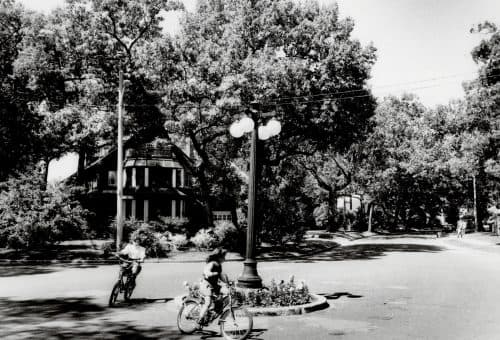
Baby Point Neighbourhood
Wander through one of Toronto's most storied residential enclaves, perched dramatically above the Humber River Valley. Baby Point carries centuries of history beneath its quiet, tree-lined streets — from the Indigenous village of Teiaiagon to a French trading fort built in 1720. It's the kind of neighbourhood walk that feels like a secret, rewarding curious explorers with gorgeous ravine views and a genuine sense of place.

Lambton Park
Escape the city grind at this tucked-away green gem where forested trails and sweeping tall grass meadows make it easy to forget you're still in Toronto. Wander paths that wind through one of the city's rare black oak savannahs — a genuinely unique ecosystem that the TRCA works hard to protect. It connects seamlessly with the Humber River Recreational Trail, so you can keep walking as long as the evening light allows.

Guelph Radial Line Bridge Tower Footings
Discover a quiet piece of transit history hiding in plain sight along the Humber Recreational Trail, where the stone tower footings of a long-lost electric railway bridge still stand after nearly a century. The Guelph Radial Line once carried passengers between Toronto and Guelph from 1917 to 1931 — today, only these evocative remnants remain, framed by the river and greenery. It's a curious, contemplative detour that rewards the historically curious after-work wanderer.

Humber River
Lace up and head out along one of Toronto's most storied natural corridors — the Humber River, a designated Canadian Heritage River that has anchored Indigenous life, trade, and culture for over 12,000 years. The recreational trail hugging its banks is a favourite for cyclists, joggers, and easy evening strollers alike, offering a genuine sense of escape with the city still close at hand. There's a quiet reverence to walking here, especially as the light drops and the water catches the evening sky.

Lambton Mills Bridge
Stroll along the Humber Recreational Trail and pause at this quietly fascinating piece of Toronto's early infrastructure history. The original stone abutments dating to around 1880 still stand as a testament to the city's first major river crossing, where Dundas Street once met the Humber. It's the kind of understated landmark that rewards curious walkers who love discovering the layered stories hiding in plain sight along the trail.
Shared Path/Humber Recreational Trail
Lace up and follow one of Toronto's most rewarding green corridors — the Humber River Recreational Trail winds its way from Lake Ontario all the way north, tracing a route that Indigenous travellers once used for centuries. Whether you're jogging, cycling, or just taking a long after-work exhale, the riverside scenery makes every kilometre feel earned. It's the kind of trail that reminds you how wild and wide this city can actually feel.

Humber Marshes Park
Escape into one of Toronto's most quietly remarkable natural corridors, where ancient marsh levee ponds have barely changed in over two thousand years. Humber Marshes Park is a genuine urban sanctuary — alive with migratory birds, spawning salmon, and a richness of plant life that feels worlds away from the city grid just steps behind you. Bring your binoculars or simply slow down and let the wetland do its thing.

Magwood Park (Magwood Sanctuary)
Slip away into Magwood Park's unexpected pocket of deciduous forest and wetland, tucked right inside the city and brimming with birdsong and native plantings. Community-led stewardship has transformed this sanctuary into a genuinely restorative green space, where you can decompress on a quiet trail while learning about the local ecosystem and the cultural heritage tied to this stretch of land. It's the kind of after-work exhale that reminds you Toronto still has wild, unhurried corners.

Pine Point Park Banquet Hall
Wander out to Pine Point Park to find one of Toronto's most quietly beautiful heritage buildings — a 1936 Tudor revival banquet hall built with actual Humber River stone, perched overlooking the lush Humber River Valley. Once a golf and country club, the grounds carry that old-world elegance that makes you feel like you've stumbled into another era entirely. It's a perfect after-work escape when you need greenery, history, and a breath of fresh air.